Category: Environment

Farmers in Laghman call for better management of Alishang and Alingar Rivers

Laghman is a province where most of its population earns their living through agriculture and natural resources. With its green mountains, natural forests, and flowing rivers, this province is considered one of Afghanistan’s most important agricultural and natural areas. Two major rivers in the province, Alishang and Alingar, are essential sources of life for the people.

Small cages, big hopes; a woman’s quail business in Farah

A woman in Farah province has launched a small quail-farming business in an effort to reduce her economic dependence and play an active role in supporting her family’s expenses. Najiba Naji says she started raising quails with a small investment in a limited space inside her home. 

Small loans; empowering farmers and livestock owners in Paktia

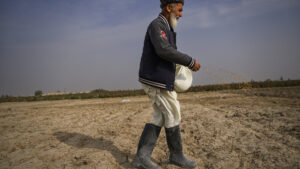
“We had a lot of land, but there was no water. We could only cultivate one plot, and the rest remained unused. When we received a loan from the EDF institute, we bought a solar system. Praise be to God, now we have enough water, I cultivate all my land, and I am earning a good profit.” he said.

Decline of pasturelands threatens seasonal livestock migration in Parwan

On the slopes of Parwan, where thousands of livestock traditionally begin their seasonal migration each spring, this year the routes were no shorter, yet pasturelands had declined significantly. Livestock owners who have followed specific migration patterns for years say the land has dried up, and some areas have completely lost their grazing capacity.

Check dams; a solution to fight drought in Nangarhar

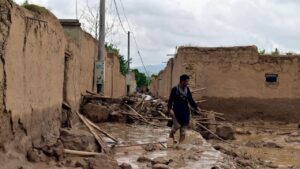
Officials at the Nangarhar Directorate of Agriculture, Irrigation, and Livestock say that in the 22 districts of province, several check dams have been constructed to feed water sources and deliver water to agricultural lands, with work ongoing on additional dams. According to the officials, these check dams are built to improve water management, prevent soil erosion, and reduce damages caused by floods—measures that ultimately help protect farmland from destruction.

Spread of “Mastitis” disease worries livestock farmers in Ghazni

Ghazni is one of the provinces where most residents are engaged in agriculture and livestock farming, and their livelihoods largely depend on these activities. The spread of animal diseases and their transmission among livestock in this province sometimes create serious challenges for farmers—challenges that, if not addressed in time, can lead to significant and irreversible economic losses.

Off-season farming in Laghman; a source of income and market stability

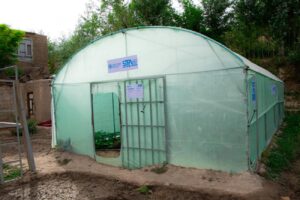
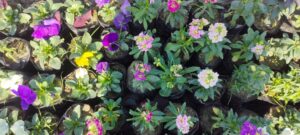
Laghman, one of the provinces that has achieved self-sufficiency in vegetable production, not only meets domestic demand but also exports its products to other provinces, including Kabul. Although vegetable production in the country decreases during winter, many farmers in this province use plastic-covered cultivation to bring vegetables to the market ahead of the season, which significantly helps stabilize prices.

Tagab pomegranate growers hope for a fruitful season after snowfall

“Snow and rain help get rid of pests and microbes on the trees for up to five years. They also prevent diseases like blight, which otherwise require spraying. In the past, when snowfall was enough, these problems didn’t happen. God willing, this year’s snow will have the same effect. Pomegranate trees also tend to give better yields after snowfall.” he explained.

Greenhousing in Herat; struggling with loans and storms

“This year in Shaidaei, the winds were very strong, and a storm destroyed our greenhouses. I didn’t have the money to rebuild, so I had to sell them. I ran a greenhouse for six years, and now I’m unemployed. I sell wood to pay for household expenses; I can’t build a new greenhouse,” he says.

Jujube forests in Laghman; a green step against climate change

Mohammad Rabbani, one of the workers involved in the project, says, “Establishing these forests will reduce the intensity of floods, as floodwaters will be controlled before reaching the village. It will also make the area greener and reduce air pollution. If these saplings bear fruit, beekeeping programs will also be strengthened.”