Category: ECONOMY

Practical skills; a key factor in job market success

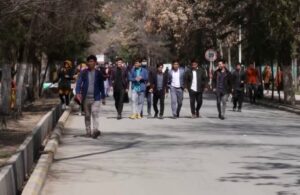
Findings by Salam Watandar from interviews with 30 youth—20 girls and 10 boys—show that having practical skills, in addition to academic qualifications, plays an important role in job selection. Youth who have learned practical skills such as computer use and English are more likely to be employed in related fields. In contrast, youth who lack practical skills are mostly engaged in jobs unrelated to their field of study.

Rising gold prices make marriage harder for youths

Findings by Salam Watandar from interviews with 15 couples on the verge of marriage in Afghanistan show that 11 couples have postponed their wedding ceremonies due to the unprecedented rise in gold prices. In some cases, this crisis has also led to separations and serious family tensions.

Japan and UNDP launch ‘RISE’ project in Afghanistan

The government of Japan, in partnership with the United Nations Development Programme (UNDP), has announced a new joint initiative titled “Resilient Income Solutions Empowering Alternative Livelihoods” (RISE) aimed at supporting vulnerable communities in Afghanistan.

From passion to opportunity; the growth of flower cultivation among youths

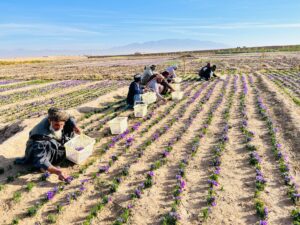
With the arrival of spring, the flower and plant market has taken on a fresh look, and youth working in this sector report increased sales during this season. Many of them turned to this profession because of their personal interest and the lack of job opportunities. By cultivating different kinds of ornamental plants, they not only beautify the environment but also create a source of income for themselves.

‘They told us to wait, but there is no aid’; widows’ right to access emergency assistance

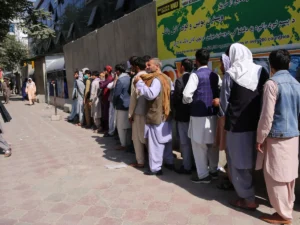
While Islamic Sharia and international documents emphasize the right of widows and women without guardians to access emergency financial assistance, evidence from Kunduz shows that many of these women are, in practice, deprived of this right. In the Holy Quran (Surah At-Tawbah, verse 60), the poor and needy are identified as rightful recipients of zakat, and in the Hadiths, caring for widows is described as equivalent to performing major social deeds.

Survey on women’s purchasing power in Afghanistan; the impact of unemployment on women’s purchasing ability

This survey, conducted with the participation of 1,045 women from 29 provinces of Afghanistan, provides a comprehensive and detailed picture of women’s purchasing power, savings capacity, sources of income, and their economic limitations. The findings indicate that women’s purchasing power—especially among unemployed women—has declined over the past three years, and the economic crisis has had profound impacts on households.

Small loans; empowering farmers and livestock owners in Paktia

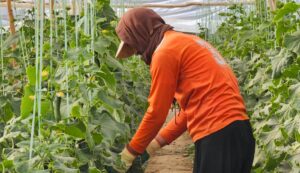
“We had a lot of land, but there was no water. We could only cultivate one plot, and the rest remained unused. When we received a loan from the EDF institute, we bought a solar system. Praise be to God, now we have enough water, I cultivate all my land, and I am earning a good profit.” he said.

Spread of “Mastitis” disease worries livestock farmers in Ghazni

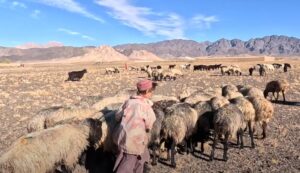
Ghazni is one of the provinces where most residents are engaged in agriculture and livestock farming, and their livelihoods largely depend on these activities. The spread of animal diseases and their transmission among livestock in this province sometimes create serious challenges for farmers—challenges that, if not addressed in time, can lead to significant and irreversible economic losses.