Recurring droughts in recent years, caused by climate change, have reduced the incomes of farmers and livestock farmers in Ghazni. Reduced rainfall, water scarcity, drought and natural disasters such as floods have placed significant economic pressure on them. Under these conditions, economic resilience and climate adaptation projects can help protect and improve people’s livelihoods.
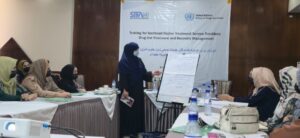
In recent years, the implementation of several projects in Ghazni has increased hope among farmers and livestock farmers. These projects include building greenhouses, setting up poultry farms, dairy production, tailoring programs for women, and conducting educational trainings. These projects are now ongoing in the provincial center and some districts.
Ghulam Hazrat, a farmer in Andar district, says, “I have an orchard that is drying up. I cannot afford to drill a well, and the water level has declined. If these projects are implemented, people’s economic problems will be reduced, as many are facing difficulties.”
Habibullah, a livestock farmer in Khwaja Omari District of Ghazni, says: “Now, in some areas near flood-prone rivers, retaining walls have been built. Some fruit types that were not resilient have been replaced. Greenhouse and poultry programs have also had a positive impact on the local economy. People are now satisfied with these services.”
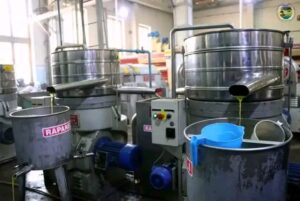
Nargis, a female livestock farmer who lost her income due to drought, is now working in a small dairy factory in the Haidarabad area of central Ghazni. She earns 5,000 Afghanis per month. She says,
“It has been a few months since we started working in this dairy factory. We produce yogurt, pickles, cheese, and butter. It helps us economically, and we are also learning new skills.”
Experts in agriculture and livestock emphasize that the implementation of these resilience projects are important for farmers and livestock farmers and they should continue in a sustainable way. Habibullah Faizi, a university lecturer and agricultural expert, says,
“Our opinion is that these projects should be stable; that means they should be sustainable and continue in all provinces, including Ghazni. The government should support farmers, traders should invest, and farmers should be interested in these resilience programs, since such projects strengthen agriculture and livestock and improve economic conditions.”
Mohammad Zakaria Hotak, Head of the Press at the Ghazni Department of Agriculture and livestock, says,
“Fortunately, in recent years, several projects in poultry farming, dairy production, greenhouses, and training have been launched. Many farmers and livestock farmers, including men and women, are involved. These projects are highly effective in improving the economy of people harmed by drought and climate change. We are working to expand these projects in the center and districts of Ghazni.”
It is worth noting that farmers and livestock farmers in Ghazni have consistently faced economic problems caused by climate change. Reduced rainfall, repeated droughts, water scarcity, and natural disasters have threatened people’s economic capacity and food security.
There is now growing hope as farmers turn toward modern methods and economic resilience projects—programs that, with the support of the government and partner organizations, create opportunities to reduce economic losses and enhance resilience to climate change.
Reporter: Turyalai Tabesh