Category: TOP NEWS

Widows’ inheritance rights; religious rulings vs. Family barriers

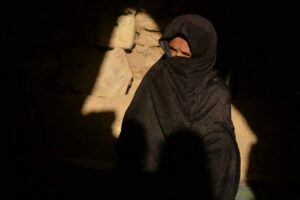
Sheikh Hibatullah Akhundzada, the leader of the Islamic Emirate, said in Article Five of a decree issued in 2021 that a woman has the right to a fixed share (Ashab-ul-Furud) and a residual share (Al-Asabat) of the inheritance of her deceased husband, children, father, and other relatives. No one can deprive her of this right.

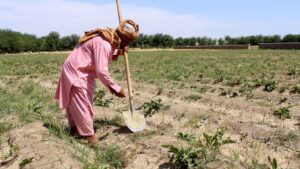
63 high-risk areas in Panjshir; a warning sign of climate change

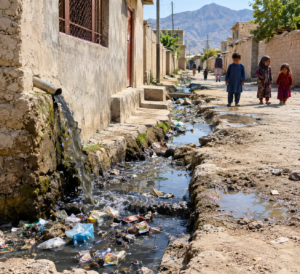
Panjshir, with its high mountains, deep valleys, and fast-flowing rivers, is known for its natural beauty but is also one of the most vulnerable provinces in Afghanistan to natural disasters. In recent years, some residents of the province have repeatedly complained of flash floods, rockfalls, landslides, and avalanches. In some cases, these events have seriously damaged farmland, bridges and culverts, water diversion structures, hydropower facilities, markets, and people’s homes.

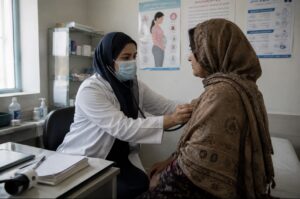
Breast Cancer Awareness Month; doctors urge early detection

October is observed every year around the world as Breast Cancer Awareness Month. It is an opportunity to raise awareness about the disease, learn about its risk factors and symptoms, and highlight the importance of early detection and timely treatment.

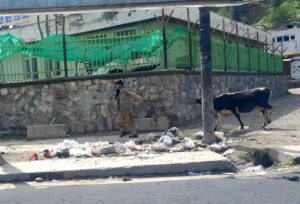
Residents of Faizabad concerned over poor waste management amid population growth

Faizabad, the capital of Badakhshan province, was once known as one of the relatively clean cities in the country. However, the city is now facing new environmental challenges due to accumulated garbage and poor waste management. Rapid population growth, urban expansion, and a lack of public awareness have put the city at serious risk. Meanwhile, concerns about pollution in the Kokcha River are also increasing.

Challenges with banking services in Afghanistan; youth prefer to keep their money at home

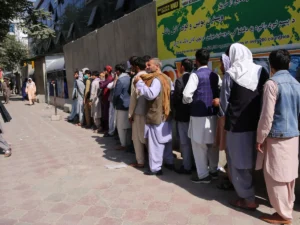
A number of youth in 10 provinces of Afghanistan say that despite having bank accounts, difficulties accessing cash when needed, problems with ATMs (Automated Teller Machines), and a lack of trust caused by previous unsuccessful experiences with the banking system have led them to prefer keeping their money at home. They say this increases the risk of theft and spending money too quickly, while also making it more difficult to save.