Category: Environment

“Qoroq”; a local solution for conserving vegetation in Ghor

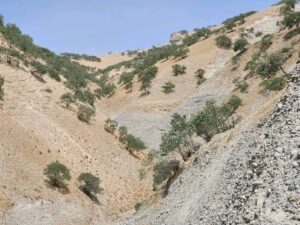
In the mountainous areas of Ghor, where climate change, increased seasonal floods, soil erosion, and declining water resources are posing serious challenges to people’s lives, residents in some parts of the province are using a simple approach to protect natural resources and reduce the damage caused by these problems. They are conserving lands (qoroq) covered with natural shrubs and preventing the destruction of vegetation to help restore nature and protect natural resources.

Floods in Nuristan raise questions about the role of forests

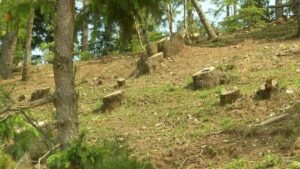
The recent devastating floods in Parun, the capital of Nuristan, have killed at least 25 people and injured 119 others, while damaging homes, markets, agricultural land, and irrigation infrastructure. Despite Nuristan having more than 231,000 hectares of natural forests, the disaster raises a question: To what extent can forests reduce the severity of sudden floods in mountainous areas?

650,000 cubic meters of gas a day; economic opportunity or environmental challenge?

As Afghanistan needs domestic energy sources more than ever to meet its energy needs, gas fields in Jawzjan produce about 650,000 cubic meters of natural gas each day. The gas helps meet part of the country’s electricity, fertilizer, and other energy needs. Officials say the gas is extracted in accordance with technical and environmental standards. However, experts warn that without close monitoring of water resources, soil, and pollutants, continued extraction could have serious environmental consequences.

Climate change and rising pests; challenges to almond crop growth in Samangan

In recent years, climate change has become one of the main challenges facing the horticultural sector in Samangan. According to officials and orchard owners, unexpected cold weather, early heatwaves, irregular rainfall, and the increasing prevalence of pests and plant diseases are among the main factors contributing to lower yields and substantial losses in almond orchards.

Wheat under the snow; farmers in Badakhshan’s Shiwa plain struggle with poor harvests

A number of farmers in Shiwa Plain, located in Arghanj Khwah district of Badakhshan province, say that early cold weather, irregular rainfall, and the short growing season have reduced their wheat harvests to an average of only about 75 kilograms per jerib, while agricultural experts say that wheat yields in Faizabad, Argo district, and some other areas of Badakhshan range from 350 to 500 kilograms per jerib. According to the experts, this significant difference has not only reduced household incomes but has also forced many farmers to rely on labor migration to cover their living expenses.

Farmers in Baghlan forced to rebuild their lives after every flood

Baghlan, one of Afghanistan’s leading agricultural provinces, is known for its fertile farmland and the heavy reliance of much of its population on agriculture and livestock farming. In recent years, however, climate change, irregular seasonal rainfall, and flash floods have caused severe and often irreparable losses for thousands of farmers across the province.

Row planting helps farmers cope with drought in Uruzgan

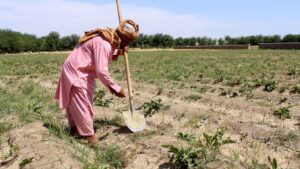
The importance of improved seeds and row planting for farmers in Uruzgan is not limited to higher production; it also helps them cope with climate change. In recent years, drought, declining rainfall, and water shortages have directly affected wheat yields, leaving many farmers facing economic hardship.