
Category: News Report

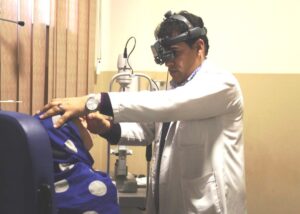
Cupping therapy; women’s experiences and doctors’ concerns about its risks

A number of women in different provinces of Afghanistan are turning to cupping therapy to treat various health problems, including acne, oily skin, muscle pain, back pain, and physical fatigue. They say cupping therapy has been effective in addressing their health problems and that they have noticed positive changes in their bodies after undergoing the procedure.
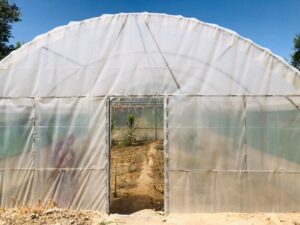

Water shortages force women to stop greenhouse farming in Jawzjan

For some women in Zer Chenar village in Jawzjan, growing cucumbers in greenhouses was more than just farming. It was an opportunity to work, earn an income, and help cover their families’ expenses. However, drought and water shortages have forced them to stop growing cucumbers, depriving these women of an important source of income.

The ‘Hamra’ app; four young men launch a platform to digitalize urban services

Four young men in Kabul have launched a digital platform called “Hamra,” with an initial investment of one million Afghanis. Designed to make it easier for citizens to access everyday services, the app brings together 12 different services on a single platform, including online taxi services, food delivery, shopping, doctor appointments, hotel bookings, and online payments. In addition to saving citizens time and money, the initiative aims to support small businesses and create job opportunities.

How has the agricultural calendar changed in Nangarhar?

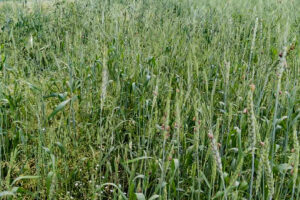
Rising temperatures, irregular rainfall, and water shortages have disrupted the traditional agricultural calendar in Nangarhar. Wheat is ripening earlier than usual, vegetables are being damaged before the harvest season, and some farmland has been left uncultivated due to water shortages. As a result, farmers are facing growing challenges, while experts emphasize the need for a climate-smart agricultural calendar aligned with the changing climatic conditions across the province.

Plant pests and low-quality pesticides; a threat to agricultural production in Parwan

For years, farmers in Parwan Province, Afghanistan, have been facing an increasingly serious threat to their crops, with the problem worsening each growing season. Farmers say that, in recent years, plant pests and diseases have damaged large areas of their vegetable fields and fruit orchards, while also increasing production costs. Despite repeatedly applying chemical pesticides, they often fail to control the pests. Plants and trees continue to dry out, grow slowly, and produce lower yields.

This year’s rainfall in Farah helps increase production of some crops

Farah, with its 11 districts, is one of the important agricultural provinces in western Afghanistan. However, differences in climate and declining water resources pose serious challenges for farmers in some parts of the province. This year, rainfall has been better than in previous years, helping increase the production of some crops. However, drought, sandstorms, and falling groundwater levels continue to threaten farmers’ livelihoods.