Mass returns, climate changes, and aid cuts push Afghanistan further into crisis
United Nations Development Programme (UNDP) has report that mass returns, climate changes, and aid cuts push Afghanistan further into crisis.

United Nations Development Programme (UNDP) has report that mass returns, climate changes, and aid cuts push Afghanistan further into crisis.

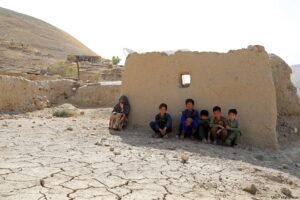
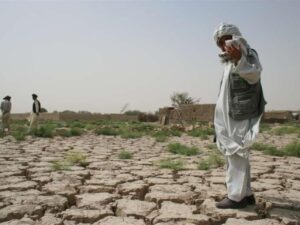
The United Nations says that climate change, economic hardship, and job losses, compounded by rising regional tensions, have driven up prices in Afghanistan and affected food security across the country.

Grafting and propagation through cuttings are considered important and effective methods in agriculture. In Laghman province, these methods are being used to produce improved and resilient saplings from fruit trees and other plants.

Although opium poppy cultivation has been completely banned by the leadership of the Islamic Emirate, a number of residents in Badakhshan have turned to cultivating the crop again this year. Some farmers say that the lack of suitable livelihood alternatives and limited employment opportunities have forced them to continue growing opium poppy.

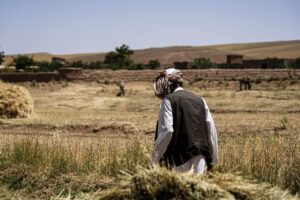
After several consecutive years of drought, this year’s widespread rainfall in Herat—particularly in the northern districts of the province—has brought renewed hope for increased harvests of grains and legumes. Officials from the Herat Directorate of Agriculture say that the condition of rainfed crops is relatively good, and that this year’s rainfall could mark a different season for agriculture and farmers.

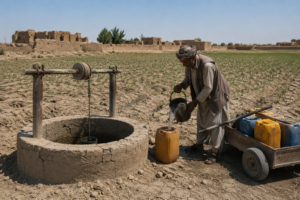
A number of farmers in Pul-e-Alam, the capital of Logar province, as well as in several districts, told Salam Watandar that both surface and groundwater levels have declined significantly compared to previous years.

United Nations Environment Programme (UNEP) reports that humanity produces around 2.1 billion tonnes of waste each year, while air pollution alone causes approximately 8 million premature deaths.

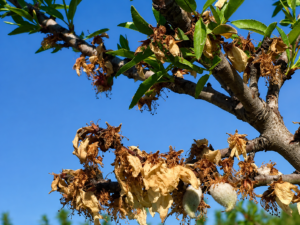
While many orchard owners in Daikundi were expecting a productive year, continuous snowfall and rainfall in the first month of the solar year (March–April) have damaged fruit tree blossoms before they could turn into fruit, turning farmers’ hopes into serious concern.

The UN, in a post on X on Wednesday (April 22), stated that “Earth is our one and only home” and emphasized that protecting the planet is a shared responsibility wherever people live.

Several farmers in Balkh province say that, in addition to recurring drought and water shortages driven by climate change in recent years, infestations of Moroccan locusts have emerged as a new threat to their agricultural crops.

In recent years, the implementation of several projects in Ghazni has increased hope among farmers and livestock farmers. These projects include building greenhouses, setting up poultry farms, dairy production, tailoring programs for women, and conducting educational trainings. These projects are now ongoing in the provincial center and some districts.

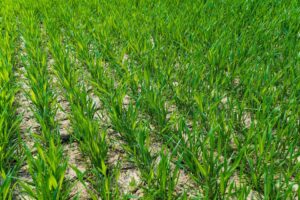
In several districts of Panjshir Province, about 15 jeribs of land have been set aside as demonstration plots for row planting of wheat. This initiative has been launched by the Department of Agriculture, Irrigation, and Livestock to promote improved farming methods and increase crop yields.