24 women in nine provinces of Afghanistan say that entering the job market has improved their families’ financial situations and reduced their dependence on their families. However, low incomes, a lack of suitable markets, limited experience, and a lack of facilities remain the main challenges on their path to achieving financial independence.
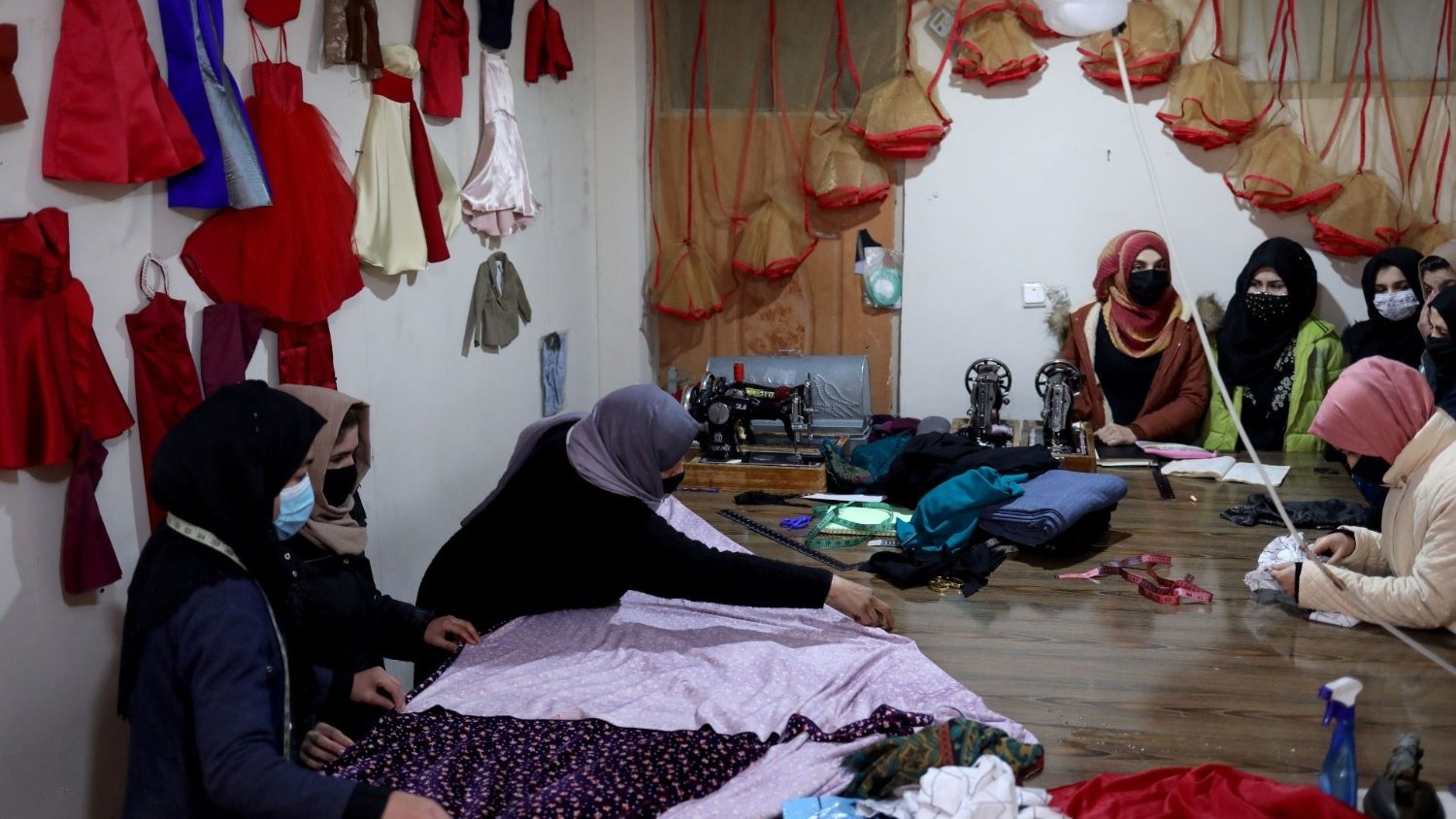
The women, aged between 20 and 40, work in tailoring, handicrafts, beadwork, carpet weaving, Cherma work, Salma work, and baking sweets. Among the 24 women, 13 hold bachelor’s degrees, 10 have completed grade 12, and one is a school student.
The findings of this report show that 14 women identified earning an income and achieving financial independence as their main motivations for starting economic activities. Six cited personal interest, three said they wanted to learn a skill, and one said she wanted to stay busy.
Employment helps women earn an income and reduce dependence
According to the findings of this report, eight women said that their families’ economic situations had improved after they started working. Seven had started earning a personal income, eight said their dependence on their families had reduced, and one woman said she had achieved financial independence after finding employment.
Shayesta, a 32-year-old from Nuristan who works in Salma work, says her interest in the craft encouraged her to learn the skill and earn an income from it.
“I was very interested in it. Before I started this work, I did not have an independent income, and my family covered most of my expenses. Now I use some of my income from Salma work to cover household expenses, which has reduced the financial pressure on my family to some extent. I can also earn an income from home,” she adds.
Asila Sadat, a 29-year-old from Kabul, says her main motivation was to use her skills and personal interests to establish a business, create employment opportunities, and empower other women.
“My main motivation was to use my skills and interests to start a business. In addition to generating income, I wanted to pave the ground for employment opportunities for women and empower them. Having my own income and an independent economic activity has given me greater self-confidence and strengthened my ability to make decisions,” she says.
Soraya, a 24-year-old from Kabul who works at the «Zewar Lal-e Badakhshan» workshop, says she has been working there for about four years. She says entering the job market has changed her personal and family situation and given her greater financial independence.
“Before the workshop, our lives were in a very bad and uncertain situation. But after I started working at the workshop, our financial situation changed significantly, and our lives improved. I save some of my income whenever I can. We have become more independent, and we have learned how to market our products and meet our customers’ needs,” she says.
Zafaran Amiri, a 30-year-old from Daikundi, also says that before establishing a tailoring workshop and producing Hazara-style clothing, her family did not have enough income. However, their financial situation has improved since she started her business.
“Before this workshop, our financial situation was not good. I had no work, I was unemployed at home, and I had no income. After I started my business, praise be to God, my work has been going well, and my income has improved,” she adds.
Saving money; a difficult but important step
Among the 24 women interviewed, 14 said they save part of their income. Seven said they cannot save because their incomes are too low, while three said they save to some money.
Oranos, a 26-year-old from Faryab, says she has been working for about a year. Before that, she depended on her family to cover her personal expenses. Now, she covers part of her own and her family’s expenses and hopes to save part of her income for the future.
“Before I started this work, I did not have my own income and depended mostly on my family to cover my personal expenses. After I started this job, I was able to cover part of my own and my family’s expenses. Our financial situation has improved to some extent, and I also plan to save money,” she adds.
Lina, a 29-year-old from Farah, says she has been working at a tailoring workshop for two years. Having her own income has reduced her dependence on others.
“Now I have my own money and do not depend on others for some of my needs. That’s why I feel more confident and independent. The biggest difference is that I used to depend more on others and had no income. Now I work, earn an income, and can help my family,” she says.
Limited experience and low incomes; major challenges for working women
The findings of this report show that a lack of experience was one of the main challenges women faced when starting their businesses. Thirteen of the women interviewed said they lacked sufficient experience when starting their businesses.
Hasina Hossaini, a 26-year-old from Herat who has been working in handicrafts for about two years, says she lacked experience when she first started.
“My main challenge at the beginning was my lack of experience. I was unfamiliar with the work environment and had no work experience. I tried to learn from others’ experience and adapt to the workplace,” she adds.
In another part of the findings, 15 women said they were satisfied with their incomes, seven were somewhat satisfied, and two were dissatisfied. Women who were dissatisfied or somewhat satisfied with their incomes primarily cited low earnings relative to their workload and the pressure of the job as reasons for their dissatisfaction.
Salma, a 26-year-old from Nangarhar, who has been working at a workshop for about a year and a half, says low wages, a shortage of work equipment, and the difficulty of balancing family responsibilities with work are among her main problems.
“One of our main problems is low wages. Work equipment is also not always available in sufficient quantities, and sometimes problems arise because of the working conditions. In addition, balancing family responsibilities with work can sometimes be difficult,” she says.
Based on the findings of this report, women’s challenges are not limited to entering the job market. Maintaining their businesses, increasing their incomes, accessing markets, the provision of facilities, and expanding their businesses are also major obstacles.
Experts: Women’s employment helps strengthen family economies
Economic experts and women’s rights activists, who emphasize the importance of women’s participation in business and economic activities, say that women’s employment can improve families’ economic situations and contribute to social development.
Abdul Nasir Rishtia, an economic expert, says women’s participation in economic activities is essential for the growth of society, and women working in businesses and workshops can play an important role in improving their family economies.
“Women who work in businesses and workshops can help their families. If facilities are provided for them, they receive long-term loans, and there is a market for the products they produce, their lives and those of their families will undoubtedly change,” he adds.
Shahla Arefi, a women’s rights activist, also says women’s employment is an important factor in the progress of families and society and that financial independence can strengthen women’s position in family decision-making.
“Women’s employment and economic activities are among the keys to the progress of society and families. Women’s employment is also one of the fundamental pillars of society and has a direct impact on families and communities. When a woman is financially independent, she can express her opinions and play a role in decision-making,” she adds.
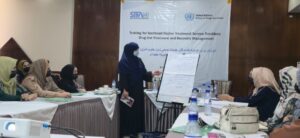
Fariba Noori, head of the administrative board of the Women’s Chamber of Commerce and Industries, says the organization holds training and support programs to empower women and strengthen their skills in handicrafts and other business activities.
“The Women’s Chamber of Commerce and Industries has always sought to organize programs for women in Kabul and the provinces for women’s empowerment, growth, and enhancing their capacity. These include capacity building, development programs, and workshops where women can receive professional and standard training. This includes learning how to run a shop, manage their businesses, and set goals and plans,” she adds.
Meanwhile, according to UNDP reports and programs in 2026, women’s economic participation is one of the important components of Afghanistan’s economic recovery. The organization has emphasized strengthening the private sector by improving small and medium-sized enterprises’ access to financial resources, developing skills, strengthening links with markets, and supporting women-led businesses.
Reporter: Liza Omari