Category: Investigative reports

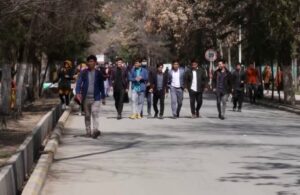
Shortage of facilities lowers learning quality, say students

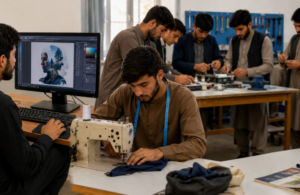
Salam Watandar’s interviews with 25 male students in grades 10 to 12 across five provinces of Afghanistan show that current teaching methods have not effectively met their learning needs. 18 of the interviewed students complained about the shortage of qualified teachers, while 11 reported a simultaneous shortage of modern educational tools and books.

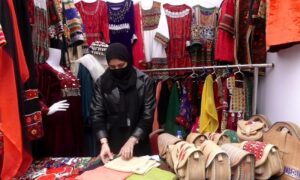
‘Eid is incomplete without Henna’; the tradition of applying Henna on Eid

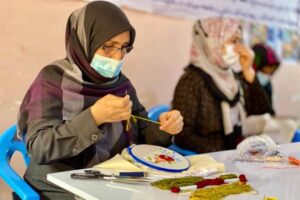
Eid al-Adha is one of the joyful Islamic occasions celebrated among people with happiness, solidarity, and family gatherings. During the days and nights of Eid, people prepare to create lasting and memorable moments in their lives. Among them are women who spend Eid nights baking cookies and ‘Roghan joshi’ before decorating their hands with Henna –a lasting tradition that still remains an essential part of the beauty and spirit of Eid in many Afghan households.

Working night shifts; challenges faced by female doctors

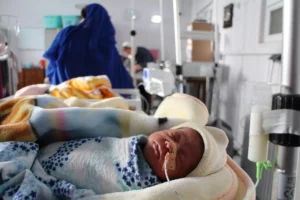
25 female doctors, who in addition to their official regular daytime duties also take turns working night shifts in hospitals, say that due to the shortage of medical staff in healthcare centers, they are compelled to endure heavy and continuous workloads. According to them, this situation has led to severe fatigue and psychological stress.

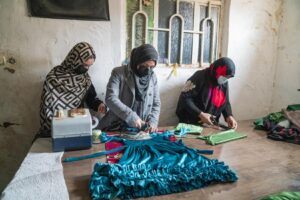
Unemployment; women under psychological pressure and economic dependence on men

Salam Watandar’s interviews with 20 women who had independent incomes before becoming unemployed show that, besides covering their personal needs, they also contributed to their families’ expenses. They say unemployment has now pushed all of them toward a shared fate: dependence — a situation the interviewed women describe as difficult and worrying.

Survey on artificial intelligence and Afghan youth

The survey on Artificial Intelligence and Afghan youth was conducted with 1,154 respondents across 32 provinces of Afghanistan. The findings indicate that artificial intelligence has become more deeply embedded in the daily lives of Afghan youth than expected.

Youth and AI; a favored technology with dual consequences

Today, artificial intelligence (AI) is no longer merely a scientific concept; it has become part of the daily lives of youth. From education and work to personal advice, this technology is gradually finding its place among Afghan youth as well. A survey by Salam Watandar, based on 1,154 young respondents (50.6% men and 49.4% women) across 32 provinces of Afghanistan, shows that 84.1% of youth have used artificial intelligence at least once in areas such as work, education, and personal life, while 92% of respondents are familiar with AI.