Category: Women

The story of girls who have become teachers for their siblings at home

A number of girls in Afghanistan, despite restrictions on continuing their education, share what they have learned with their siblings at home. Salam Watandar’s findings from interviews with 21 girls in eight provinces show that preserving their knowledge, continuing their learning, and helping family members are among their main reasons for teaching at home.

Chronic sleep deprivation; a threat to women’s health

Chronic sleep deprivation is a common sleep disorder characterized by difficulty falling asleep or staying asleep more than three nights a week for several months. It can cause chronic fatigue, reduced concentration and cognitive performance, a weakened immune system, and an increased risk of some mental health problems. Common causes include stress, disruptions to the sleep cycle, and poor sleep hygiene.

The right to visit children; a right that is not lost after divorce

After a couple separates, maintaining contact between parents and their children is an important family issue. Religious scholars and legal experts say that in such cases, the children’s well-being, upbringing, and best interests should be given special attention. They say families should provide opportunities for children to maintain contact with both parents, especially their mothers, within the framework of Sharia and legal principles.

The story of a woman who established a kindergarten in Badakhshan

An idea grew out of a need—an idea that today provides children with a safe place to learn and play while giving families new hope. In Badakhshan province, a young woman has established a private kindergarten, taking a step toward children’s education while also showing how initiative and small investments can help respond to the needs of society.

Lack of awareness; a reason for girls’ fear of their first period

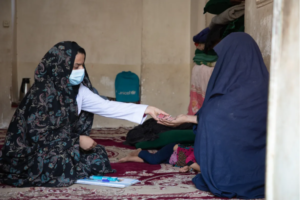
Specialist obstetricians and gynecologists, emphasizing that having a period is a natural part of girls’ growth, say that many girls experience their first period with fear and anxiety because of a lack of awareness and the existence of misconceptions in society. They say that providing timely information about the physical and emotional changes of puberty can help girls go through this stage with greater peace of mind.

Misconceptions about breastfeeding; hidden risks to infants’ health

A number of obstetricians and gynecologists say that improper breastfeeding practices and misconceptions about the diets of breastfeeding mothers can put infants’ health at risk. According to them, some families still hold beliefs about breastfeeding mothers’ diets, causing women to avoid eating foods that are beneficial to them or rely on traditional remedies to treat illnesses. In some cases, these issues can reduce the amount of breast milk mothers produce and lead to nutritional problems for infants.

A number of women in Sar-e-Pol say economic difficulties delay their treatment

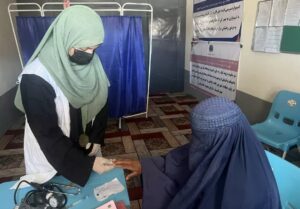
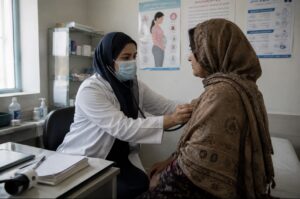
A number of women in Sar-e-Pol say that economic difficulties and certain family problems sometimes delay their visits to health centers and their treatment. Social and health experts emphasize that paying attention to the health of all family members and seeking timely medical care can help prevent illnesses from worsening and contribute to maintaining family health.

From a simple bottle to a vacuum cleaner; a 16-year-old girl’s innovation in Ghazni

In an old house with three mud-built rooms in the “Qala-e Shahada” area of the sixth district of Ghazni city, 16-year-old Mahdiya Qurbani lives with her seven-member family. She is the eldest child in her family and an eighth-grade student at a religious school. With a simple but creative idea, she has succeeded in building a practical vacuum cleaner.

Maternal mortality in Afghanistan; when poverty and limited healthcare access put mothers’ lives at risk

Postpartum bleeding, high blood pressure, and limited access to healthcare services are among the most important causes of maternal deaths in Afghanistan. This finding is based on interviews with the families of victims, doctors, international organizations, and the Ministry of Public Health. In this report, Salam Watandar interviewed 15 families, international organizations, doctors, and the Ministry of Public Health of the Islamic Emirate.

Women volunteers; the struggle to keep career dreams alive

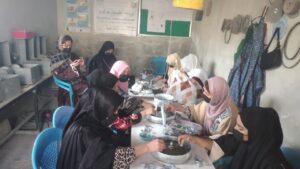
Findings from Salam Watandar’s interviews with 40 women volunteers across 11 provinces show that many women have turned to volunteer work due to limited employment opportunities, the need to gain work experience, maintain connections to their professions, develop their skills, pursue their interest in working, and serve their communities.

Women with disabilities; between religious rights and everyday challenges

Although Islamic jurisprudence and religious teachings emphasize the human dignity and rights of women with disabilities, the experiences shared by some of these women show that they continue to face challenges in various aspects of life, including education, employment, access to services, and, in some cases, inheritance-related issues. Religious scholars and legal experts say that expanding support services and raising awareness among families and the society could help improve their situation and create greater opportunities for them.