A number of pregnant women in Ghor say they have contracted malaria, which has raised their concerns about the possible risks the disease may pose to the health of their fetuses.
Shakila, a 32-year-old resident of Ghor who is in her fourth month of pregnancy, says contracting malaria has increased her fear of losing her fetus.
“I have contracted malaria. The doctor advised me to take my medicine regularly and get plenty of rest. I have a fever and chills most of the time. My body has become very weak, and I am always worried about my fetus’s condition,” she says.
Qand Gul, a 27-year-old resident of Firozkoh, the provincial capital of Ghor, and a mother of three children, says she contracted malaria several weeks ago and is now taking medicine.
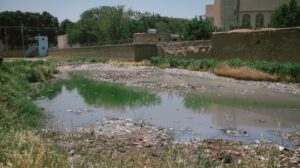
“There are many mosquitoes in places where water collects in our area, and perhaps that is why I became sick. I am now in my fifth month of pregnancy. The doctor gave me medicine and told me to rest and stay under observation. I feel very weak and have fever,” she adds.
Zahra, another 25-year-old resident of Ghor who is expecting her first child, says, “I contracted malaria in my sixth month of pregnancy. The doctor told me to take the disease seriously and take my medicine as prescribed. This illness has been very difficult for me. I always have headaches and a fever, and I cannot sleep well.”
Malaria is a disease transmitted to humans through the bite of the Anopheles mosquito. High fever, chills, headaches, weakness and vomiting are among its main symptoms.
Meanwhile, a number of doctors in Ghor say pregnant women are more vulnerable to malaria because of changes in their bodies and weakened immune systems.
Atiqullah Akbari, a doctor in Ghor, says that contracting malaria during pregnancy can cause anemia and weight loss and put the health of both the mother and fetus at risk.
“Malaria is a parasitic disease transmitted to humans through the bite of the Anopheles mosquito. Pregnant women are at greater risk. The disease can cause severe anemia, miscarriage, low birth weight, and even the death of the mother or fetus,” he adds.
Ali Ahmad Samadi, an obstetrics and gynecology specialist, says early diagnosis of malaria and proper care for pregnant women can help protect the mother’s health and prevent harm to the fetus.
“Malaria is diagnosed through a blood test and can occur at any stage of pregnancy. Treatment depends on the severity of the disease and is usually provided with specific medicines under a doctor’s supervision. The mother should remain under medical care until she fully recovers,” he says.
Using mosquito nets, keeping the environment clean, preventing stagnant water from collecting and seeking medical care on time can help reduce malaria infections, especially among pregnant women. Previously, the United Nations Development Programme (UNDP) announced that it would distribute 200,000 mosquito nets to pregnant women in Afghanistan this year to help prevent malaria.
Reporter: Mah Rokh Adel