An improper injection claims a woman’s life in Ghazni
Khalid Sarhadi, spokesperson for the Ghazni Police Command, says a woman has died in the province after receiving an improperly administered injection.

Khalid Sarhadi, spokesperson for the Ghazni Police Command, says a woman has died in the province after receiving an improperly administered injection.

They emphasize that changes in behavior, isolation, hopelessness, and talking about death or having no purpose in life are among the signs that should not be ignored. Family support and timely access to professional help can be effective in preventing suicide.
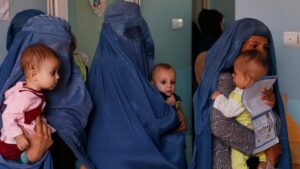
A number of women interviewed by Salam Watandar complain about the challenges they face when giving birth at home and in health centers. For this report, 10 women aged 20 to 48 from eight provinces, all of whom had given birth at home or in a hospital during the past year, were interviewed. The findings show that these women faced challenges such as the cost of childbirth and medicines, long distances and a lack of transportation, shortages of health workers and facilities, bleeding and severe pain during home births, as well as inappropriate treatment and inadequate facilities in hospitals.

Obstetricians and gynecologists say endometriosis is a disease in which tissue similar to the lining of the uterus grows outside the uterus. According to them, the disease can affect the ovaries and fallopian tubes, causing severe pain during periods, pelvic pain and, in some cases, infertility.
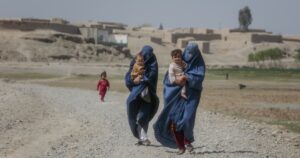
Long distances to health centers, economic problems, and shortages of female doctors, medicines, and medical equipment have created serious difficulties for women in rural areas in accessing healthcare services. According to statistics from the Ministry of Public Health, more than 4,000 health centers are operating and more than 35,000 health workers are currently working across Afghanistan.
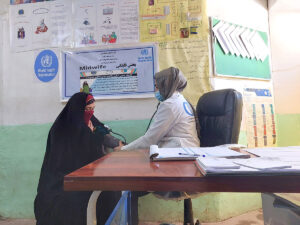
A number of pregnant women in Ghor say they have contracted malaria, which has raised their concerns about the possible risks the disease may pose to the health of their fetuses.

Chronic sleep deprivation is a common sleep disorder characterized by difficulty falling asleep or staying asleep more than three nights a week for several months. It can cause chronic fatigue, reduced concentration and cognitive performance, a weakened immune system, and an increased risk of some mental health problems. Common causes include stress, disruptions to the sleep cycle, and poor sleep hygiene.

A number of obstetricians and gynecologists say that improper breastfeeding practices and misconceptions about the diets of breastfeeding mothers can put infants’ health at risk. According to them, some families still hold beliefs about breastfeeding mothers’ diets, causing women to avoid eating foods that are beneficial to them or rely on traditional remedies to treat illnesses. In some cases, these issues can reduce the amount of breast milk mothers produce and lead to nutritional problems for infants.
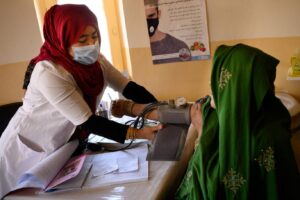
A number of women in Sar-e-Pol say that economic difficulties and certain family problems sometimes delay their visits to health centers and their treatment. Social and health experts emphasize that paying attention to the health of all family members and seeking timely medical care can help prevent illnesses from worsening and contribute to maintaining family health.
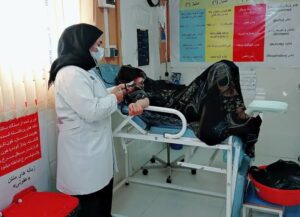
Postpartum bleeding, high blood pressure, and limited access to healthcare services are among the most important causes of maternal deaths in Afghanistan. This finding is based on interviews with the families of victims, doctors, international organizations, and the Ministry of Public Health. In this report, Salam Watandar interviewed 15 families, international organizations, doctors, and the Ministry of Public Health of the Islamic Emirate.

A number of medical specialists, pointing to the harmful effects of energy drinks, warn that their consumption poses serious health risks to individuals, particularly women and children.
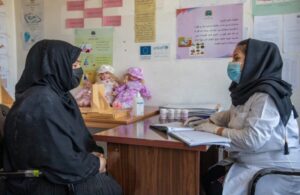
Obstetricians and Gynecologists in Daikundi warn that dehydration in mothers during pregnancy reduces blood flow and oxygen transfer to the fetus and increases the risk of miscarriage, premature birth, slowed fetal growth, urinary infections, severe constipation, and low blood pressure.