A number of women say their businesses started with a desire to earn an independent income and gradually became a way to support their families, grow personally and create job opportunities for other women.
For this report, 20 women who own businesses in 10 provinces were interviewed. Among them, eight work in tailoring, four in handicrafts, including beadwork, carpet weaving and needlework, three in food processing, three in both tailoring and handicrafts, and two in selling women’s and children’s clothing.
These women started their businesses with capital ranging from 4,000 to 150,000 Afghanis. In the interviews, eight said their desire was to become financially independent, six said they wanted to become financially independent and help support their families, four said they were interested in developing their personal and vocational skills, and two said a lack of job opportunities had encouraged them to start businesses.
Marwa Ahmadi, a 23-year-old resident of Balkh who cooks and sells homemade food, says she started her business on a small scale from home nearly two years ago because of her interest and skills in cooking.
“After I finished my studies and there were no opportunities to work outside the home, I wanted to start a small business. I wanted to earn an income alongside my housework and support my family financially,” she says.
Shekiba Mohammadi, a 25-year-old resident of Nuristan, says that two years ago, because of her personal interest, desire for financial independence and to help her family, she started a tailoring business at a cost of 5,000 Afghanis.
“I wanted to have a job that would provide me with an income and also help my family. It has been about two years since I started working in tailoring,” she adds.
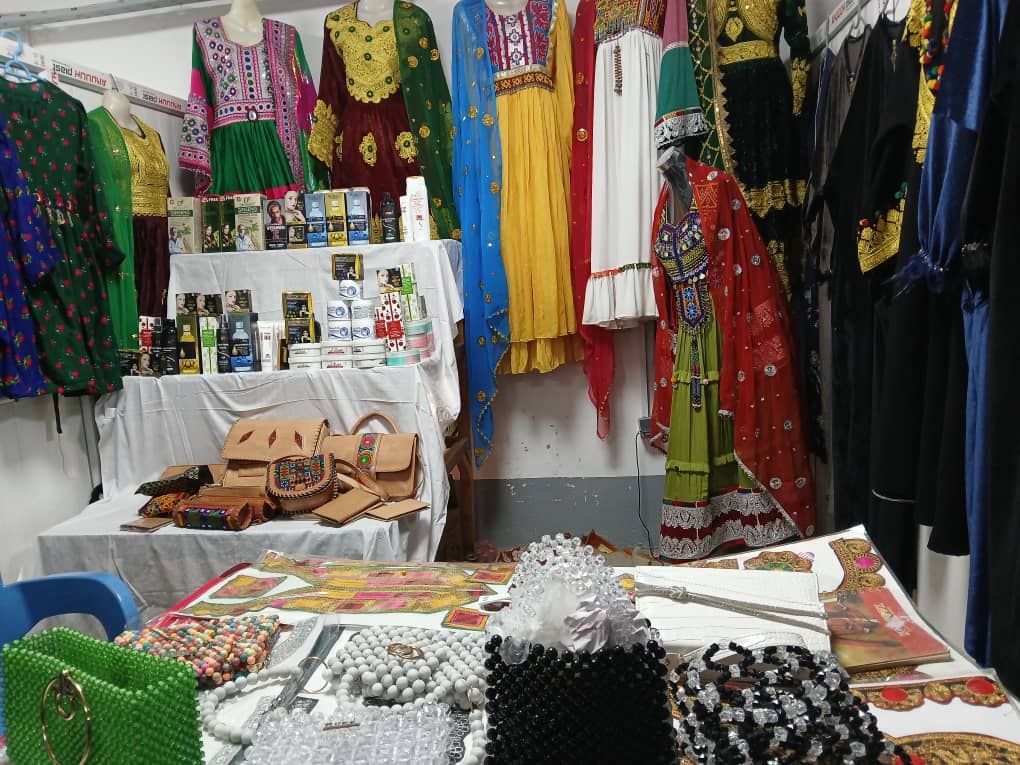
These businesswomen say they started their businesses with limited capital but have been able to expand their activities and increase their income and capital through planning, understanding the market and reinvesting.
Tafsir Baraki, a 26-year-old resident of Kabul, says she started her business two years ago with an investment of about 100,000 Afghanis in tailoring and handicrafts. She says her monthly income has now increased.
“At first, my business was small, but over time, through hard work, planning and a better understanding of the market, I was able to expand it. Now my business is doing well, and I earn an average of 20,000 to 40,000 Afghanis a month,” she adds.
Sayera Salehi, another 26-year-old resident of Daikundi, opened a shop selling women’s and children’s clothing and supplies with 150,000 Afghanis after losing her job as a journalist. She now says her capital has increased to about 250,000 Afghanis.
“I do not spend my capital or the profit I earn. Instead, I use it to buy more goods and keep my shop full so I can attract more customers. This shows that my capital is growing,” she adds.
The businesswomen say that engaging in economic activities has not only provided them with a source of income but has also helped them learn skills such as marketing, managing capital, sales, dealing with customers and using social media. According to them, these skills have helped their businesses grow and prosper.
Shaima, a businesswoman from Badakhshan, says she has learned various skills through her business activities.
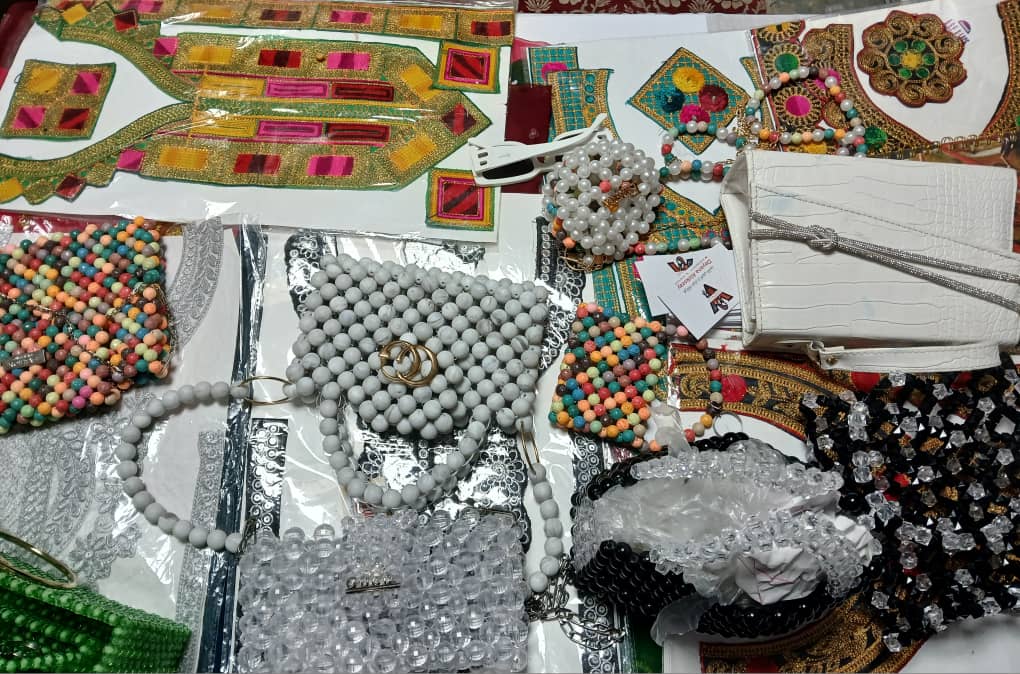
“By starting a small business, we learned many skills, including marketing, financial management, dealing with customers and using social media,” she says.
Zakia, a resident of Jawzjan, says, “Through my business activities, I have learned how to advertise my products through apps by making videos and images. I have also learned how to sell my products, as well as sales techniques, how to compete with others and how to satisfy customers.”
Meanwhile, economic experts say women with different skills, particularly in handicrafts and business, have great potential to support their families economically and contribute to the growth of local economies. Omidullah Qasemzai, an economic expert, says,
“Women in rural areas have good experience in handicrafts, while women in urban areas are more active in business and can engage in domestic and international trade. With greater support for businesswomen, they can play an important role in helping grow their families’ economies.”
Women’s rights activists also say that increased economic activity among women can strengthen their financial independence and pave the ground for greater participation in family decision-making. Zakia Alizada, a women’s rights activist, says,
“Women who earn an income take part in covering household expenses. As a result, their position in the family improves, and their role in decision-making and financial independence increase.”
Despite repeated efforts to contact the Women’s Chamber of Commerce and Industries, we could not succeed in obtaining official figures from the institution on the number of women with formal business licenses before this report was published. However, the United Nations Development Programme (UNDP) said this year that the number of business licenses registered in women’s names in Afghanistan has increased tenfold compared with five years ago. More than 10,000 women now hold formal business licenses.
Reporter: Zarafshan Sharifi