UNHCR distributes 50,000 hot meal packages to returnees
The United Nations High Commissioner for Refugees (UNHCR) in Afghanistan says it has distributed 50,000 hot meal packages to returnees to the country.

The United Nations High Commissioner for Refugees (UNHCR) in Afghanistan says it has distributed 50,000 hot meal packages to returnees to the country.
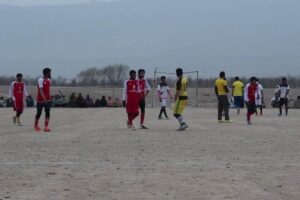
While sport is one of the most effective ways to promote the physical and mental development of youth, the lack of proper places for sports in Kapisa has prevented many youth from continuing their sporting activities.
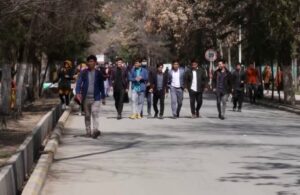
Interviews with 33 youth who began higher education four to 14 years later than the usual age show that they resumed their studies when circumstances allowed. According to those interviewed, economic problems were the main reason they could not enter university on time.
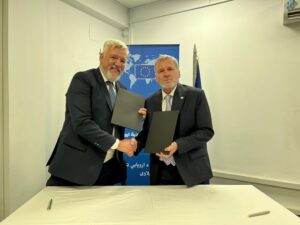
The European Union (EU) and the Food and Agriculture Organization of the United Nations (FAO) in Afghanistan have launched a €5 million initiative to help Afghan farmers and agribusinesses.

“Toyana” is a longstanding custom practiced in some parts of Afghanistan. It is a payment separate from the dower (mahr), in which an amount of money is determined or paid by the groom’s family to the bride’s family. Depending on customs and the circumstances of the families, this tradition can place a significant financial burden on the groom’s family and make the beginning of married life more difficult for young couples.

They emphasize that changes in behavior, isolation, hopelessness, and talking about death or having no purpose in life are among the signs that should not be ignored. Family support and timely access to professional help can be effective in preventing suicide.
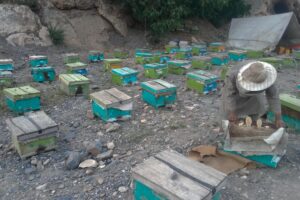
For some women and youth in Nangarhar, beekeeping is not only a way to produce honey; it has also become a source of income to cover living expenses and create job opportunities for others. A number of beekeepers in the province say they have been keeping bees for years to earn an income for themselves and their families. They say that if more facilities, professional training, and better marketing opportunities are provided, they can increase honey production.
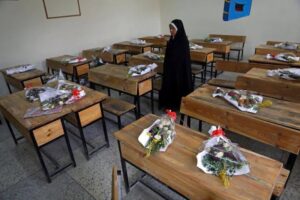
Simultaneously with the International Day to Protect Education from Attack, a number of victims of attacks on educational institutions in Kabul and their families say they are still suffering from the consequences of these attacks.
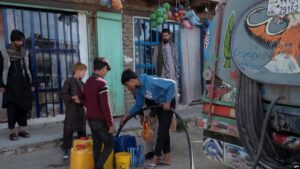
A number of students at Badakhshan University and employees of several offices in the province complain about limited or no access to safe drinking water and say they have to buy it, which puts an additional financial burden on them and creates other difficulties.
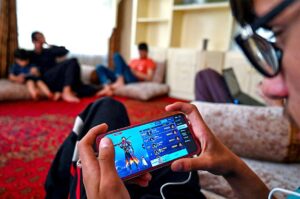
In recent years, online games have become a popular form of entertainment among youth in Afghanistan. With greater access to smartphones and the internet, online gaming has replaced physical games and exercise for some youth and has taken up a significant part of their time each day.
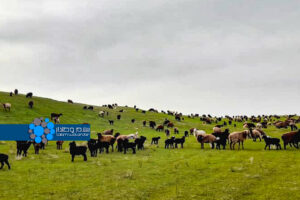
Consecutive years of drought in Ghor have left pastures with little fodder and forced many livestock owners to face high costs to feed their livestock. Some have also sold part of their livestock to keep the rest alive.
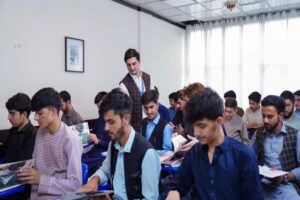
Despite the interest of some youth in learning foreign languages and digital skills, high fees at private educational centers have limited their opportunities to continue their education. They say that financial problems have caused them to temporarily stop their courses or face difficulties paying the fees.