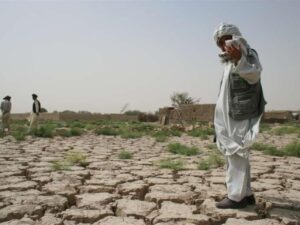
Climate change and fertilizer overuse reduce soil quality, say farmers
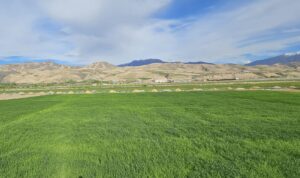
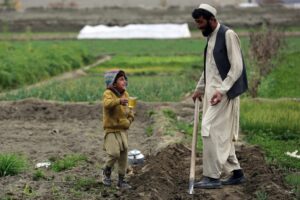
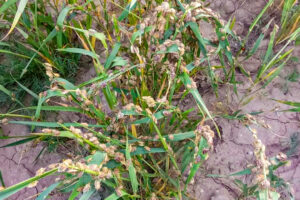
A number of farmers in Kunduz told Salam Watandar that climate change and the continued use of chemical fertilizers have created challenges for traditional farming methods.

A number of farmers in Kunduz told Salam Watandar that climate change and the continued use of chemical fertilizers have created challenges for traditional farming methods.

With the arrival of spring, the flower and plant market has taken on a fresh look, and youth working in this sector report increased sales during this season. Many of them turned to this profession because of their personal interest and the lack of job opportunities. By cultivating different kinds of ornamental plants, they not only beautify the environment but also create a source of income for themselves.

She has plans for the future and wants to expand her flower cultivation. She says, “I tell all women not to lose hope. Start with small steps and believe in yourselves. Every woman can make a difference.”

In recent years, Ghazni has increasingly been affected by climate change, with a rise in flooding causing significant damage to many families in the provincial center and its districts. Areas including Ghaib Qalandar, Hakim Sanayi Township, Khair Abad, Deh Khudaydad, Pirzada, Qala Amir Mohammad Khan, and Tawhid Abad in the provincial center, as well as parts of several districts, have repeatedly witnessed devastating floods.

Flash floods in mountainous areas occur as a result of heavy rainfall, rapid snowmelt, and the steep slopes of valleys. In recent years, however, climate change has intensified these events and shortened response times. In the provinces of Kapisa and Panjshir, flash floods have recently caused significant damage to infrastructure and posed serious threats to residents’ lives, raising concerns about community preparedness and the effectiveness of early warning systems.

Reza Jafari, a 35-year-old from Daikundi who has been working as a volunteer in greening activities for the past year, says, “The main reason we turned to volunteer work was that everywhere we look in our country, unfortunately, the hills have been stripped of forests, and plants have disappeared due to people’s excessive use and population growth. A lack of public awareness has led people to overexploit mountain forests.”

Laghman is a province where most of its population earns their living through agriculture and natural resources. With its green mountains, natural forests, and flowing rivers, this province is considered one of Afghanistan’s most important agricultural and natural areas. Two major rivers in the province, Alishang and Alingar, are essential sources of life for the people.

A woman in Farah province has launched a small quail-farming business in an effort to reduce her economic dependence and play an active role in supporting her family’s expenses. Najiba Naji says she started raising quails with a small investment in a limited space inside her home.

The Afghanistan office of the United Nations Children’s Fund (UNICEF) has stated that one in every three people in Afghanistan cannot access to safe drinking water.

The World Meteorological Organization (WMO) has reported that the Earth’s climate has reached its most critical level in history.

“We had a lot of land, but there was no water. We could only cultivate one plot, and the rest remained unused. When we received a loan from the EDF institute, we bought a solar system. Praise be to God, now we have enough water, I cultivate all my land, and I am earning a good profit.” he said.

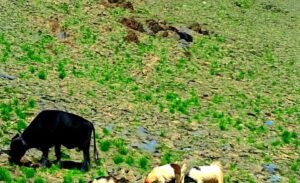
On the slopes of Parwan, where thousands of livestock traditionally begin their seasonal migration each spring, this year the routes were no shorter, yet pasturelands had declined significantly. Livestock owners who have followed specific migration patterns for years say the land has dried up, and some areas have completely lost their grazing capacity.