Flash floods in mountainous areas occur as a result of heavy rainfall, rapid snowmelt, and the steep slopes of valleys. In recent years, however, climate change has intensified these events and shortened response times. In the provinces of Kapisa and Panjshir, flash floods have recently caused significant damage to infrastructure and posed serious threats to residents’ lives, raising concerns about community preparedness and the effectiveness of early warning systems.
Overall, climate change — particularly rising temperatures, more intense sudden rainfall, and shifts in seasonal precipitation patterns — is considered a key driver behind the increasing severity of flash floods. Global studies indicate that in mountainous regions, the combination of heavy rainfall and rapid melting of snow and glaciers can produce high-volume, fast-moving floods capable of destroying bridges, transportation routes, and agricultural lands. Kapisa and Panjshir provinces in Afghanistan are not exempt from this global trend.
Shamriz, a resident of Tagab district in Kapisa, says he suffered losses from floods between March and July 2025, as well as in February–March 2026.
“During the recent floods, our lands, orchards, and homes were damaged. Our walls collapsed, and part of our fruit harvest was destroyed. We received no prior warning. In my opinion, climate change has caused floods to occur at unusual times, and rising temperatures have accelerated glacier melt. The government should assist affected individuals, construct protective walls, raise public awareness, and provide timely warnings about possible risks,” he says.
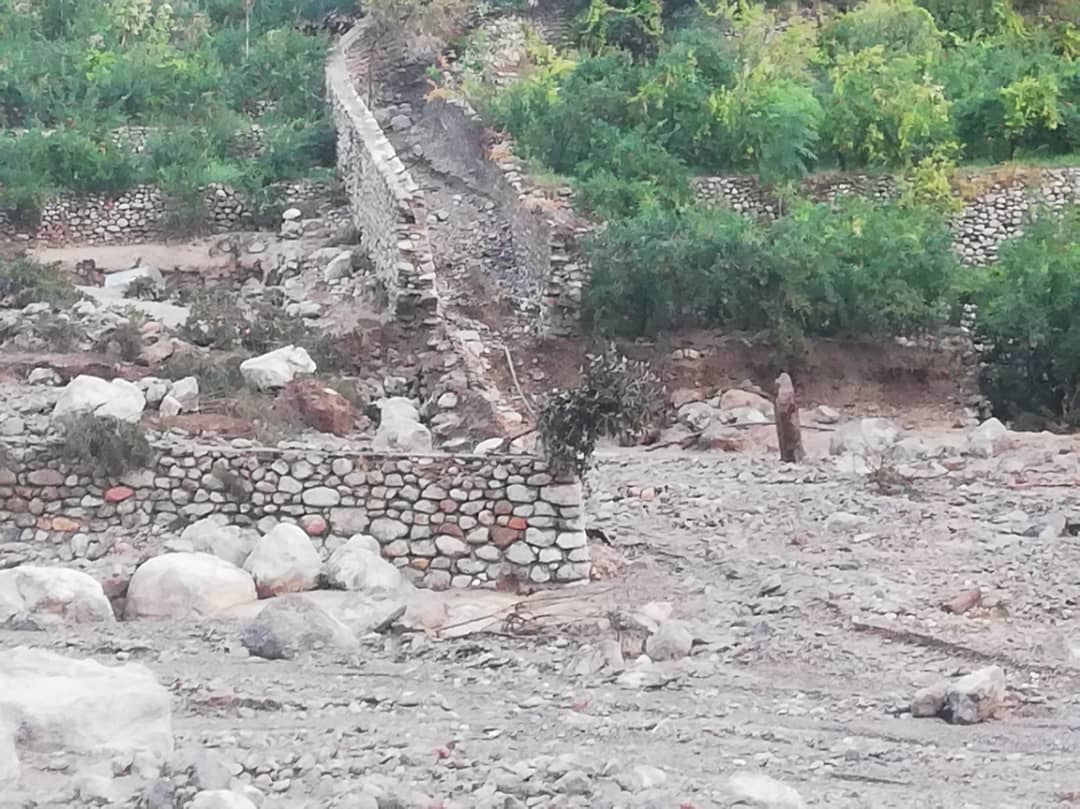
Meanwhile, Qamaruddin, a resident of Panjshir and one of those affected by these events, says the floods — in addition to destroying roads and water-control structures — have highlighted the urgent need for climate-adaptation measures. He says,
“The destruction of poorly constructed mud houses, the loss of agricultural lands, soil erosion, livestock deaths such as goats and cattle, and damage to small bridges, roads, and water canals are among the consequences of the floods. Relocating families to higher ground, keeping livestock away from riverbeds, preventing construction along flood pathways, restoring forests, preventing deforestation, establishing early warning systems, and educating communities about risk management are effective solutions.”
Aziz Aqa Azizi, a natural disaster and environmental expert, explains that flash floods in mountainous regions typically result from short-duration intense rainfall, steep terrain, reduced vegetation cover, and soil erosion, but climate change has intensified these factors. According to him, rising temperatures and increasingly irregular rainfall patterns have significantly increased the possiblity of sudden flooding.
“Intense, short-term rainfall occurring suddenly, combined with steep terrain and valleys, accelerates the melting of snow and glaciers. Rising temperatures can cause water to flow within a very short time and also increase evaporation. Natural conditions, topography, and climate must be carefully analyzed. Climate change, which we witness every day, together with human interference, plays a major role in this process,” he says.
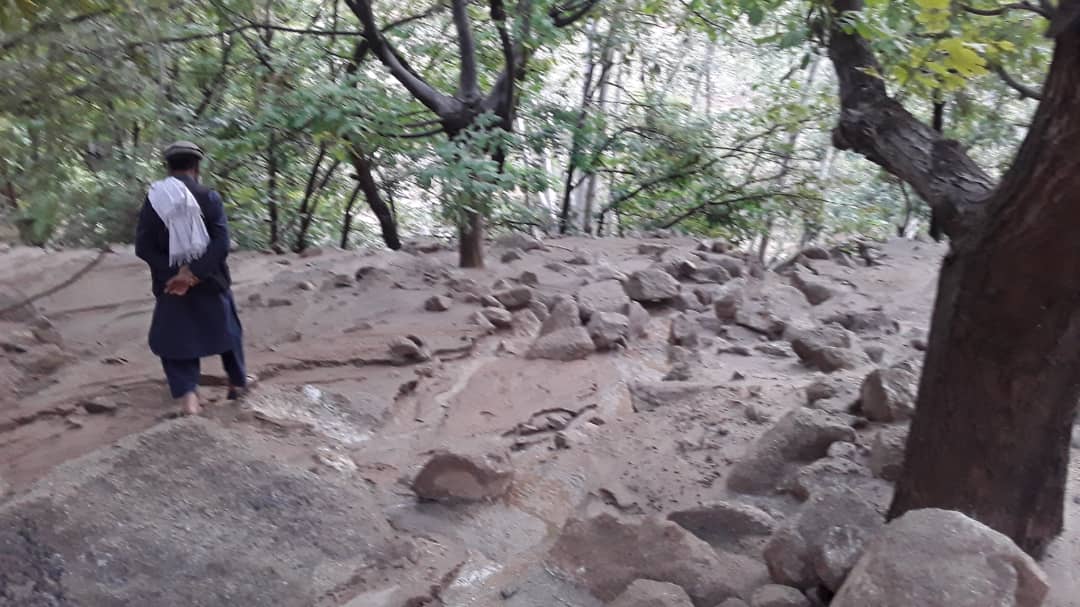
Mohibullah Jahed, head of the Panjshir Disaster Preparedness Authority, says that preparedness and response programs for natural disasters, along with raising awareness of the possibility of risks within the framework of climate change adaptation, remain among the department’s priorities. He adds,
“We have contingency plans involving various sectoral departments. Partner organizations also cooperate with us to provide facilities in the event of disasters. Awareness activities have been carried out in the fields of prevention and risk reduction. Panjshir is highly mountainous and vulnerable, and its infrastructure is easily damaged by natural disasters. Last year, we implemented several projects to reinforce riverbanks and clear flood channels and riverbeds. However, in some areas, declining water levels and even drought have also been observed.”
It is worth noting that experts believe combating flash floods in the mountainous valleys of Kapisa and Panjshir under changing climate conditions requires a comprehensive and adaptive approach. Strengthening infrastructure, educating the public, establishing effective early warning systems, implementing scientific watershed management, and reducing harmful human interventions are among the measures that can help mitigate these risks.