
Category: Afghanistan

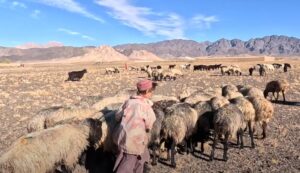
Thin livestock and dry pastures; Faryab livestock owners’ message to COP31

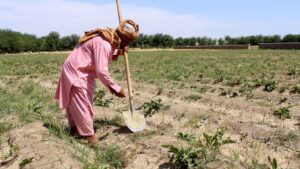
In the plains and villages of Faryab, Afghanistan, drought is no longer affecting only farmland. Pastures have decreased, fodder has become more expensive, and extreme heat has made life harder for livestock. For families whose food, income and financial security depend on cattle and sheep, the loss or weakening of livestock means more than losing an asset. It can mean less milk and meat, lost income and greater difficulty providing food for their families.

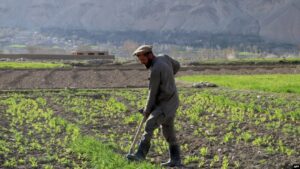
Daikundi’s almond orchards under pressure from climate change; empty tables, a message to COP31

In the mountainous areas of Daikundi, Afghanistan, almond blossoms are being damaged by sudden spring frosts, while consecutive droughts are reducing harvests. For families who depend on almonds for their livelihoods, this is more than the loss of a crop. It means smaller meals and growing financial pressure, forcing some families to sell their remaining livestock, borrow money to buy food from local shops, and cut back on meals.

30,000 people in Farah displaced by climate change; a message for «COP31»

Farah Province has been one of Afghanistan’s major agricultural regions for many years. But today, parts of the province are clearly showing signs of a deepening water crisis. This crisis has placed a heavy economic burden on poor farmers. Drilling a deep well costs between 300,000 and 500,000 Afghanis, an amount that many rural families cannot afford.

Birth rate increases in Afghanistan despite continuing challenges in childbirth

A number of women interviewed by Salam Watandar complain about the challenges they face when giving birth at home and in health centers. For this report, 10 women aged 20 to 48 from eight provinces, all of whom had given birth at home or in a hospital during the past year, were interviewed. The findings show that these women faced challenges such as the cost of childbirth and medicines, long distances and a lack of transportation, shortages of health workers and facilities, bleeding and severe pain during home births, as well as inappropriate treatment and inadequate facilities in hospitals.