A number of doctors in Samangan say that an unhealthy diet is one of the main causes of anemia among women and girls. They emphasize the importance of a healthy diet and add that anemia can weaken the body’s ability to fight disease.
Amruddin Erfan, a general internal medicine specialist in Samangan, says that women’s lack of attention to a healthy diet and inadequate consumption of vitamin-rich foods are among the main causes of anemia among women.
“Many women develop iron deficiency because they do not eat enough nutritious foods, such as vegetables, meat, and fruits. This condition can cause dizziness, pale skin, a rapid heartbeat, and reduced concentration,” he adds.
Jalaluddin Taheri, another general internal medicine specialist in Samangan, says that eating foods rich in vitamins can help reduce anemia.
“Eating iron-rich foods such as meat, liver, beans, green leafy vegetables, and fruits is very important. It is better to eat foods rich in vitamin C with meals because vitamin C helps the body absorb iron. Women who experience weakness, ongoing fatigue, or dizziness should visit a doctor and have a blood test,” he explains.
On the other hand, obstetrics and gynecology specialists in Samangan emphasize that nutritional deficiencies and anemia during pregnancy can harm fetal growth. Shakila Muradi, an obstetrics and gynecology specialist in Samangan, says:
“Anemia during pregnancy can lead to low birth weight, reduced physical and mental development, a weak immune system, and even physical and learning difficulties after birth. Mothers who lack iron and vitamins may not have enough energy for their daily activities. They are also more likely to experience fatigue, dizziness, and pale skin.”
Samina Azizi, another obstetrics and gynecology specialist in Samangan, says that pregnant women should have a healthy diet and take nutritional supplements to protect their health and the health of the fetus.
“Having proper nutrition and eating foods rich in iron and vitamins are very important during pregnancy because a lack of these nutrients can put both the mother’s and the baby’s health at risk,” she adds.
However, a number of women in Samangan say that economic difficulties and a lack of awareness about the consequences of an unhealthy diet have contributed to their anemia.
Nasima, a 37-year-old resident of Samangan who suffers from anemia, says her condition has improved after months of eating nutritious foods, visiting a doctor, and consuming vitamin-rich foods.
“I developed anemia without realizing it at first. My hands and feet would go numb, and I had a rapid heartbeat. When I visited a doctor and had a blood test, I was diagnosed with anemia. The specialist prescribed several treatment sessions and gave me serum through an IV, along with supplements,” she says.
Nasrin, a 24-year-old resident of Aybak, the capital of Samangan Province, says that although she has anemia, she does not know how to treat it.
“I usually eat whatever is cooked at home, such as rice, beans, and pasta. Sometimes I feel dizzy and weak. I want to know what foods I should eat to help treat my anemia, but no one has ever taught me about this,” she says.
Maryam, another 21-year-old resident of Aybak, says that economic problems and an unhealthy diet have contributed to her anemia.
“I do not know which foods are good for me, and my family does not pay much attention to this either. Sometimes I feel very dizzy, and my blood pressure drops, but no one takes me to the hospital. I wish I could eat fresh fruits and vegetables, but we cannot afford them,” she says.
Meanwhile, Laila Saberi, a religious scholar in Samangan, says that Islamic teachings emphasize the importance of protecting women’s health and that families also have a responsibility in this regard.
“Islam places great importance on protecting human life, especially women’s health. Mothers should follow health advice to protect themselves and their fetuses. Families also play an important role by providing nutritious food, emotional support, and help accessing healthcare centers,” she adds.
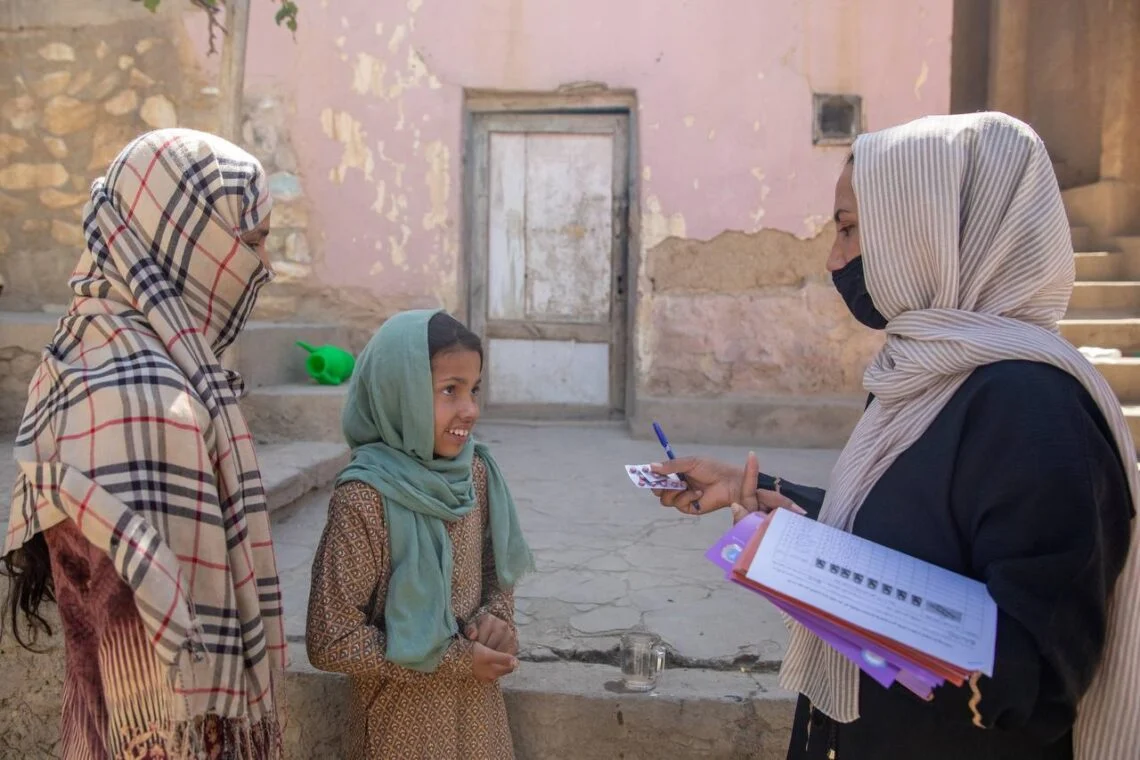
Anemia, or iron deficiency, is common among adolescent girls in Afghanistan. If left untreated, it can increase the risk of other health problems. In 2024, the United Nations Children’s Fund (UNICEF) reported that it had distributed folic acid tablets (iron supplements) to at least 2.5 million girls at risk of anemia in Afghanistan.
Reporter: Farahnaz Zaheri