A number of livestock owners in Faryab say that declining rainfall and drying pastures have made it increasingly difficult to raise their livestock.
Ghulam Hazrat, a resident of Kohistan District in Faryab, says that drought and a shortage of pastureland have made it difficult for him to provide enough fodder for his livestock.
“This year has been very different from previous years. There is less grass, and it has also been affected by pests. There has been very little rain, and everything has dried up, including the wheat crops. When we take our sheep to the pastures, they cannot find anything to eat,” he says.
Mohammad Achel, a livestock owner in Pashtun Kot District of Faryab, says that some of his livestock have become weak in recent years due to a shortage of pastureland and fodder.
“Due to a shortage of fodder, our livestock have become weak and suffered from various diseases. In previous years, I also lost 15 goats and sheep to disease. If I lose these animals, it will be a huge financial loss for us,” he adds.
The livestock owners add that the shortage of pastureland and the weakening condition of their livestock have negatively affected their livelihoods. They call on the government to take action to address the problem.
Meanwhile, the Department of Agriculture, Irrigation and Livestock in Faryab says it has launched a vaccination campaign to prevent the spread of animal diseases. Mohibullah Qaderi, Head of the Department’s Livestock and Animal Health Unit, says that 496,000 head of livestock have been vaccinated since the beginning of the current solar year.
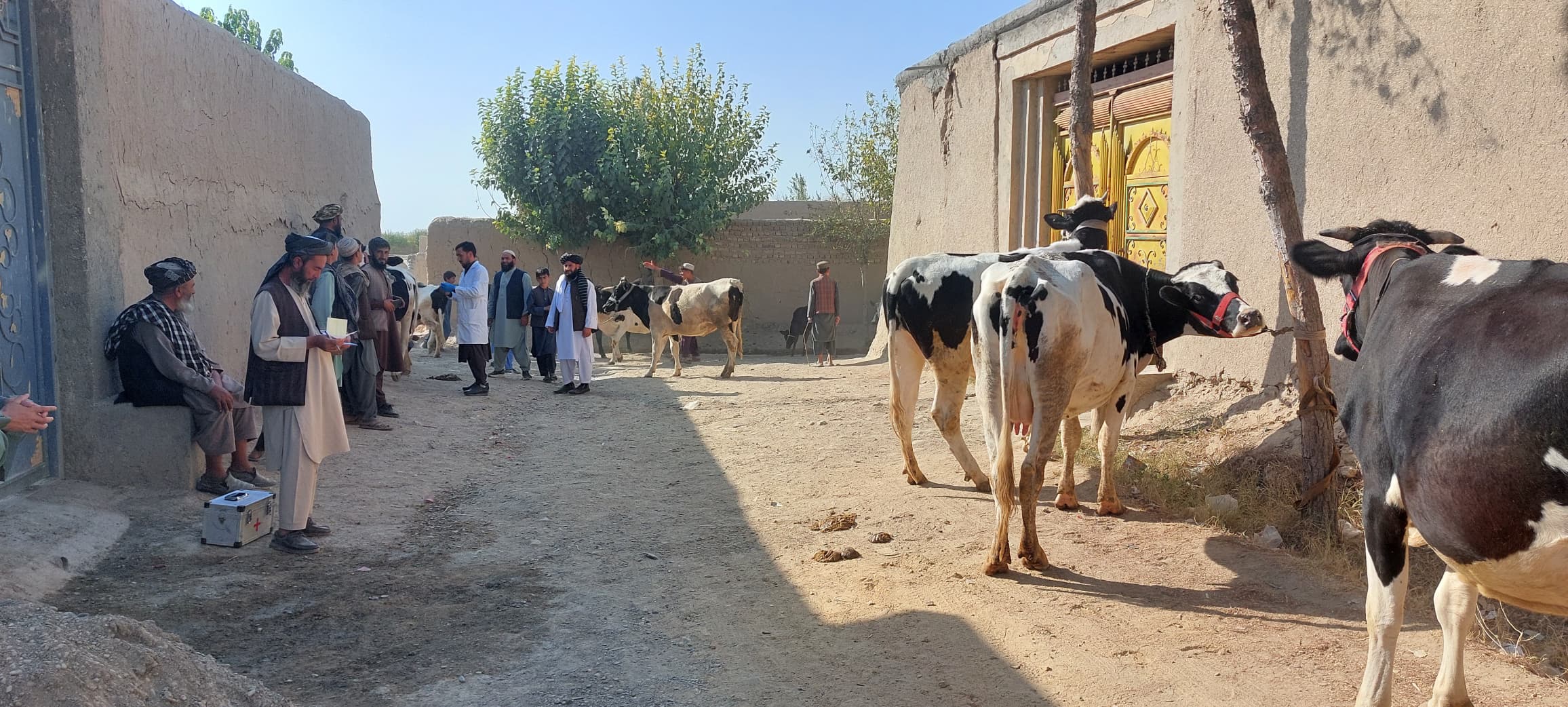
“At a time when livestock owners are facing drought and fodder shortages, protecting every head of livestock is economically important. For this reason, vaccination is one of the preventive measures being taken,” he adds.
Regular vaccination, providing sufficient fodder, maintaining proper hygiene, and ensuring suitable shelters for livestock are among the measures that can help reduce livestock owners’ vulnerability to the consequences of climate change. Juma Khan Sharifi, a livestock expert, says:
“Livestock owners should select improved breeds. In other words, they should know which breeds are most suitable for their needs and which offer higher productivity. Second, they should provide suitable places for keeping their livestock. When livestock are kept in unsuitable places, they can become sick and may die.”
Drought and fodder shortages, along with rising livestock maintenance costs, have placed a heavy financial burden on families who own livestock. These challenges make it increasingly difficult for them to maintain their livestock and secure their livelihoods.
Reporter: Khalida Sahraye