Category: Soceity

Residents of Asadabad concerned about the loss of green areas

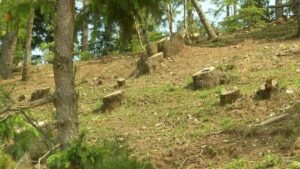
A number of residents of Asadabad, the capital of Kunar Province, say that expanding construction in recent years has destroyed large areas of greenery in the city. They add that the loss of green areas has contributed to rising temperatures, increased dust, and environmental pollution.

Climate change and poor sewage management threaten the health of Parwan residents

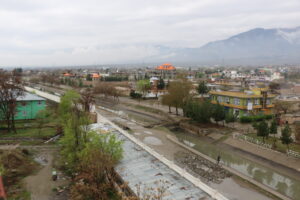
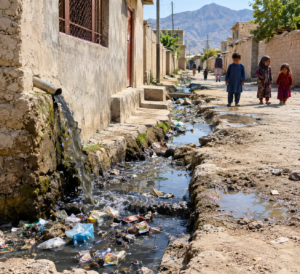
Charikar, the capital of Parwan Province, is one of Afghanistan’s developing cities, where climate change and poor sewage management are raising concerns about residents’ health. Population growth, the expansion of residential areas, and the lack of a proper sewage collection and treatment system have led many residents to dispose of wastewater through soak pits, open drains, and other traditional methods. As water resources decline due to climate change, these practices increase the risk of groundwater pollution and pose further threats to residents’ health.

The stories of families whose young relatives died along migration routes

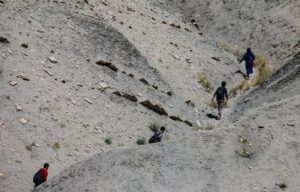
Salam Watandar’s interviews with 10 families from nine provinces of Afghanistan show that their relatives died over the past two years while trying to reach Iran and Turkey through illegal migration routes. The families say unemployment and economic problems have pushed youth to take dangerous routes, leaving their families facing serious emotional and economic difficulties.

Residents of Faizabad concerned over poor waste management amid population growth

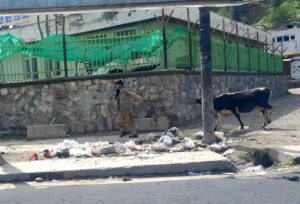
Faizabad, the capital of Badakhshan province, was once known as one of the relatively clean cities in the country. However, the city is now facing new environmental challenges due to accumulated garbage and poor waste management. Rapid population growth, urban expansion, and a lack of public awareness have put the city at serious risk. Meanwhile, concerns about pollution in the Kokcha River are also increasing.

Challenges with banking services in Afghanistan; youth prefer to keep their money at home

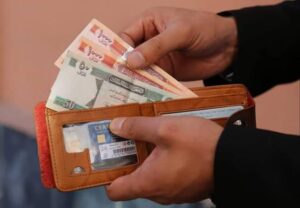
A number of youth in 10 provinces of Afghanistan say that despite having bank accounts, difficulties accessing cash when needed, problems with ATMs (Automated Teller Machines), and a lack of trust caused by previous unsuccessful experiences with the banking system have led them to prefer keeping their money at home. They say this increases the risk of theft and spending money too quickly, while also making it more difficult to save.

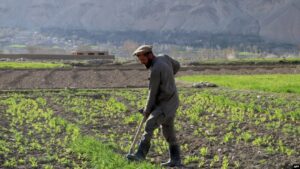
Some farmers in Farah turn to saffron cultivation

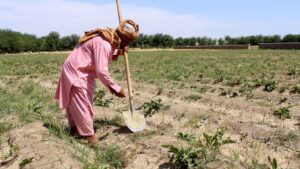
As water resources continue to decline in Afghanistan, some farmers in Farah province say saffron farming can provide them with a source of income because the crop requires less water. They emphasize that their main needs are creating opportunities for saffron cultivation and improving access to the domestic market for the product.