Category: SOCIETY & CULTURE

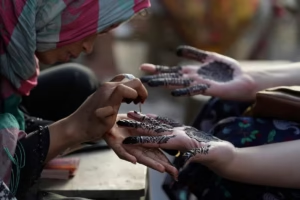
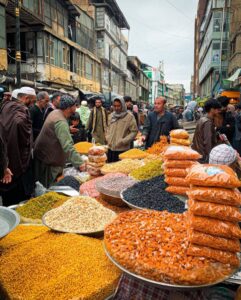
Women keep Eid traditions alive by making local sweets

For many women in Afghanistan, Eid is not just a celebration; it is an opportunity for families to gather, strengthen their bonds, and keep alive traditions that have been rooted in the country’s culture for generations. During this time, homes are filled with the colors and atmosphere of Eid, as women enthusiastically prepare Eid sofras—Sofras that symbolize hospitality, love, and the preservation of long-standing traditions.

Some women inherit land, but not its deeds in Afghanistan

Although women’s right to own land is recognized under law and Islamic Sharia in Afghanistan, some women engaged in farming lands in Faryab say they have been denied this right. They explain that, despite inheriting agricultural land and putting in years of hard work in plowing, sowing, irrigating, and harvesting—the land deeds have still not been registered in their names due to incorrect social customs.

Customary pressures deny girls education, work, and spouse choice

“My mother always told me to marry the man she chose. She said I had to accept, otherwise people would gossip about us. When the suitor came, my parents met him themselves. My father said, ‘What does the girl need to do? We have seen him and his family. It would be shameful—what will people say?’ They never realized he was addicted to drugs. I am not satisfied, and my father sacrificed me for the sake of customs and people’s opinions because I could not meet the boy before the engagement.” she says.

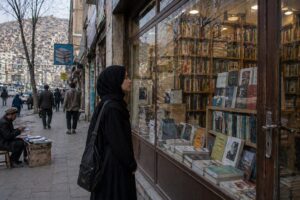
Easy access to books with the “Bulbul” audio app

A team of young developers has designed the “Bulbul” app, making religious, educational, artistic, and novel books available in audio format, especially for young people and children. The creators of this app told Salam Watandar that users can, by downloading the program, listen to books even while working, driving, or performing daily activities, and use it to increase their knowledge and skills.

Return of local languages to public signboards

The meeting was held on Thursday (Feb. 12), during which various issues were discussed. Among the topics raised was a directive from the leadership of the Islamic Emirate stating that signboards written in Pashto, Dari or Uzbek before its return to power should remain unchanged and that their language must not be altered.