3.4 million people affected by drought in Afghanistan
The United Nations Office for the Coordination of Humanitarian Affairs (OCHA) in Afghanistan has reported that 3.4 million people across the country were affected by drought.

The United Nations Office for the Coordination of Humanitarian Affairs (OCHA) in Afghanistan has reported that 3.4 million people across the country were affected by drought.
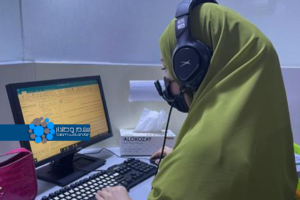
“I want to continue my education, succeed, and achieve my goals. I am happy and satisfied with the decision I have made.” These are the words of Shafiqa, a 30-year-old resident of Kabul. A journalism graduate, she says she wants to achieve her academic and professional goals before getting married. Shafiqa is not alone in making this choice. Findings from Salam Watandar’s interviews with a number of women show that continuing their education, pursuing careers, and attaining personal independence have become their top priorities.

A number of women in Daikundi Province say they face restrictions from their husbands and in-laws (their husband’s family) when trying to visit their families and relatives after marriage.
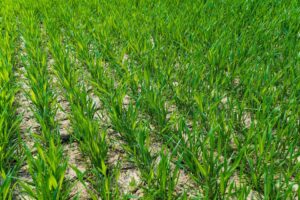
The importance of improved seeds and row planting for farmers in Uruzgan is not limited to higher production; it also helps them cope with climate change. In recent years, drought, declining rainfall, and water shortages have directly affected wheat yields, leaving many farmers facing economic hardship.
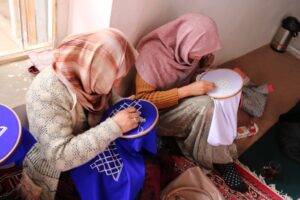
Ghor Province has a long tradition of handicrafts, particularly khamak embroidery, and is considered one of Afghanistan’s important centers for this traditional art. Deeply rooted in local culture and customs, khamak embroidery not only reflects the province’s cultural heritage but also serves as an important source of income, helping many women achieve economic self-sufficiency.

A number of farmers in Nangarhar have been cultivating strawberries for several years. They say they have chosen to grow strawberries because the crop produces higher yields and generates greater profits than many other crops.

My name is Siyaam Akbari. I am a first-year Computer Science student at a private university. Alongside my university studies, I am also studying the German language at an educational center. From an early age, I have had a strong interest in technology and modern tools, and I have always tried to use digital resources for my learning and academic progress.

Findings from Salam Watandar’s interviews with 22 youth across six provinces of Afghanistan show that 20 of them identified harmful comparisons made by family members as the most important cause of low self-esteem. The remaining two participants attributed their low self-esteem to fear of social judgment and the influence of social media.
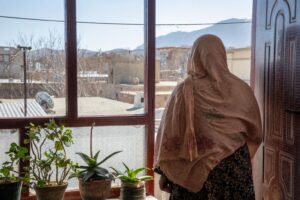
The findings of Salam Watandar’s interviews with 60 married women in Kabul and several provinces indicate that marriage has brought a range of personal, social, economic, and psychological changes to their lives.

Although in Islamic jurisprudence—particularly within the Hanafi jurisprudence —any form of oppression, insult, beating, or deprivation of a woman’s legitimate rights is prohibited, women in Afghanistan are still occasionally exposed to domestic violence.
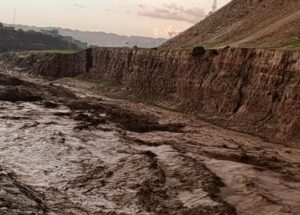
Recent floods and heavy rainfall in Badghis Province have caused extensive damage to farmland, orchards, and people’s property. A number of farmers say these events have not only destroyed the results of a year’s hard work but have also left the livelihoods and primary sources of income of many families in crisis.

In Mazar-i-Sharif, a young girl with a physical disability in her legs has established an educational center that provides free training in tailoring, literacy, and cooking for dozens of girls. This initiative has become an opportunity for many of the center’s students to learn skills and achieve financial independence.