A number of youth who travel to other provinces to pursue higher education complain about difficulties with housing and accommodation. In interviews with Salam Watandar, they say that private dormitories are not only expensive but also lack some of the facilities they need. They say these problems have negatively affected their studies.
The students call on officials to improve the quality of dormitory services and provide suitable accommodation, considering the economic situation of students.
Nesar Ahmad Arefzai, a fifth-year medical student from Asadabad, Kunar, says he lives in a private accommodation facility in Jalalabad and pays 9,000 Afghanis a month in rent and another 500 Afghanis for cleaning. He says the high rent, lack of a library, poor Wi-Fi, and absence of parks and sports fields are among the main challenges faced by students living there.
“We pay 9,000 Afghanis in rent and 500 Afghanis for cleaning every month, which is relatively expensive for students. Although our accommodation is kept clean, the lack of a library, proper Wi-Fi, a park and sports fields are among the main needs of students,” he says.
Salahuddin Safi, a 24-year-old from Kunar and a fifth-year medical student at a private university in Nangarhar, says he pays 4,000 Afghanis in monthly rent. He says the high cost of internet and the lack of a proper library and a suitable place to study are among the problems affecting students’ education.
“The high cost of internet and poor access to it have slowed down our studies. Another major problem is the lack of a proper and safe library, which has greatly affected our concentration, education and progress. We ask officials to provide students with affordable internet, a safe library and a suitable place to study,” he adds.
Mohammad Idris Elham, a resident of Logar and a final-semester journalism student at Nangarhar University, says he has been living in a private dormitory near Nangarhar University for the past two years. He says the rent is high compared with students’ financial situation.
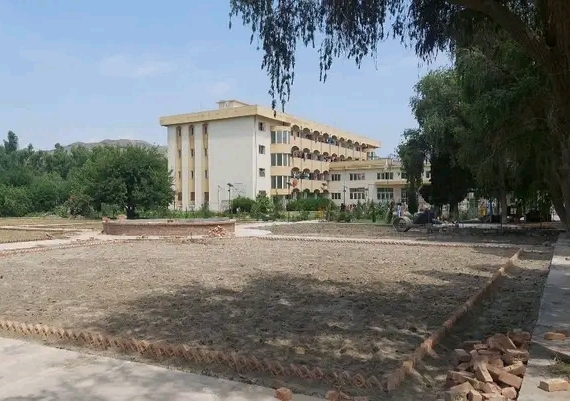
He says that in some dormitories, the situation regarding cleanliness, electricity, bathrooms and other facilities is not satisfactory.
“Our room rent is about 3,000 Afghanis, which is relatively affordable for four people sharing a room, but the prices are very high. There is no proper kitchen, the bathrooms and electricity system are not in good condition, and cleanliness is not given enough attention. We ask that attention be paid to the rent charged to students in private dormitories and that greater attention be paid to cleanliness in public dormitories as well,” he adds.
Meanwhile, a number of university professors say that the lack of suitable and safe accommodation and the high cost of housing can put students under psychological pressure or force them to do physical work to cover their living expenses.
Zubair Ahmad, a professor at Spinghar University in Nangarhar, told Salam Watandar that a lack of necessary facilities can reduce students’ concentration and cause psychological pressure.
“Students who do not have a suitable environment face stress and cannot achieve their goals. High rents also create financial problems for students, forcing them to spend time doing physical work instead of studying,” he says.
However, Abdul Hakim Haqqani, the director of the Nangarhar University dormitory, says around 2,300 students are currently living in the dormitory and that efforts are being made to address their accommodation-related challenges.
According to him, the completion of the new dormitory building will increase accommodation capacity. He says that painting and renovation work on the boys’ dormitory is also planned for next year. He adds that the current situation of the dormitory is good and that necessary services are being provided to students.
The students call on the relevant authorities to improve the quality of services in public and private dormitories, including cleanliness, electricity, internet, libraries and other essential facilities. They also call for suitable and affordable accommodation to be provided, considering students’ economic situation, so they can complete their studies in a peaceful and suitable environment.
Reporter: Alia Rahmati