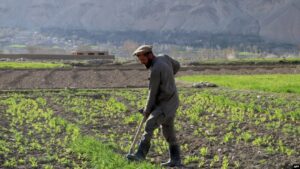
Baghlan, one of Afghanistan’s leading agricultural provinces, is known for its fertile farmland and the heavy reliance of much of its population on agriculture and livestock farming. In recent years, however, climate change, irregular seasonal rainfall, and flash floods have caused severe and often irreparable losses for thousands of farmers across the province.
Climate experts warn that, in addition to increasingly intense rainfall driven by climate change, environmental damage, poor water management, and construction within floodplains are among the main factors behind the growing severity of these disasters.
A number of farmers in Baghlan say the recent floods destroyed their farmland within hours, leaving them with heavy financial losses.
Noorgul, a farmer from Dahana-e Ghori District, says that the floods destroyed everything they had worked for over many years.
“Floods have occurred in the past as well, but this year’s flood was very dangerous. It destroyed all of our farmland and erased years of hard work. In my view, deforestation, climate change, and environmental degradation are the main factors behind the increase in these floods,” he says.
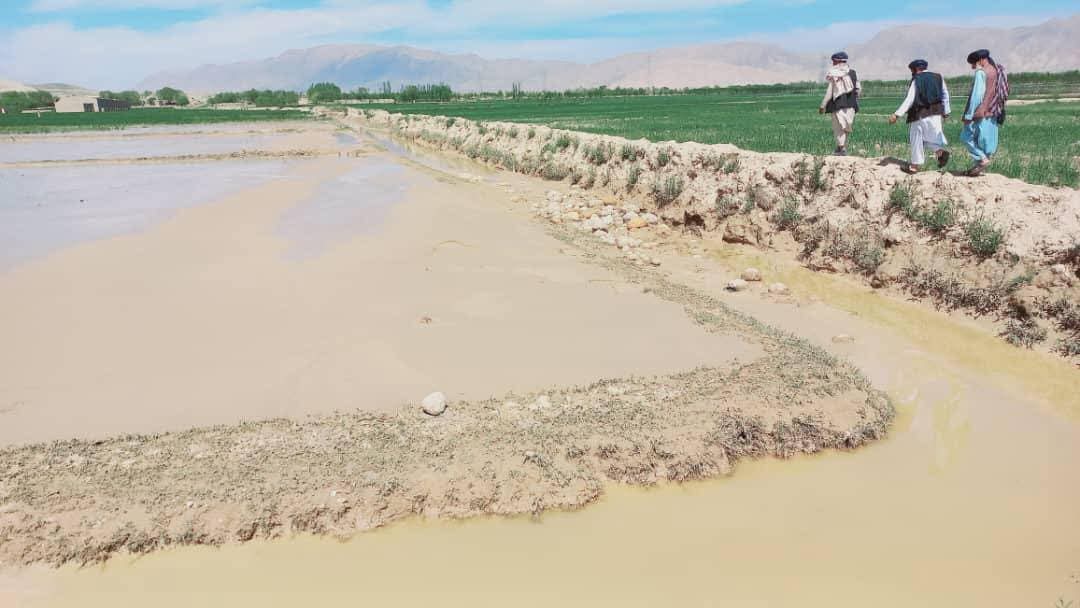
Zmarai, another farmer from Pul-e Khumri, describes the disaster as unprecedented in his 50 years of life.
“Nothing was left for me. My coriander, onion, and mint fields were completely destroyed. I had several cows, sheep, calves, and chickens, all of which were carried away by the flood. It came suddenly and was so dangerous that we could do nothing except save our family members and escape,” he says.
Esmat, a 35-year-old farmer from Dand-e Ghori District, says that although he welcomed the recent rainfall, the floods destroyed nearly 20 jeribs of his farmland. He adds,
“We expect the government to clean and reconstruct the flood canals so that floodwaters can be properly managed. The canals are now filled with sediment, and no one has taken action to clean them or redirect the water. This neglect has caused heavy losses for the people.”
Meanwhile, Salim Karimi, a climate change expert in Baghlan, believes that the increasing damage caused by recent floods is not due to natural factors alone. He explains,
“Consecutive droughts, the absence of a proper canalization system and standard water management infrastructure, illegal construction within floodplains, and the lack of emergency aid resources have all increased people’s vulnerability. However, climate change remains the primary driver of more intense rainfall and the occurrence of devastating floods.”
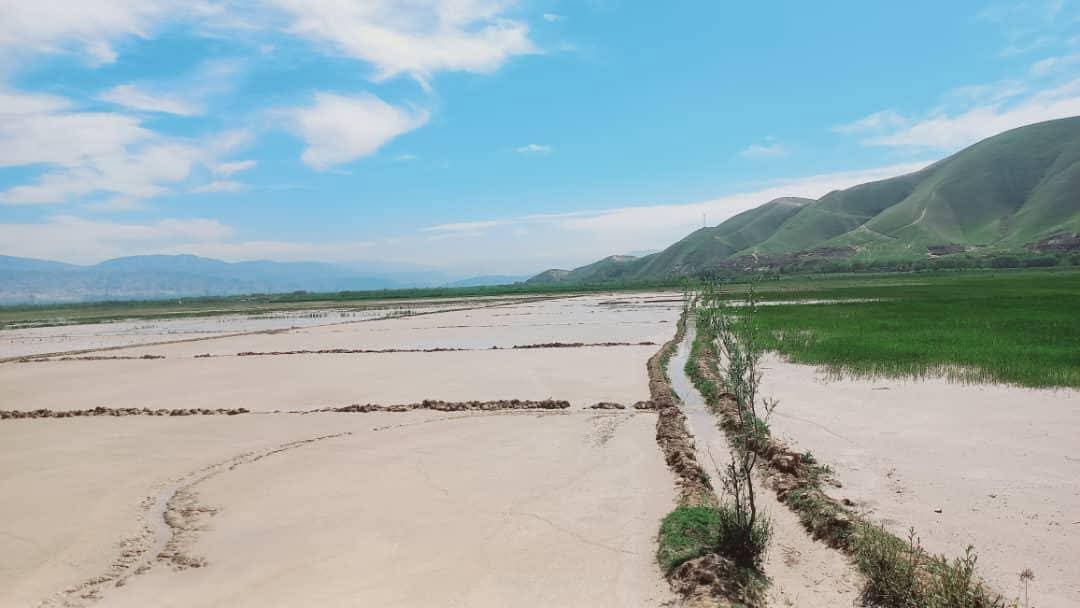
According to him, scientific management and preventive measures could reduce the severity of future losses.
“Redirecting floodwaters to uninhabited areas, demolishing or relocating homes built within floodplains, and preventing farming in high-risk areas are measures that could substantially reduce the number of casualties,” he adds.
Wali Amarkhail, spokesperson for the Baghlan Department of Agriculture, confirms the extensive damage caused by this year’s heavy rains and floods, saying,
“The recent floods have destroyed wheat and bean fields, as well as large numbers of both fruit-bearing and non-fruit-bearing orchards. According to preliminary figures, 60 cows and calves, 72 sheep, 37 goats, and 691 domestic and commercial chickens were lost in this incident.”
According to him, farmers in Pul-e Khumri and the districts of Dand-e Ghori, Dahana-e Ghori, Baghlan-e Markazi, Doshi, Tala wa Barfak, and Nahrin suffered the heaviest losses.
Seasonal floods in Baghlan cause heavy human and financial losses every year. Experts warn, however, that as climate change intensifies and weaknesses in natural resource management and flood-control infrastructure persist, the scale of this damage is likely to increase in the years ahead. Under such circumstances, many farmers are left with no choice but to rebuild their lives after every disaster, beginning again amid the mud and sediment left behind by the floods.
Reporter: Marina Shirzai