Findings by Salam Watandar, based on data from Sheikh Zayed Hospital and interviews with neurology specialists, show a significant increase in stroke cases among youth under the age of 38 in Afghanistan, particularly among women.
According to data from the Health Management Information System (HMIS) at Sheikh Zayed Specialized Hospital in Kabul, obtained by Salam Watandar, 9,020 stroke cases were registered at the hospital during the solar year 1404 (2025–2026). Of these, 1,994 cases (approximately 22%) involved individuals under the age of 38. Compared with the solar year 1403 (2024–2025), when 1,613 stroke cases were recorded among youth, this represents an increase of about 23%.
Abdul Ghiyas Momand, head of the Health Management Information System at Sheikh Zayed Hospital, told Salam Watandar,
“In 1404 (2025–2026), 9,020 patients visited our hospital for stroke treatment. Among them, 1,994 were under the age of 38, including 1,049 women and 945 men.”
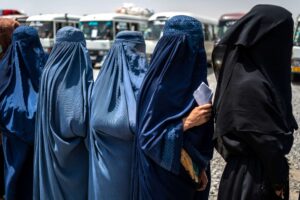
The data show that women account for a larger share of young stroke patients. Of the 1,994 young patients registered in 1404 (2025–2026), 1,049 (52.6%) were women and 945 (47.4%) were men. A similar pattern was observed in 1403(2024–2025); of the 1,613 cases, 902 (55.9%) were women and 711 (44.1%) were men. These figures indicate that in both years, young women were more vulnerable to stroke than men of the same age group.
Stroke is a preventable disease that occurs when a blood vessel in the brain becomes blocked or ruptures, reducing or cutting off blood flow to part of the brain and preventing oxygen and nutrients from reaching brain cells.

Neurologists identify cardiovascular disease, high cholesterol, hypertension, unhealthy lifestyles, obesity, and physical inactivity as major risk factors for stroke. Doctors also note that stress, hormonal changes, and the use of contraceptive medications may further increase the risk of for stroke among women.
Gul Ahmad Tahiri, a neurologist at the French Medical Institute for Mothers and Children (FMIC), told Salam Watandar,
“Women who have experienced recurrent miscarriages, those who frequently use contraceptive pills, women suffering from anemia, and those facing other health challenges are 40 to 60% more likely to be at risk of stroke.”
Meanwhile, Sirajuddin Nejrabi, head of neurology internal medicine at Sheikh Zayed Specialized Hospital, said that abnormal blood vessel structure, unemployment, and tobacco use are among the factors that weaken vascular resistance and increase stroke risk among young people.
“At younger ages, the primary cause is often abnormal blood vessel structure with vulnerable points. Stress and unemployment also play significant indirect roles. The use of certain medications, hookah, and cigarettes can increase risk by weakening blood vessel resistance,” he said.
Information obtained by Salam Watandar from the Ministry of Public Health shows that during the past solar year, 14,907 people in Afghanistan suffered strokes and sought treatment at public hospitals, of whom 1,680 died.
Interviews with families of young stroke patients indicate that many patients experience serious and long-term complications, including partial or complete paralysis, speech disorders, and reduced mobility. These complications not only take away patients’ independence but also make them dependent on their families.
Ahmad Fahim, a 34-year-old resident of Ghor, said his 28-year-old brother suffered a stroke two months ago due to stress and unemployment, and now half of his body is paralyzed. He added,
“It has been two months since he suffered a stroke. He had high blood pressure, and due to unemployment, poverty, and stress, he developed this illness. His condition has improved compared to the first few days, but one side of his body is still paralyzed.”
Mohammad, a 57-year-old resident of Faryab whose 20-year-old son suffered a stroke, said the illness has negatively affected his son’s speech and physical activities,
It has been 15 days since the stroke. He cannot maintain his balance or speak. Before the stroke, he had no other illnesses. His condition sometimes worsens and does not improve.
Gul Aqa, a resident of Maidan Wardak whose 15-year-old son suffered a stroke, said, “He has had several strokes. The first occurred due to a blocked blood vessel, and he has now suffered another stroke involving bleeding. His left hand was paralyzed but is gradually improving; however, his right leg is now paralyzed, and he cannot speak clearly.”
At the same time, psychologists identify unhealthy lifestyles, poor diet, lack of physical activity, stress, and family and psychological pressures as major contributors to stroke among young people, expressing concern over the continuing trend. Sharafuddin Azimi, head of the Psychological Services Office (APC), said,
“If stroke prevention among young people is not addressed, we will continue to lose more youth every day. Young individuals may suffer paralysis, develop speech disorders, experience reduced functional ability, become disabled, and become dependent on their families. This will also place additional pressure on the healthcare system. A comprehensive strategy and further research are needed to identify the underlying causes.”
According to the findings of this report, stroke is no longer a disease limited to the elderly; the number of young people affected is increasing. Unhealthy lifestyles, rising psychological stress, and growing risk factors such as substance use and physical inactivity are considered major contributors to stroke among youth.
Reporter: Nilofar Mohammadi