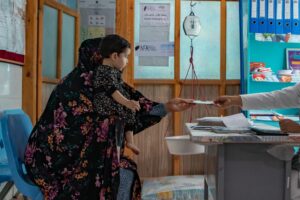
Doctors warn that fasting by pregnant and breastfeeding women under sensitive conditions can pose a serious threat to the health of both mother and child. However, some women still prefer to observe all their fasts during Ramadan and do not follow medical recommendations.
Zarghona Muhabbat, a specialist in obstetrics and gynecology, explains that fasting after the fourth month of pregnancy can cause severe weakness in the mother and serious health challenges for the baby. She warns,
“After the fourth month of pregnancy, if the mother has any health problems or is not in proper physical condition, she should not fast. Fasting during this period can lead to severe dehydration, extreme weakness, persistent headaches, nausea, dizziness, fatigue, anemia, and reduced energy. These problems can sometimes have irreversible consequences for the fetus, including intrauterine death, miscarriage, or premature birth.”
Tabassom Feda, another obstetrics and gynecology specialist, also emphasizes that fasting by mothers with infants under six months old can decrease both the quantity and quality of breast milk and disrupt the baby’s natural growth. She says,
“Breastfeeding mothers should avoid fasting when their baby is between three and six months old. The main risks include reduced breast milk volume due to dehydration, a decline in essential nutrients, vitamins, and minerals needed by the infant, and negative effects on the child’s weight and growth.”
Helmand Sediq, a specialist in internal medicine, believes that not all pregnant and breastfeeding women are in the same condition. According to him, women who have no specific health problems and are not anemic may fast if they follow a proper diet and consume nutritious foods. He recommends,
“Women whose fasting has been approved by their physician and whose tests show no particular problems should include chicken, fish, beef soup, and nutritious starchy foods such as rice and potatoes in their pre-dawn (Suhoor) and evening (Iftar) meals to maintain their health and their child’s health.”
Doctors consistently emphasize that fasting during pregnancy and breastfeeding should be approached with caution and under the supervision of a specialist. Nevertheless, some women ignore these warnings and fast without consulting a physician, often experiencing weakness, fatigue, excessive thirst, and noticing negative effects on their fetus or infant.
Yasamin, 39 years old and in her eighth month of pregnancy, shares her experience of fasting without consulting a doctor. She says, “I am in the eighth month of my pregnancy and I am fasting. I haven’t visited a doctor so far, but I continue to fast regularly. During the day, I feel extremely hungry and thirsty—my tongue sticks to the roof of my mouth. Since I started fasting, I have noticed that the movements of my baby in the womb have decreased and are not as before.”
Sahar, who is in her second month of pregnancy, has a different experience. She sometimes fasts but often has to break her fast. “Some days I fast, but when weakness or fatigue becomes too much, I stop. This year, I am not fasting because my doctor said it is dangerous. Dehydration and weakness could harm me, and I feel that my body cannot handle the strain. Some days, I experience hunger, thirst, headaches, and nausea.”
Sunita Farrokhi, 24 years old and mother of a four-month-old infant, describes her experience fasting while breastfeeding. She says, “Since I started fasting, my milk has decreased, so I have had to supplement with formula for my baby. During the day, my blood pressure drops, and severe thirst bothers me.”
Religious scholars also note that women in sensitive conditions, such as pregnancy and breastfeeding, are exempt from fasting.
Rahimullah Kashshaf, a religious scholar, emphasizes that if fasting poses a risk to the mother or child, it is better not to fast and to make up the missed days later. He says,
“Pregnant women who are examined by a physician and found to be genuinely weak, as fasting would reduce energy reaching the fetus and could potentially harm it, are allowed to break their fast.”
It is worth mentioning that doctors stress the importance of careful evaluation of each woman’s health and the potential risks of fasting during pregnancy and breastfeeding. Yet, some women continue to fast due to personal reasons or religious beliefs, despite medical warnings.
Reporter: Husna Sadat