Introduction
On Sunday night, 31 August 2025, a powerful earthquake struck eastern Afghanistan, especially Kunar Province. The tremors were also felt in nearby provinces. According to reputable global seismic centers, the earthquake registered 6.0 on the Richter scale, which is relatively rare in Afghanistan’s history of natural disasters. Most districts of Kunar were affected, with the strongest shaking felt in Nurgal, Sawkai, Khas Kunar, and some other districts. This earthquake has been recorded as one of the deadliest in Afghanistan in recent years. As a result, around 2,200 people lost their lives, more than 4,000 were injured, and over 8,000 homes were destroyed.
Unlike typical media reports that fade from public memory after a few days, this survey aims to provide a clear and lasting picture of the disaster. It covers everything from human losses to environmental damage, mental health challenges, and food shortages, giving a more complete view of what the affected communities are facing.
Geological and seismic background of Afghanistan
Afghanistan lies in a broad zone of continental deformation within the Eurasian Plate. A large compressional–extensional fault belt stretches from the Hindu Kush in northeastern Afghanistan to the Afghanistan–Pakistan border (USGS). This location makes Afghanistan one of the most earthquake-prone countries in the world.
Since 1950, roughly 17,400 people have died in earthquakes in Afghanistan (Worlddata). The earliest recorded earthquake in the country dates back to 734 AD (GeoScienceWorld), showing that Afghanistan has a long history of seismic activity.
2025 Kunar earthquake: Geological features
The Kunar earthquake had some specific features that made it especially deadly:
· Shallow depth: The quake occurred at only 8 kilometers deep, which caused strong shaking at the surface and greatly increased the damage (United Nations University).
· Timing: It struck around midnight, when most people were asleep in their mud-brick homes.
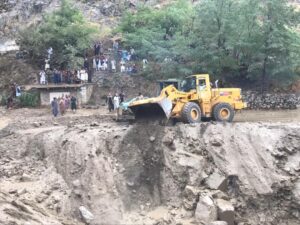
· Monsoon rains: Weeks of heavy monsoon rains had loosened the slopes, and the earthquake triggered landslides that buried roads and villages under debris (United Nations University).
· Ground deformation: The surface of the earth shifted by up to 23 centimeters during the main earthquake on 31 August (United Nations University).
Problem statement
Natural disasters in countries like Afghanistan have far-reaching human and environmental consequences because of low development levels and limited infrastructure. In these societies, each disaster makes people even more vulnerable.
The Kunar earthquake struck at a time when residents were already struggling with ongoing environmental crises and restricted access to healthcare. Recent droughts and reduced rainfall had lowered agricultural yields, leaving communities in Kunar more vulnerable than ever. On top of this, women already faced major barriers in accessing healthcare before the earthquake.
Although national and international agencies reported the number of casualties, it is still unclear what psychological impact the earthquake has had on survivors, or how well the aid provided has met essential needs like food and shelter. It also remains uncertain how effectively women have been able to access the healthcare services they need.
This field study is the result of a collective effort by journalists from Radio Salam Watandar. Its aim is to amplify the voices of those affected by the Kunar earthquake in the Sawkai district, which serves as a case study. The survey included participants who lost their homes and loved ones. Through this quantitative research, we aim to present a clear picture of the disaster’s impact in Sawkai. Key areas of focus include the number of deaths and injuries, destroyed homes, environmental damage, and the condition of women after humanitarian and healthcare assistance began. The study also examines the delivery of aid and the extent to which basic needs are being met, which will be shown later through graphs and statistics.
Significance of the study
So far, no comprehensive survey has directly involved the earthquake-affected population in Kunar. Most reports rely on government or international organization statistics, leaving the voices of the victims largely unheard. This survey, for the first time:
· Captures the direct voices of 1,061 affected families.
· Examines multiple dimensions of the disaster, including casualties, displacement, environmental damage, education, health, food security, and mental well-being.
· Documents the specific challenges faced by women and children.
· Highlights gaps in aid delivery.
This report can help policymakers, humanitarian organizations, and researchers design more effective reconstruction programs and improve preparedness for future disasters.
Main research questions
1. How many residents of Sawkai District, Kunar, were killed or injured by the earthquake?
2. What impact has the earthquake had on the mental health of women and children?
3. How much agricultural land was destroyed, and how many livestock were lost?
4. To what extent has aid reached the affected population?
5. What is the status of schools and children’s education?
6. What is the condition of pregnant and breastfeeding women following the earthquake?
Methodology
The research method in this survey is quantitative and based on the population of Sawkai district, Kunar.
Data collection method
Data for this survey were collected through fieldwork, using questionnaires distributed directly to the affected population.
Case study
Sawkai district in Kunar was selected as the case study for the affected population, and 1,061 residents of this district participated in the survey.
Key challenges of the survey
The low literacy level of the participants posed several challenges for the survey:
- Difficulty in understanding complex questions.
- Trouble distinguishing between similar response options.
- An increase in “no response” answers for more technical questions.
- Psychological stress caused by the disaster.
Given that 83.3% of respondents experienced severe psychological changes:
- Recalling painful details, such as causes of death or the exact number of casualties, was difficult for many.
- Some respondents preferred not to discuss sensitive topics.
- The “Other” response option (e.g., 18.2% for causes of death) likely reflects “I prefer not to explain.”
Cultural Sensitivities
- Regarding deceased individuals: 20% of respondents did not answer, and 0.8% chose “I prefer not to answer.”
- Regarding pregnant women:7% of respondents did not answer, and 3.7% chose “I prefer not to answer.”
- Discussing death and women’s issues is culturally sensitive in the local context.
Challenging Interview Conditions
- Living conditions:6% of respondents were living in tents or outdoors.
- There was no calm or private space suitable for in-depth interviews.
- Daily survival challenges caused frequent interruptions and reduced participants’ focus.
Executive summary
This survey, conducted by the Salam Afghanistan Media Institute (Radio Salam Watandar), involved 1,061 families affected by the Kunar earthquake in Sawkai district. The respondents were overwhelmingly men (99.5%), with low literacy levels (61.3% illiterate), and mainly engaged in agriculture and livestock farming (32.6%). About 13.2% of families reported at least one death, and 42.9% had injured members, of whom 25.5% suffered serious injuries. The main causes of death were being trapped under debris or falling from heights. Displacement was widespread, with 92.4% of families forced to leave their homes—67.1% temporarily and 25.3% permanently. Currently, 61.7% live outdoors without shelter, and 34.9% reside in temporary tents. Additionally, 77.6% of families lost all their homes and property.
The earthquake caused extensive damage to natural resources. Around 81.5% of water sources were destroyed or contaminated, 93.2% of agricultural land was partially or completely damaged, and 59.5% of livestock perished. Infrastructure was also severely affected, with 97.9% of roads blocked or damaged and 83.8% of forests impacted. The education sector was heavily affected: 95.3% of schools were partially or completely destroyed, forcing 87.1% of children to study in temporary tents. Conditions are critical. About 76.4% of families are fully dependent on food aid, 42% suffered from diarrhea and vomiting, and 32.4% have very limited access to healthcare services. Maternal and child health is at serious risk: 29.8% of families have pregnant women with restricted access to health services, and 72.3% have breastfeeding women. Notably, 4.6% of deliveries occurred at home without medical support, and 78.7% of children under five are ill, malnourished, or both.
The psychological impact is severe. Around 83.3% of women and children experienced significant psychological changes, 90.3% showed signs of fear, anxiety, or depression, and 50% reported increased family tensions. While 41.3% of families received comprehensive assistance, 4.2% received no aid. About 75.3% stated that the aid was somewhat helpful but insufficient, and only 2.2% reported that their problems had been fully resolved.
Several factors worsened the impact of the earthquake, including its shallow depth (8 km), mountainous terrain (94.3%), landslides, mud-brick homes, and its occurrence at midnight. In conclusion, the Kunar earthquake created a multi-layered crisis whose effects go far beyond immediate casualties. Many affected people continue to live in critical conditions, lacking adequate shelter, food, healthcare, and experiencing severe psychological distress. Women and children have been disproportionately affected, underscoring an urgent need for comprehensive aid and long-term reconstruction.
Demographics of respondents
Place of residence
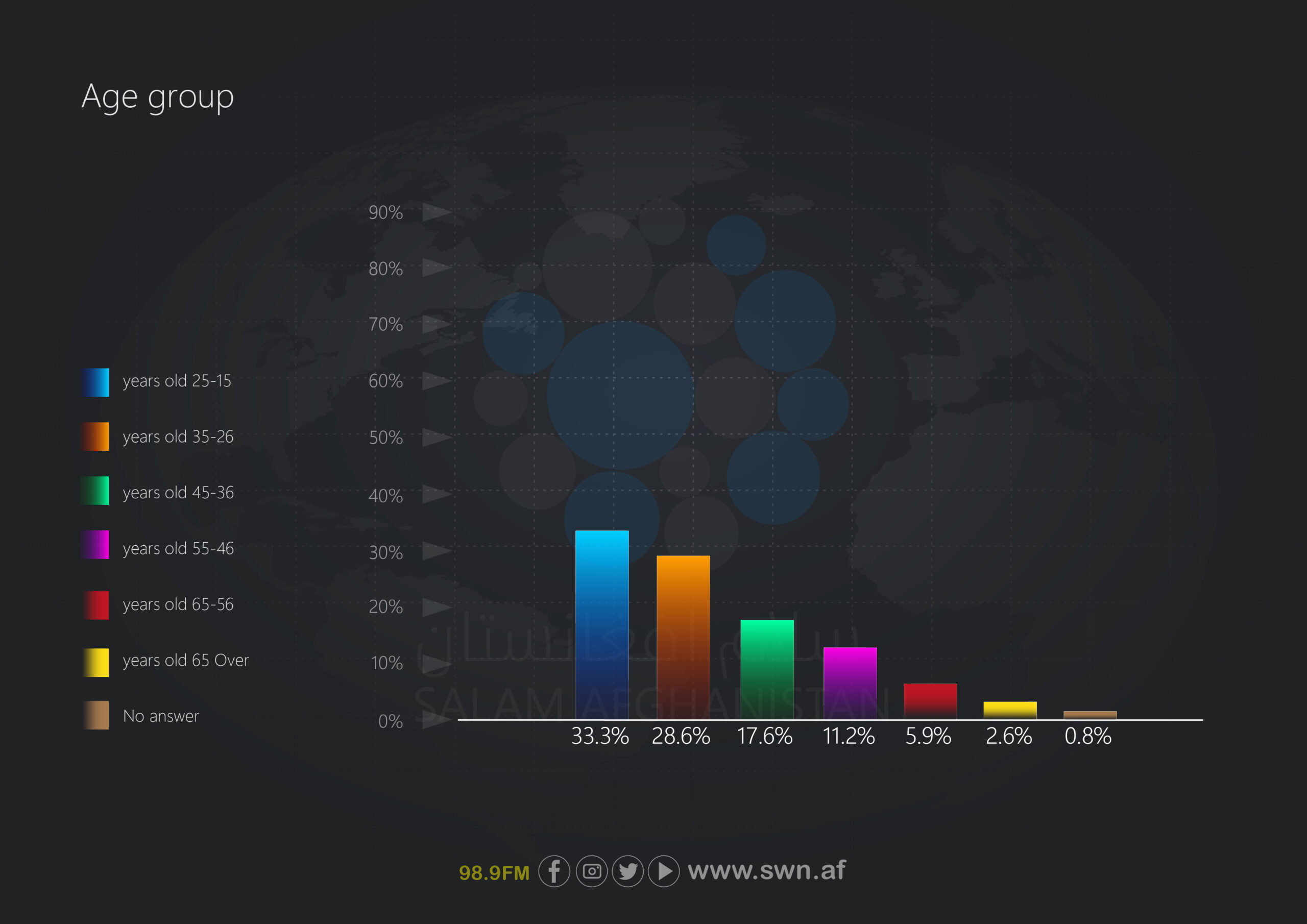
The majority of survey participants were residents of Sawkai district in Kunar.
Type of land
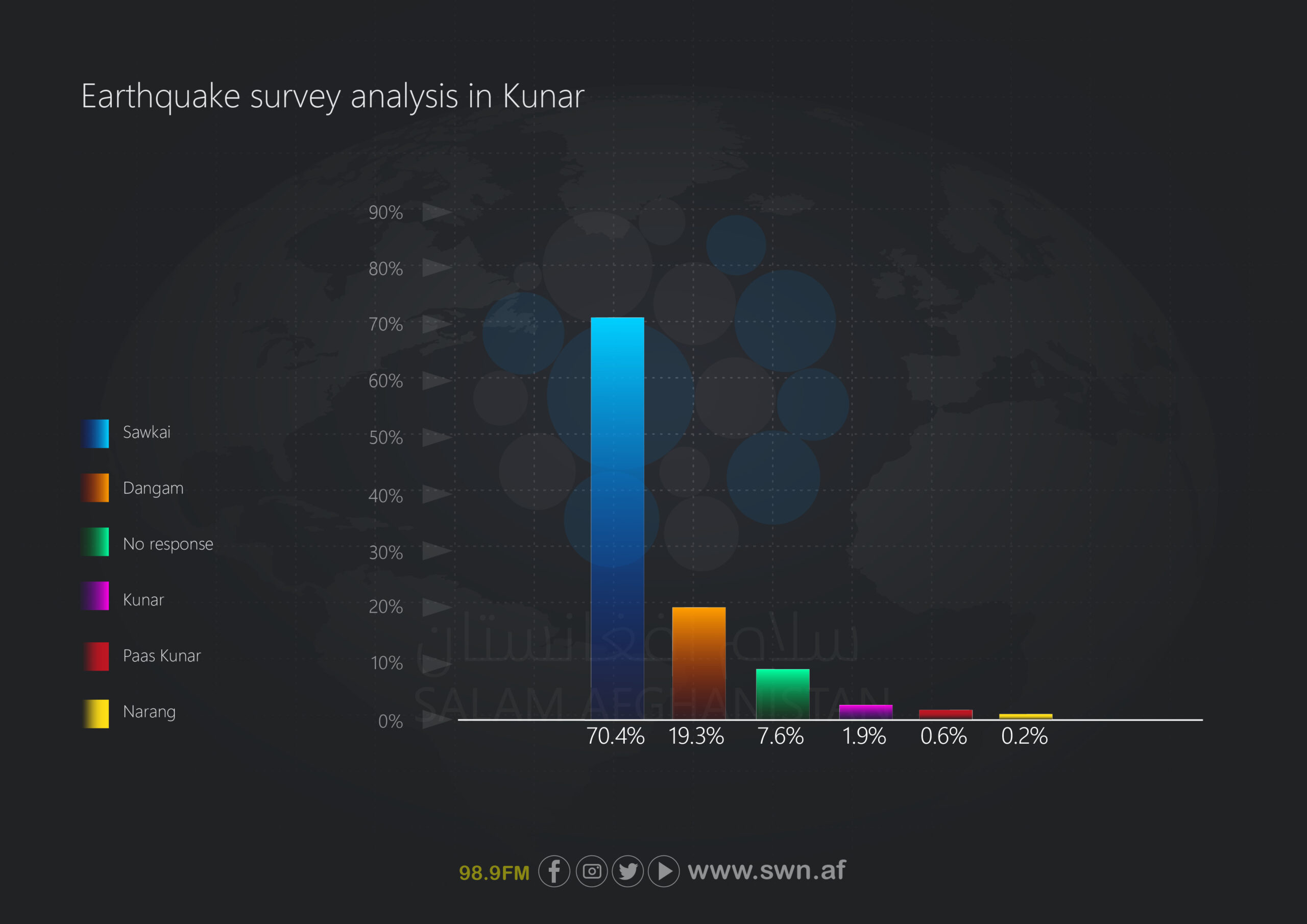
The vast majority of respondents (1,000, 94.3%) lived in mountainous and rocky areas. Only 37 respondents (3.5%) lived in valleys, and 13 respondents (1.2%) lived in forested areas.
Age group
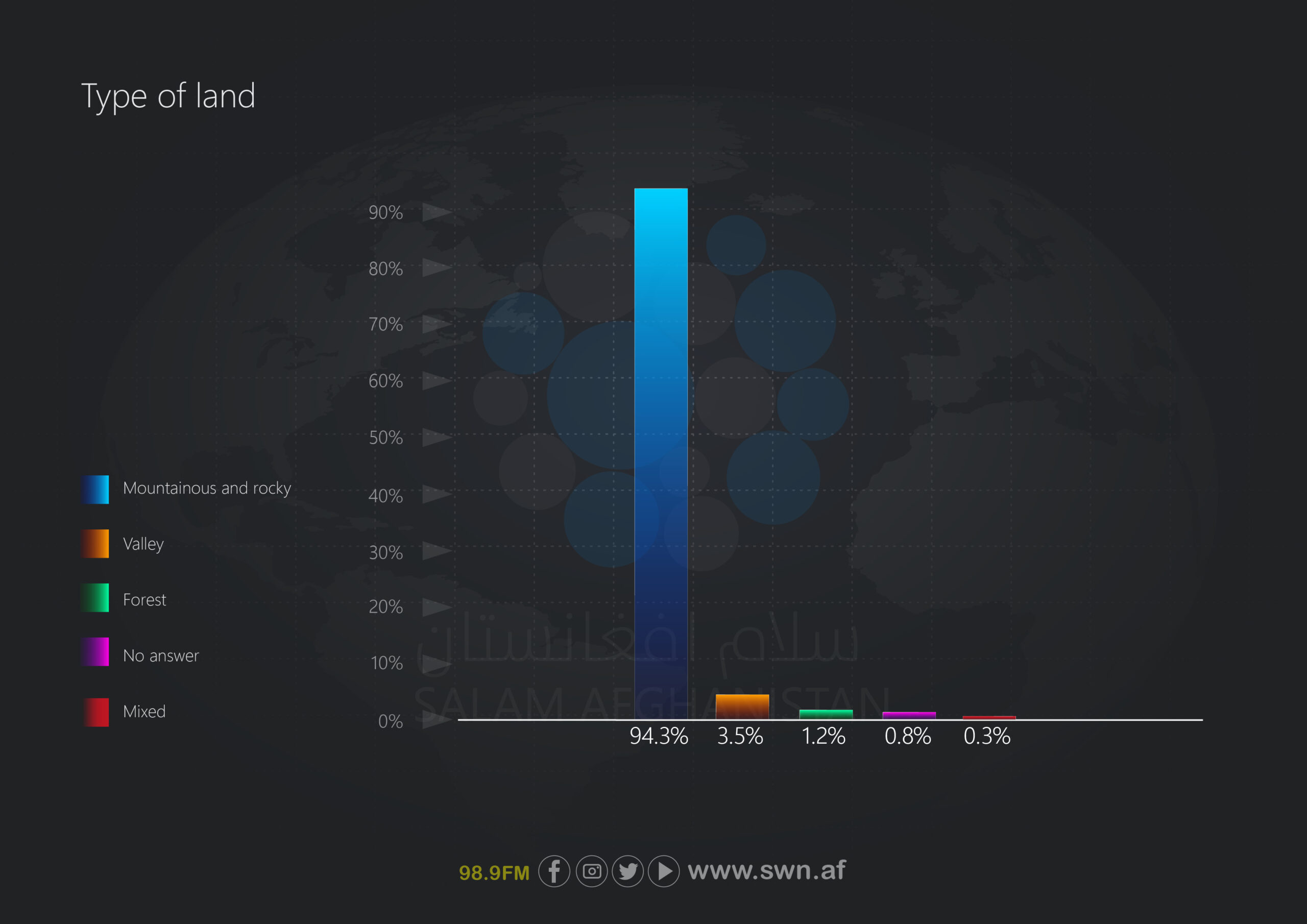
The largest age group among respondents was 18 to 25 years, with 353 individuals (33.3%). This was followed by the 26 to 35 age group with 303 respondents (34.6%) and the 36 to 45 age group with 187 respondents (23.5%). Elderly individuals over 65 years old accounted for only 28 respondents (2.6%).
Gender
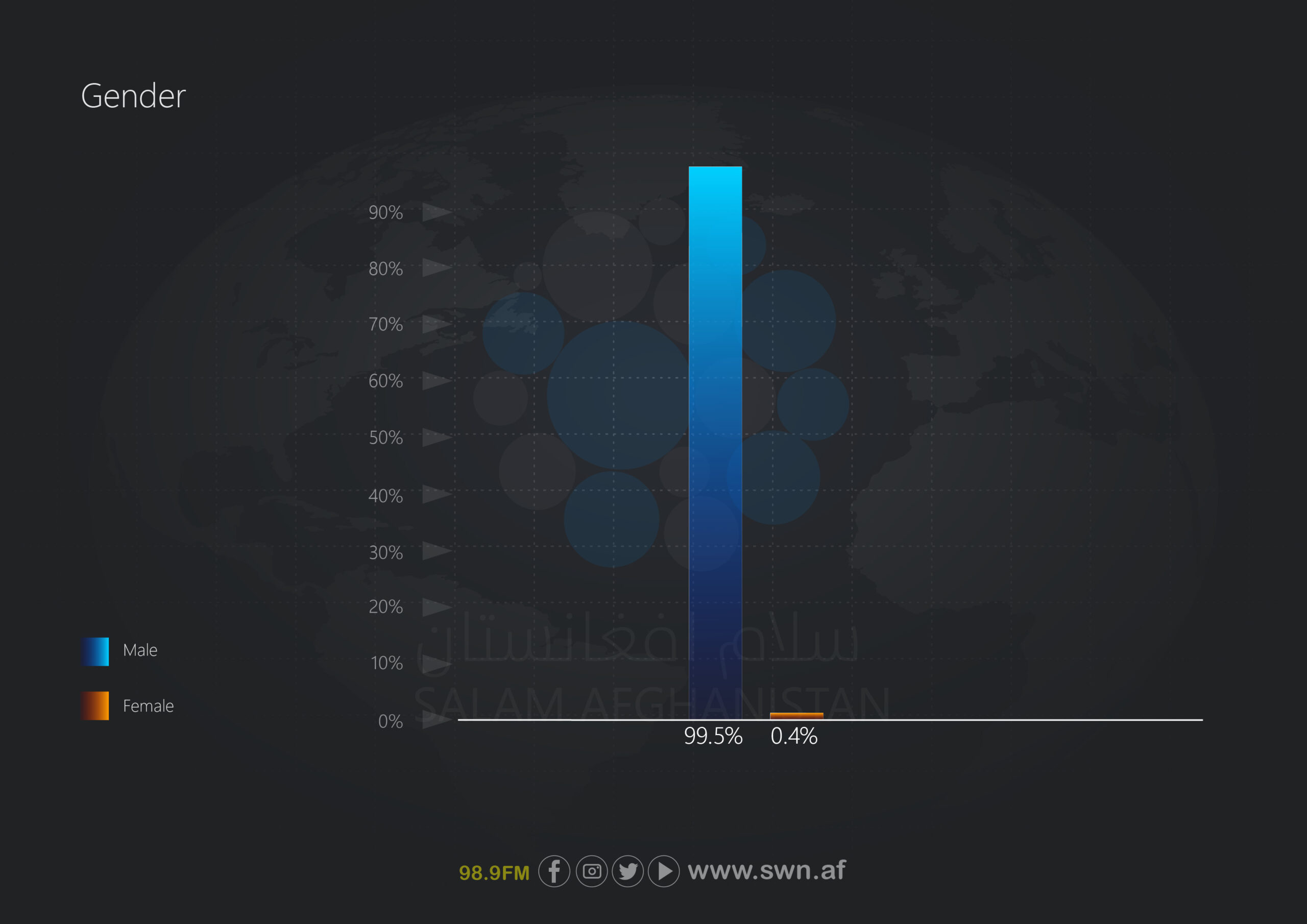
The vast majority of respondents were men, totaling 1,057 individuals (99.5%), while only four women (0.4%) participated in the survey.
Education level
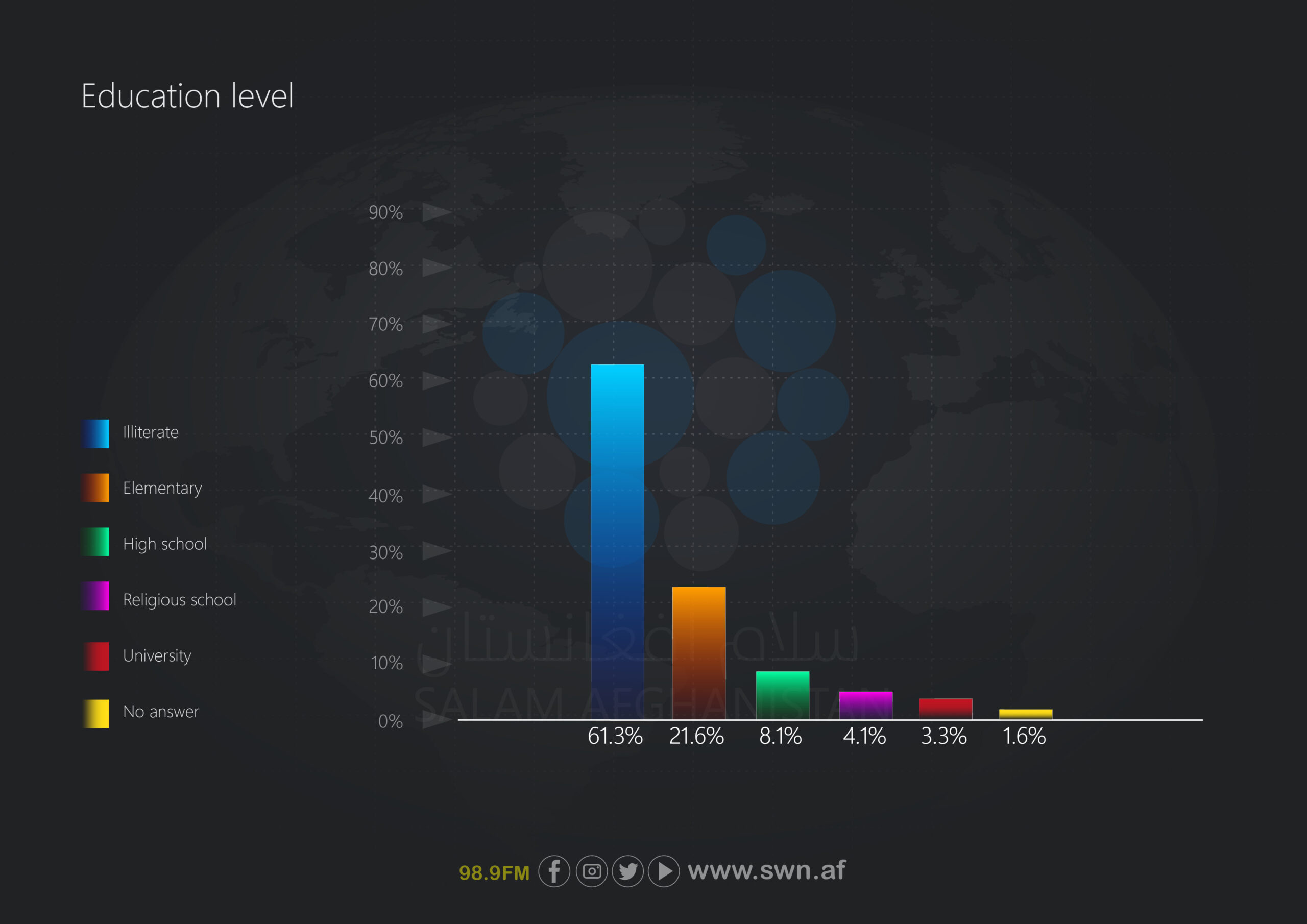
Most respondents were illiterate, accounting for 650 individuals (61.3%). Among the remaining participants, 229 (21.6%) had completed primary education, 86 (8.1%) had finished high school, 44 (4.1%) attended religious schools, and only 35 (3.3%) had higher education.
Occupation
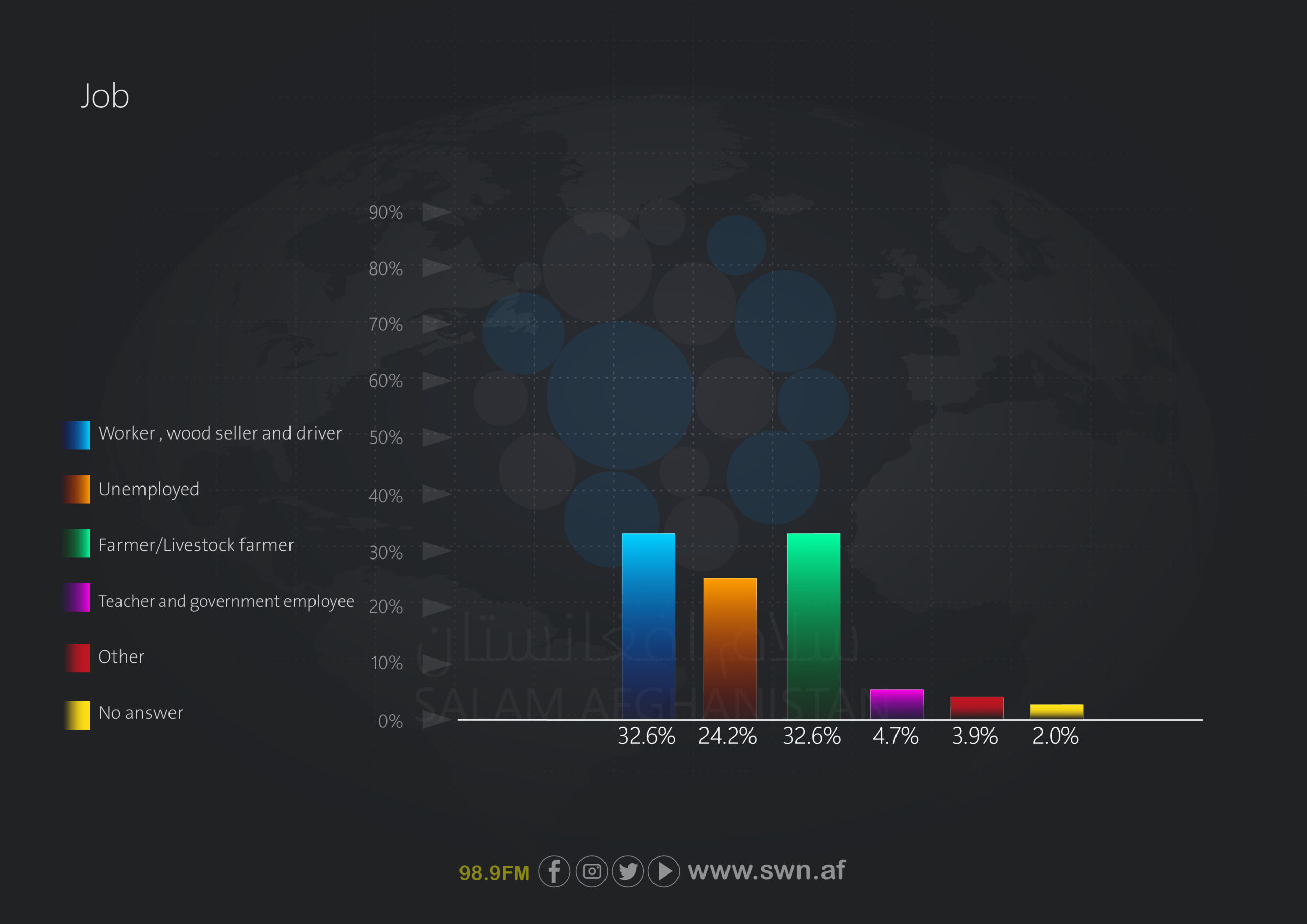
The respondents were primarily workers, wood sellers, and drivers (346 individuals, 32.6%) as well as livestock herders and farmers (346 individuals, 32.6%). Additionally, 257 respondents (24.2%) were unemployed, and 50 (4.7%) worked as teachers or government employees.
Section one: Deaths and injuries
Deaths
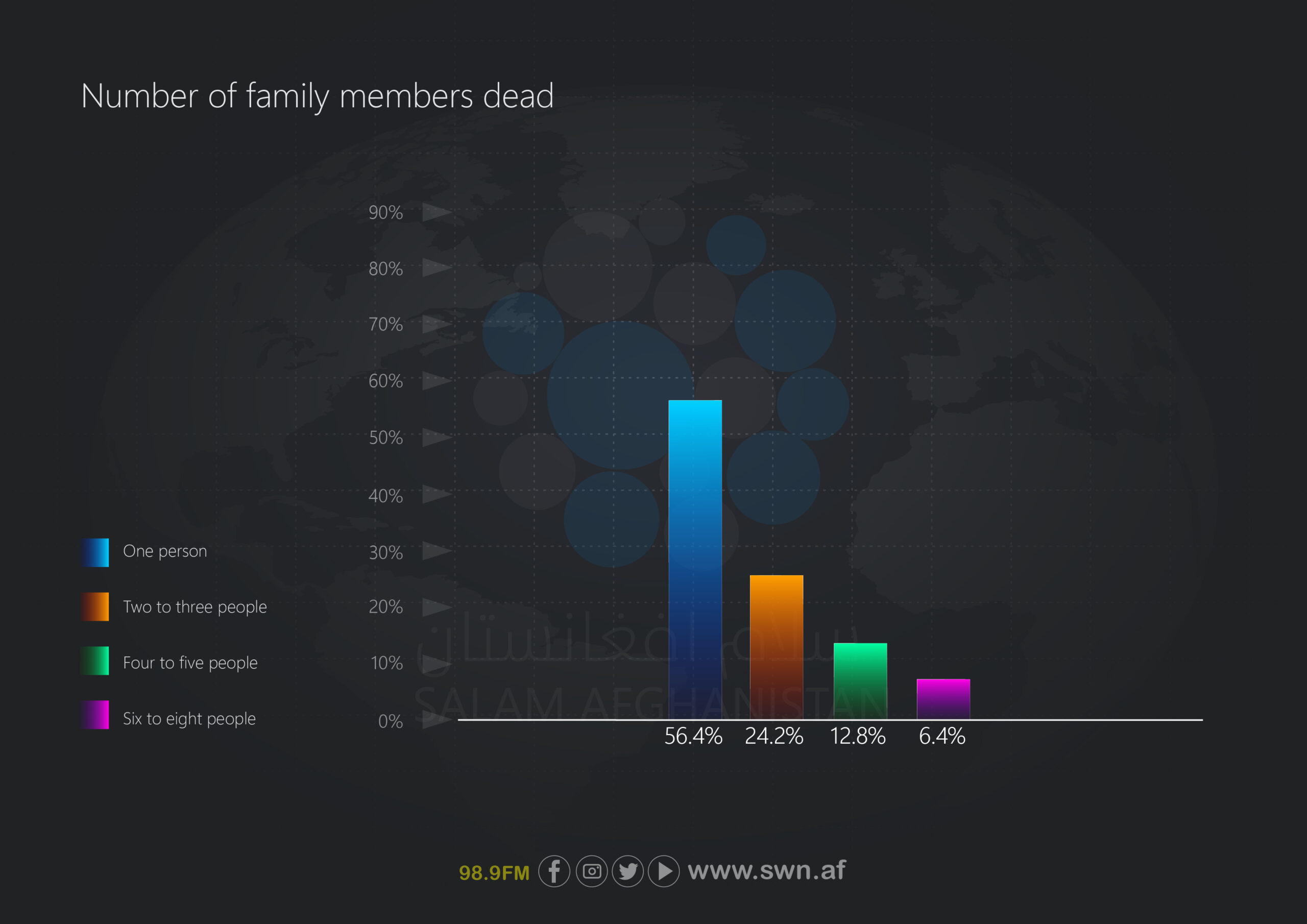
Among the families that experienced fatalities, 65 families (56.4% of the total) lost one person, 34 families (24.2%) lost two to three people, 18 families (12.8%) lost four to five people, and 13 families (9.2%) lost more than eight people.
Injuries
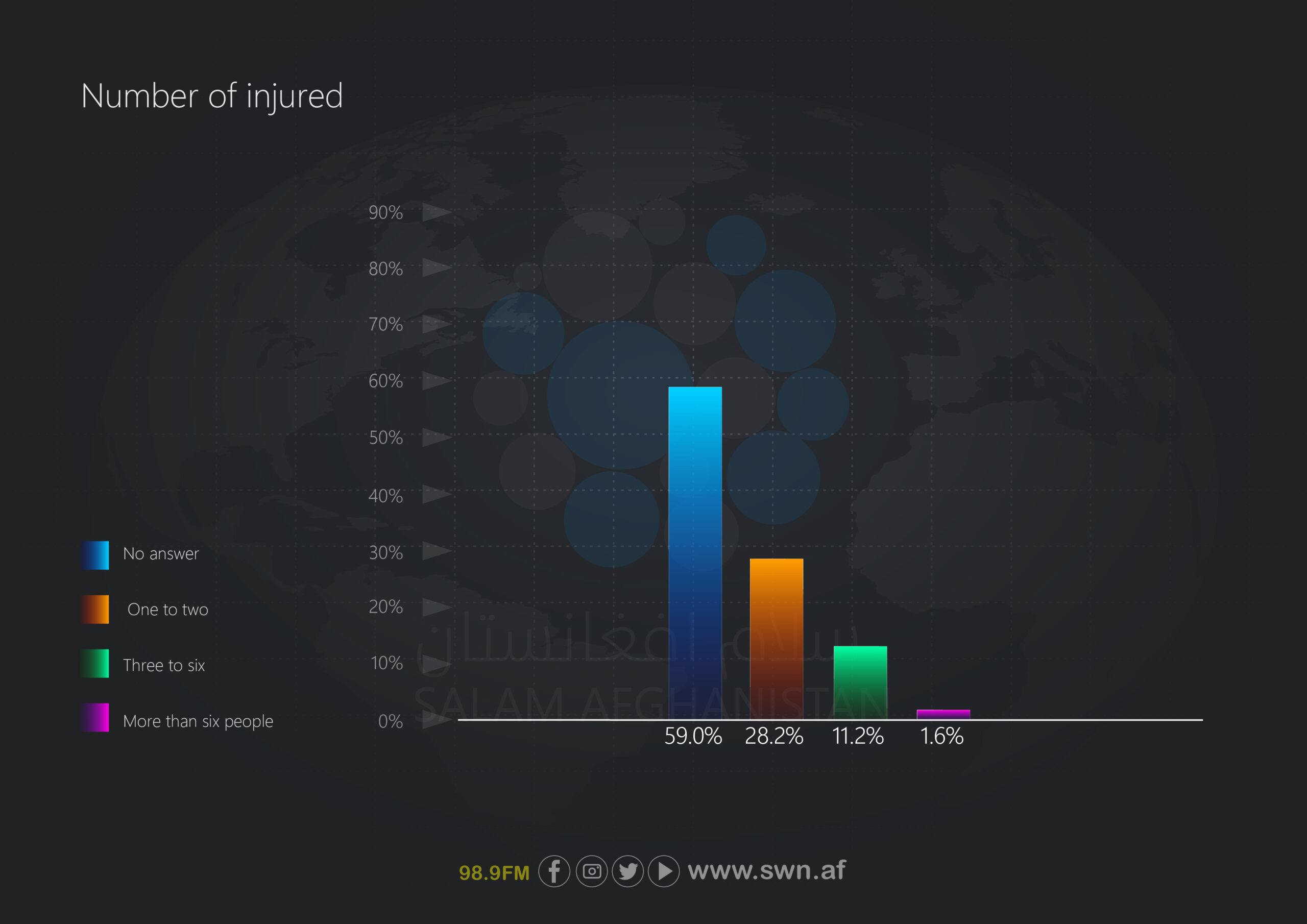
More than half of the families (626 individuals, 59.0%) reported no injuries. Among the remaining families, 28.2% had one to two injured members, 11.2% had three to six injured members, and 1.6% had more than six injured members.
Section two: Displacement and housing
Displacement
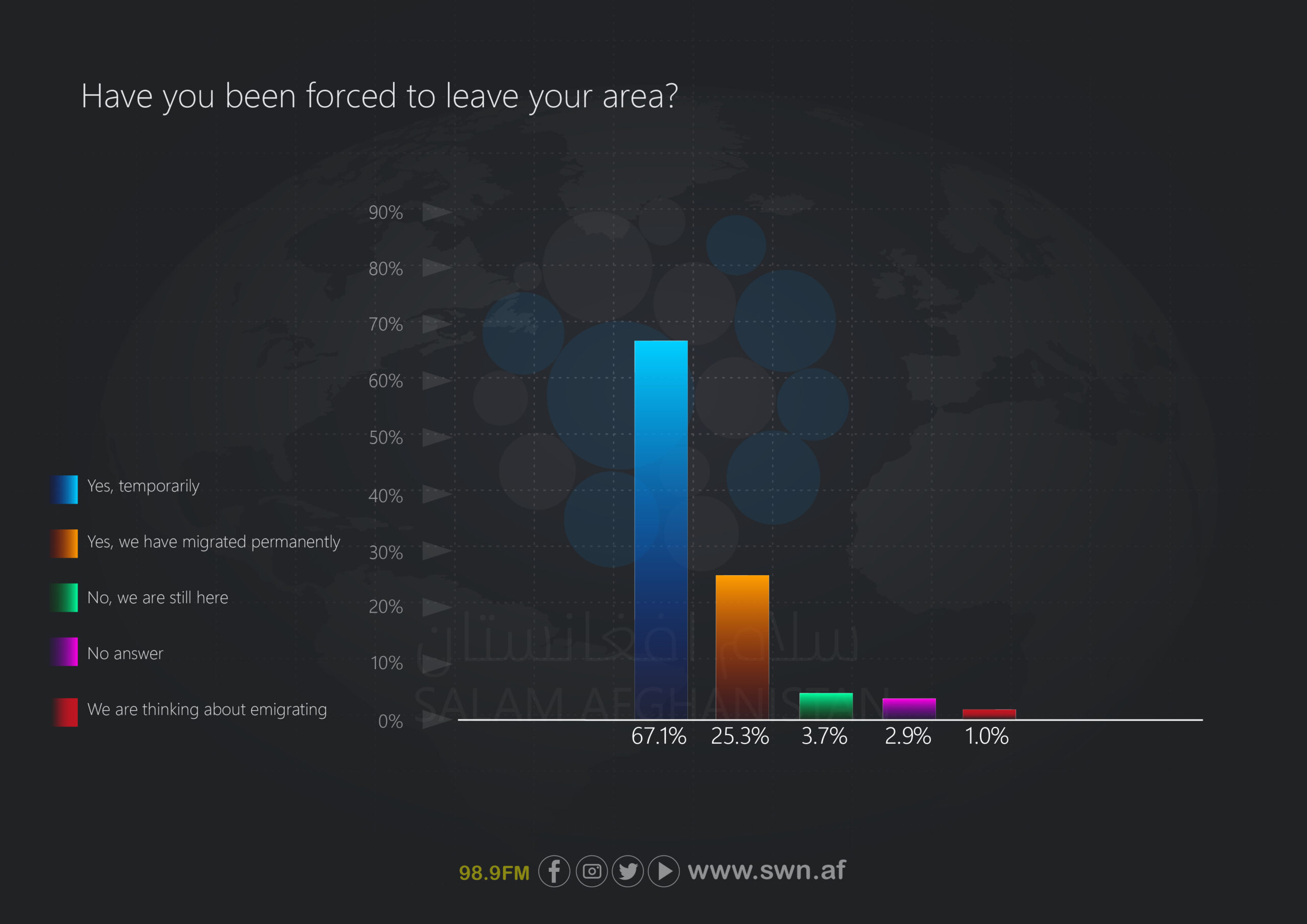
The vast majority of people were forced to leave their homes. Of these, 712 individuals (67.1%) were temporarily displaced, 268 individuals (25.3%) were permanently displaced, and only 39 individuals (3.7%) remained in their original homes.
Current place of residence
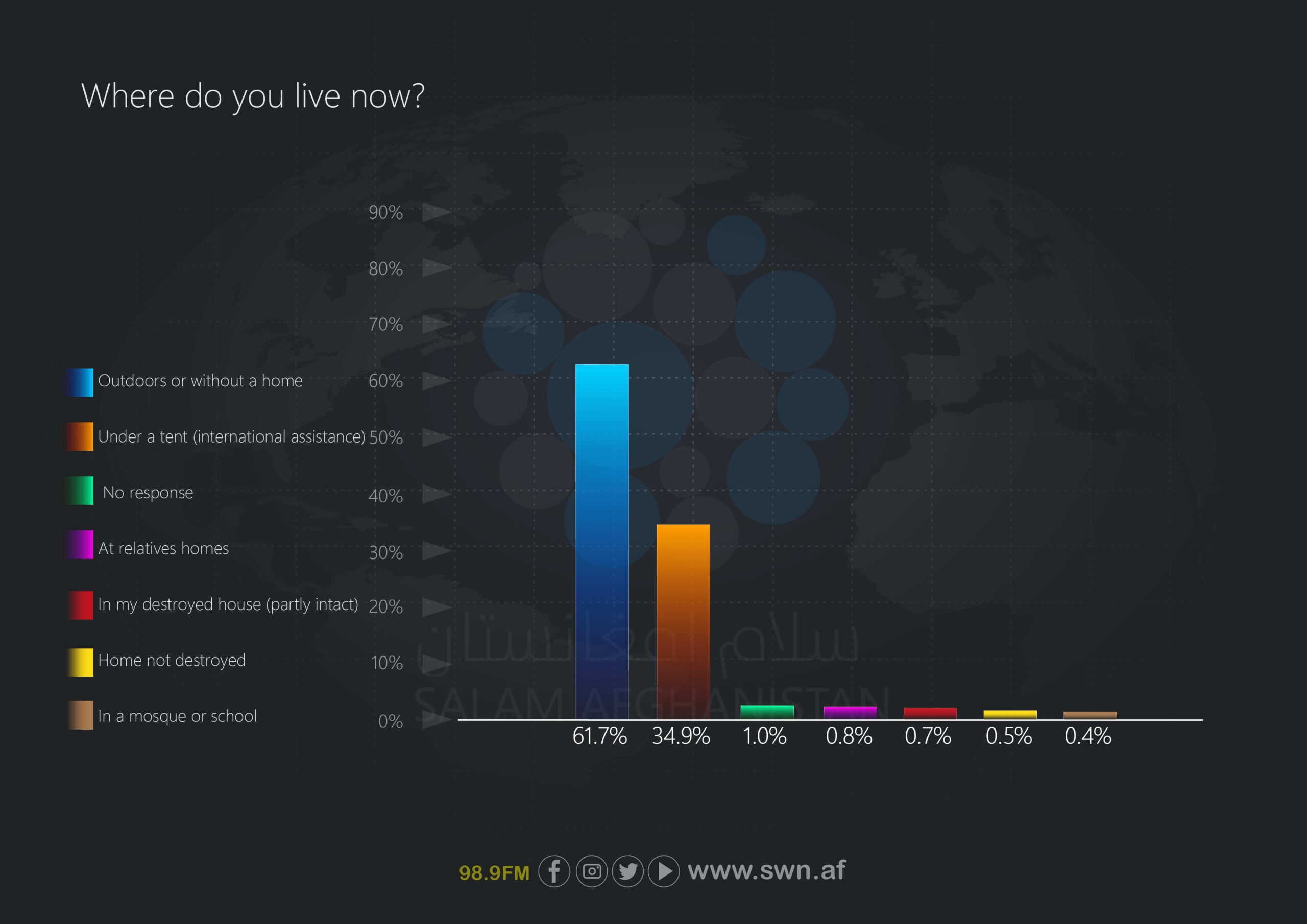
Most of the affected population were living in extremely difficult conditions. A total of 655 individuals (61.7%) were living outdoors or without any shelter, while 370 individuals (34.9%) were accommodated in tents provided through international assistance. Only 5 individuals (0.5%) remained in intact homes.
Earthquake-related losses
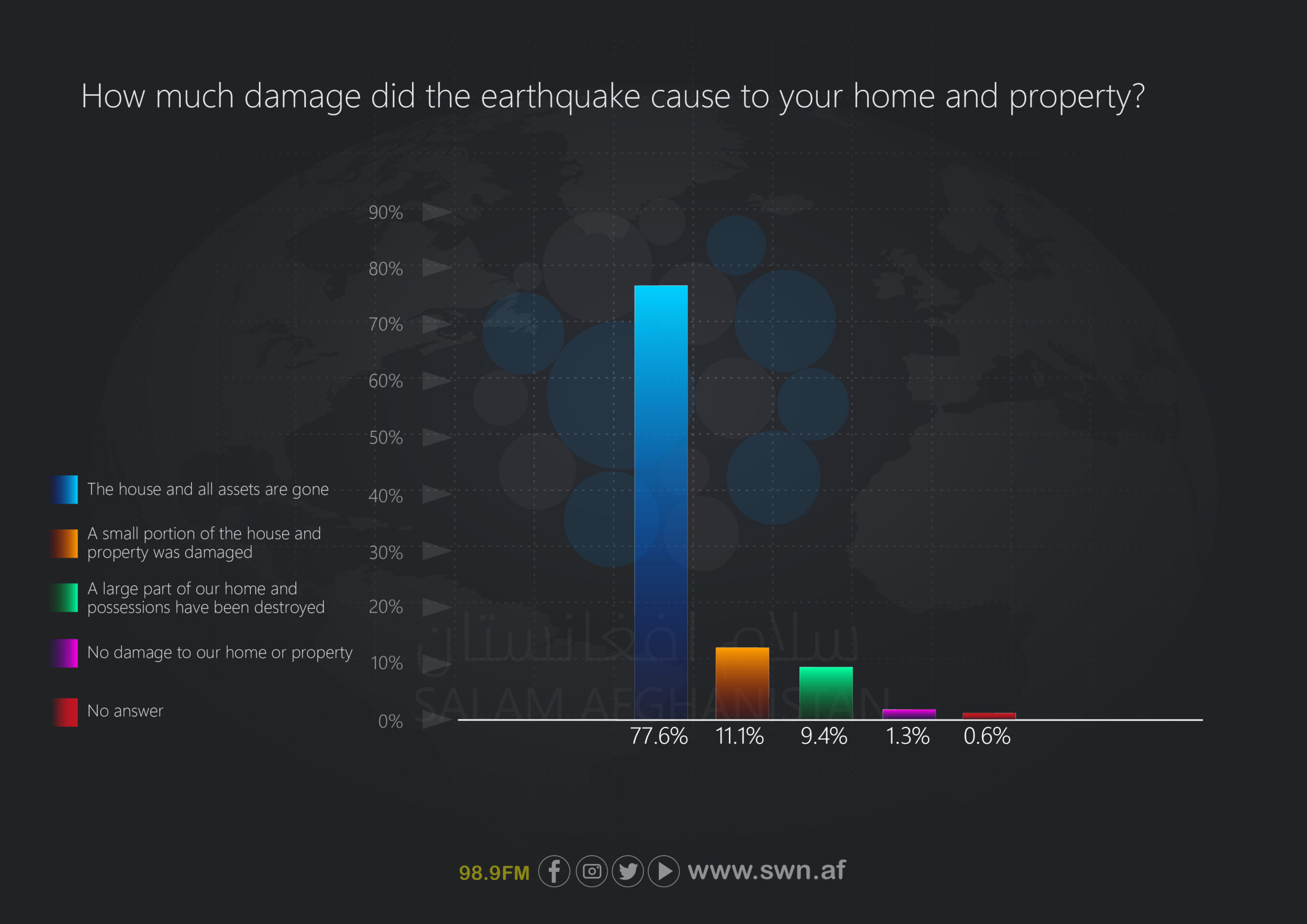
Most people (823 individuals, 77.6%) reported losing their homes and all of their possessions. One hundred individuals (9.4%) lost most of their homes and property, and 118 individuals (11.1%) experienced minor damage. Only 14 individuals (1.3%) reported no damage.
Section three: environment and natural resources
Water resources
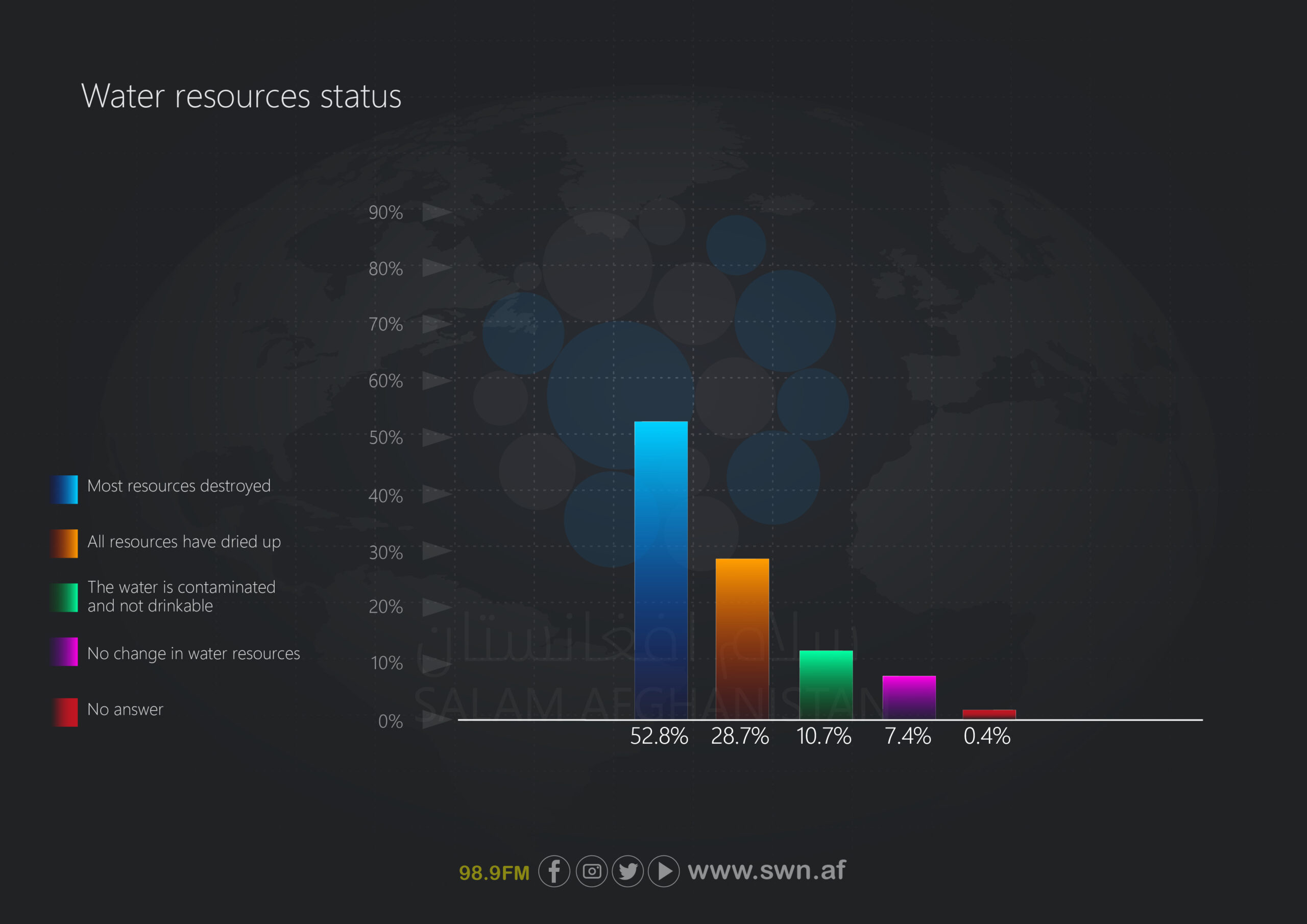
The water situation in the region was critical. A total of 560 respondents (52.8%) reported that most water sources were destroyed, 304 respondents (28.7%) reported that all water sources had dried up, and 114 respondents (10.7%) reported that the water had become contaminated and undrinkable. Only 79 respondents (7.4%) reported no change in water resources.
Agricultural land
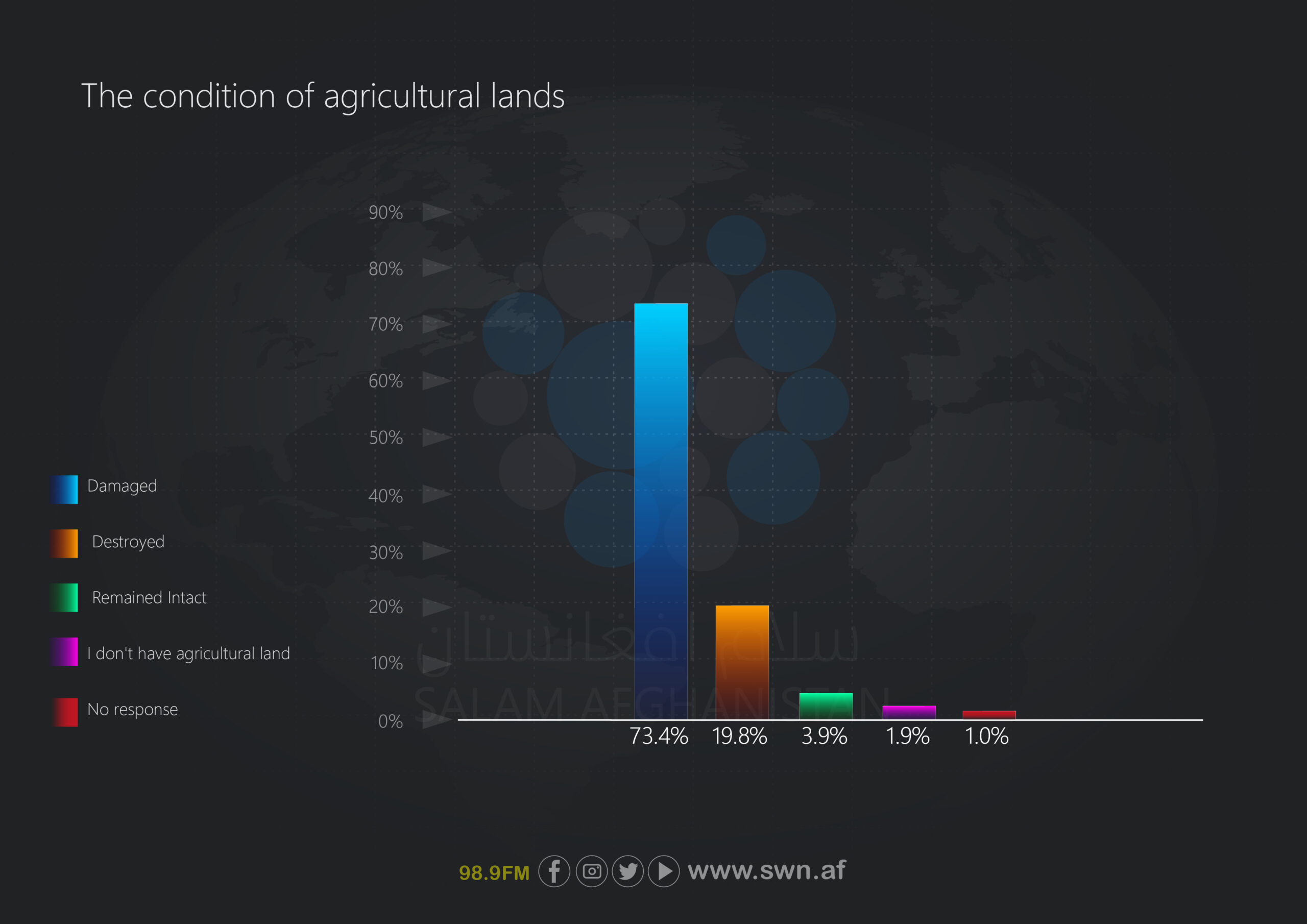
The agricultural situation was catastrophic. A total of 779 respondents (73.4%) reported that their land was partially destroyed, and 210 respondents (19.8%) reported that their land was completely lost. Only 41 respondents (3.9%) reported that their land remained intact.
Livestock
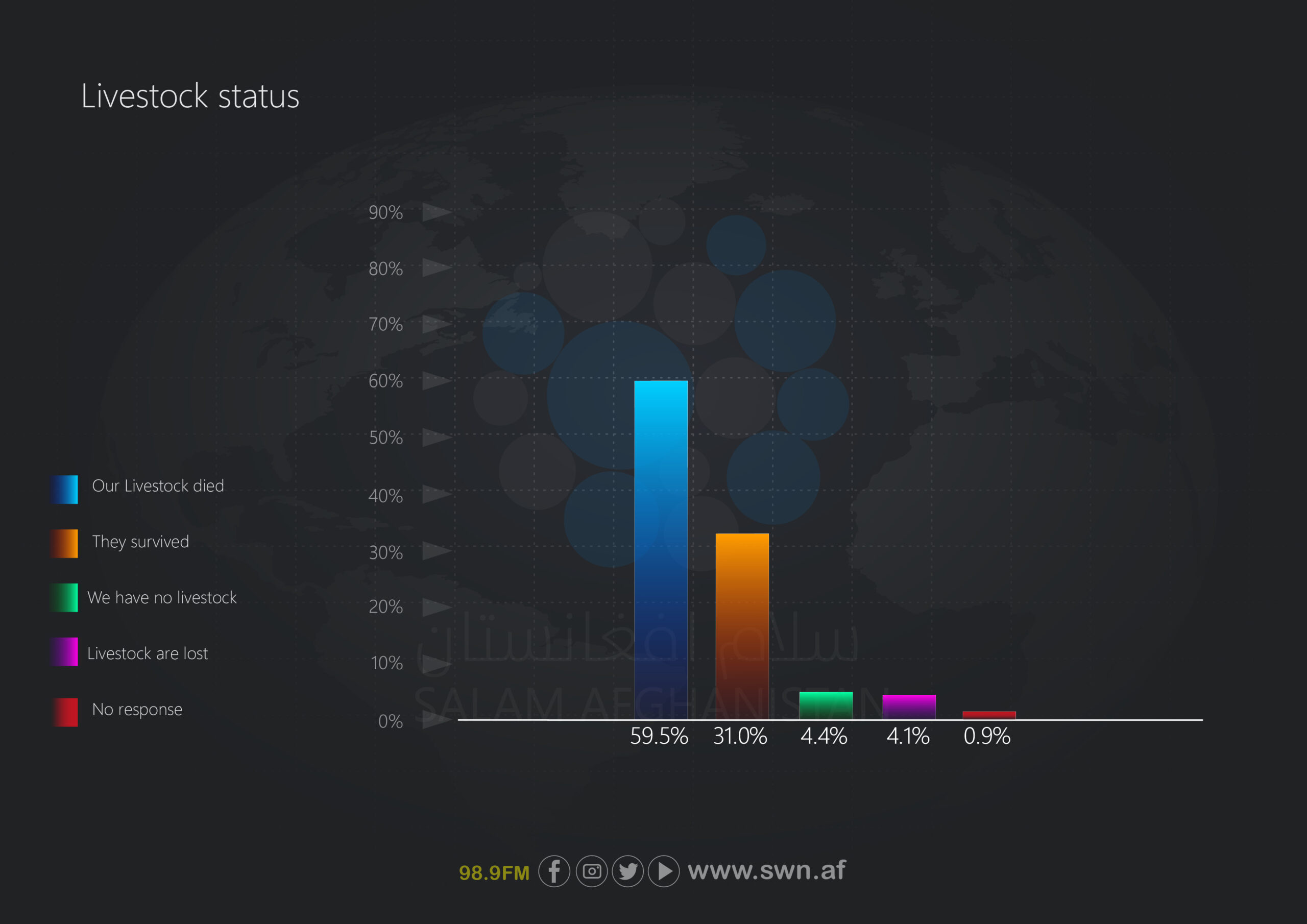
Most livestock perished, with 631 respondents (59.5%) reporting losses. A total of 329 respondents (31.0%) reported having healthy livestock, 44 respondents (4.1%) reported missing livestock, and 47 respondents (4.4%) did not own any livestock.
Section four: Education
Status of schools
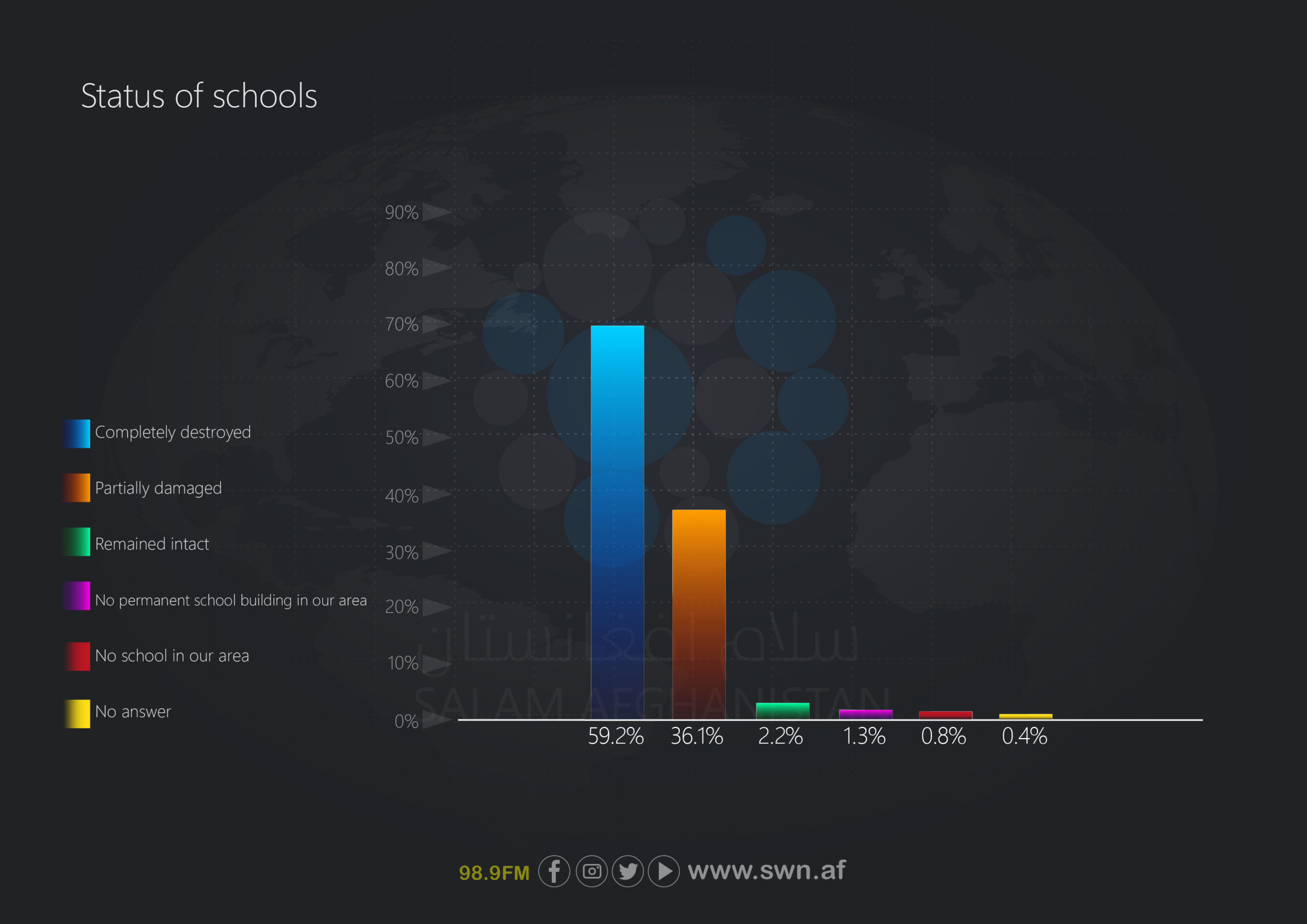
Most schools were completely destroyed, with 628 respondents (59.2%) reporting total damage. A total of 383 respondents (36.1%) reported partial damage, and only 23 respondents (2.2%) reported that their schools remained intact.
Children’s learning locations
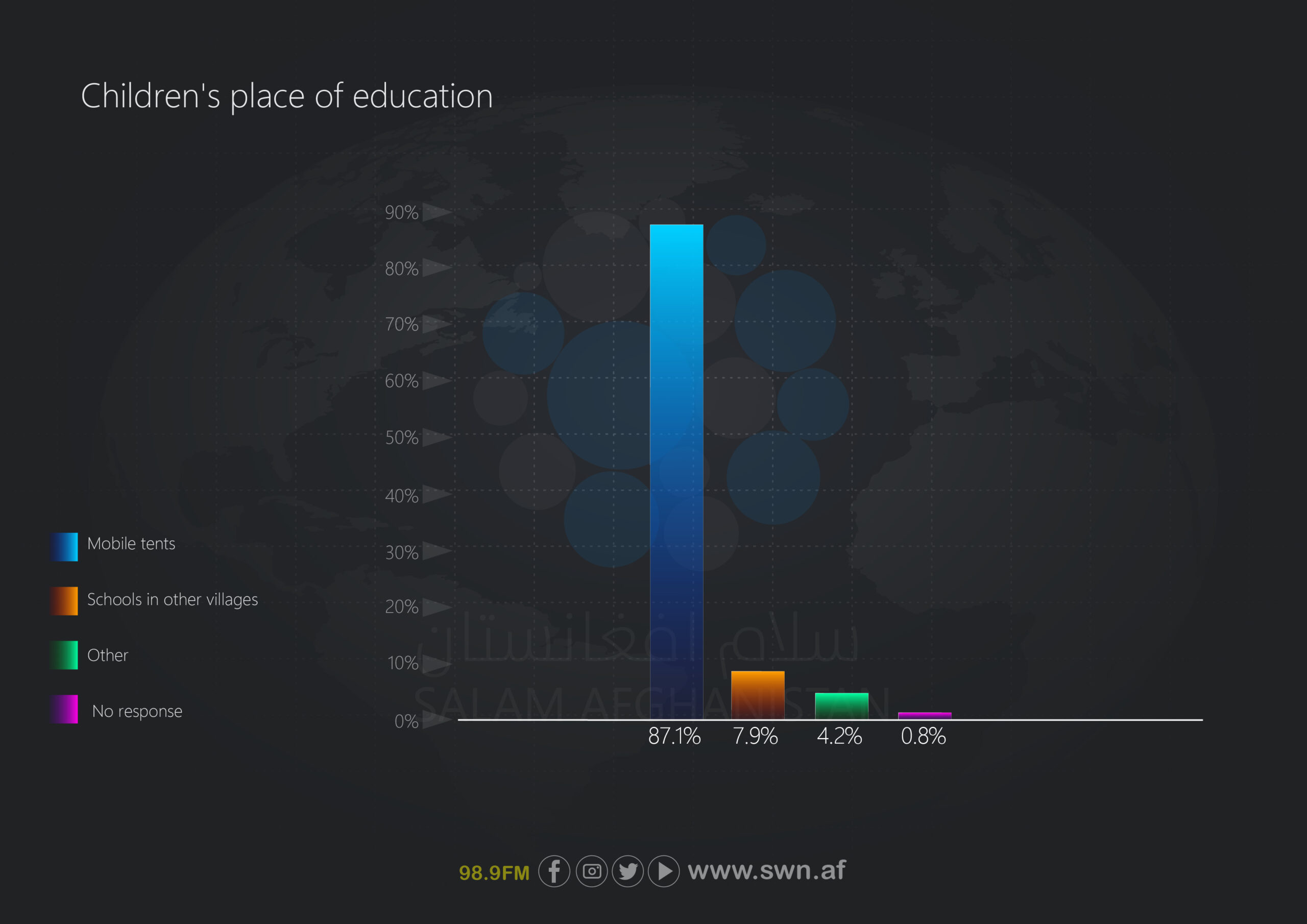
The majority of children (924 individuals, 87.1%) were receiving education in temporary tents. A total of 84 children (7.9%) attended schools in other villages.
Section five: received assistance
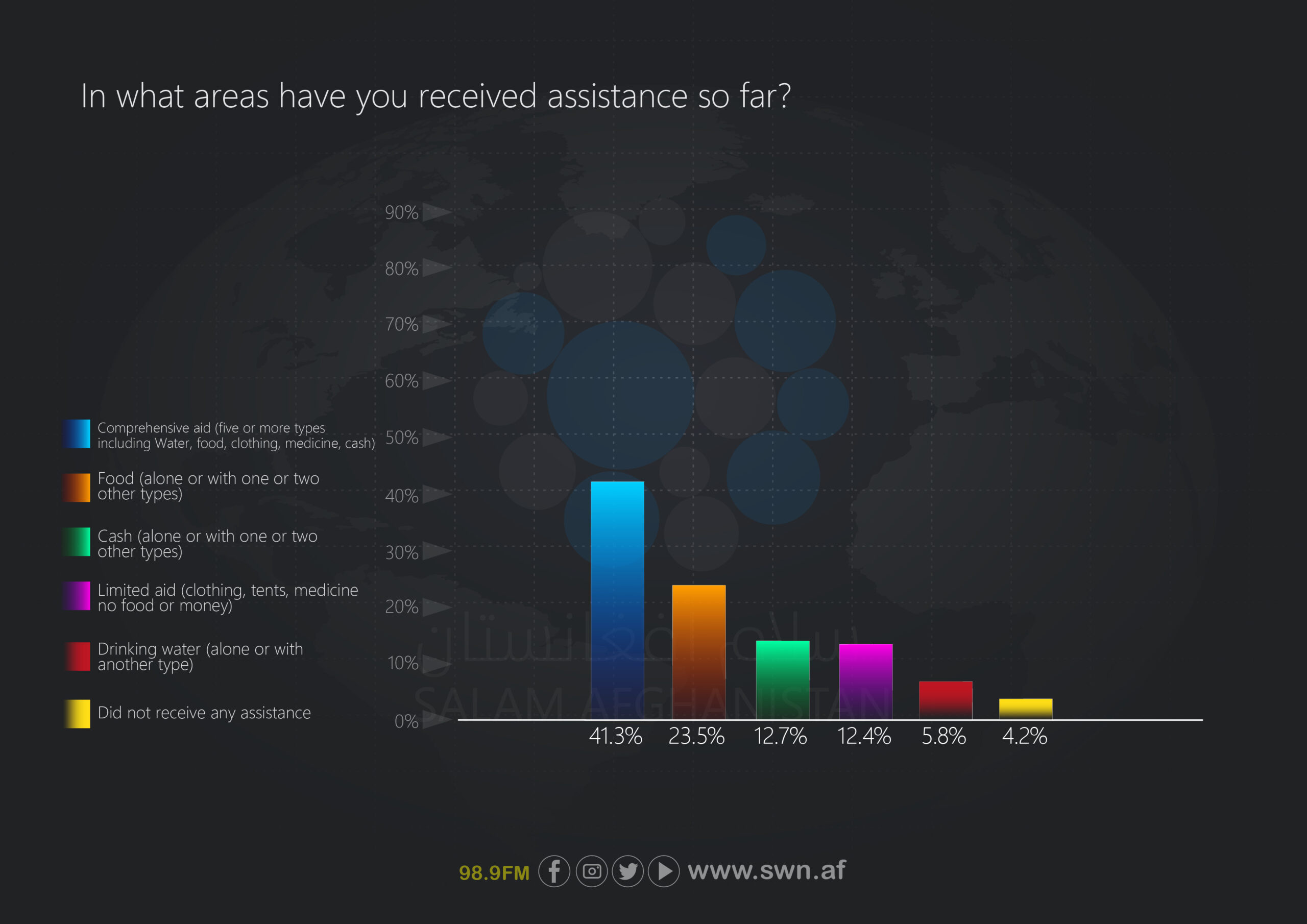
A total of 438 respondents (41.3%) received comprehensive aid, including water, food, clothing, medicine, and cash. Another 249 respondents (23.5%) received mainly food, 135 respondents (12.7%) received cash, and 132 respondents (12.4%) received limited assistance. 45 respondents (4.2%) reported receiving no aid at all.
Source of assistance
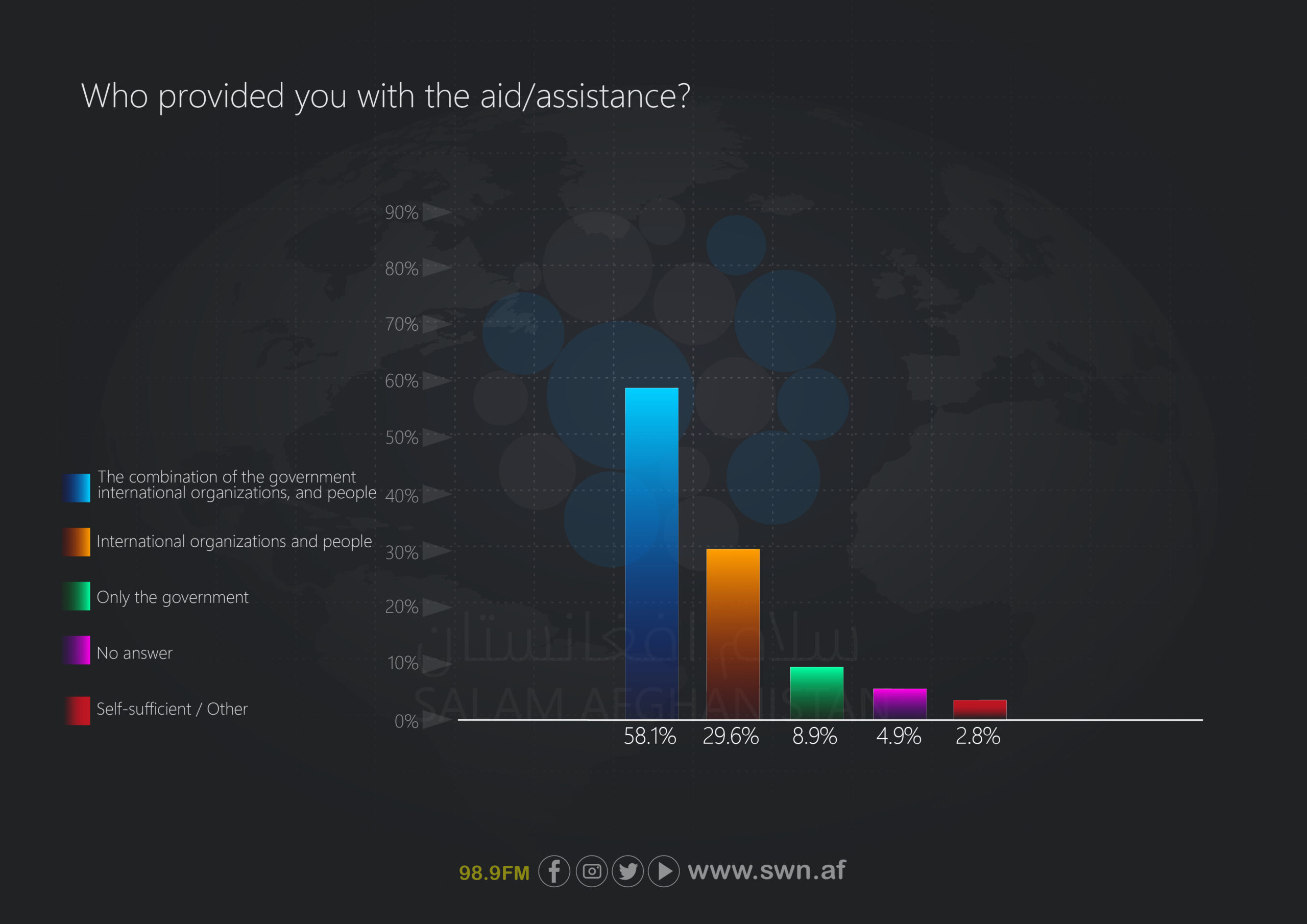
The majority of aid came from a combination of the Afghan government, international organizations, and the local community (616 respondents, 58.1%). A total of 314 respondents (29.6%) received assistance from international organizations and the community, while 94 respondents (8.9%) received aid solely from the government.
Quality of assistance
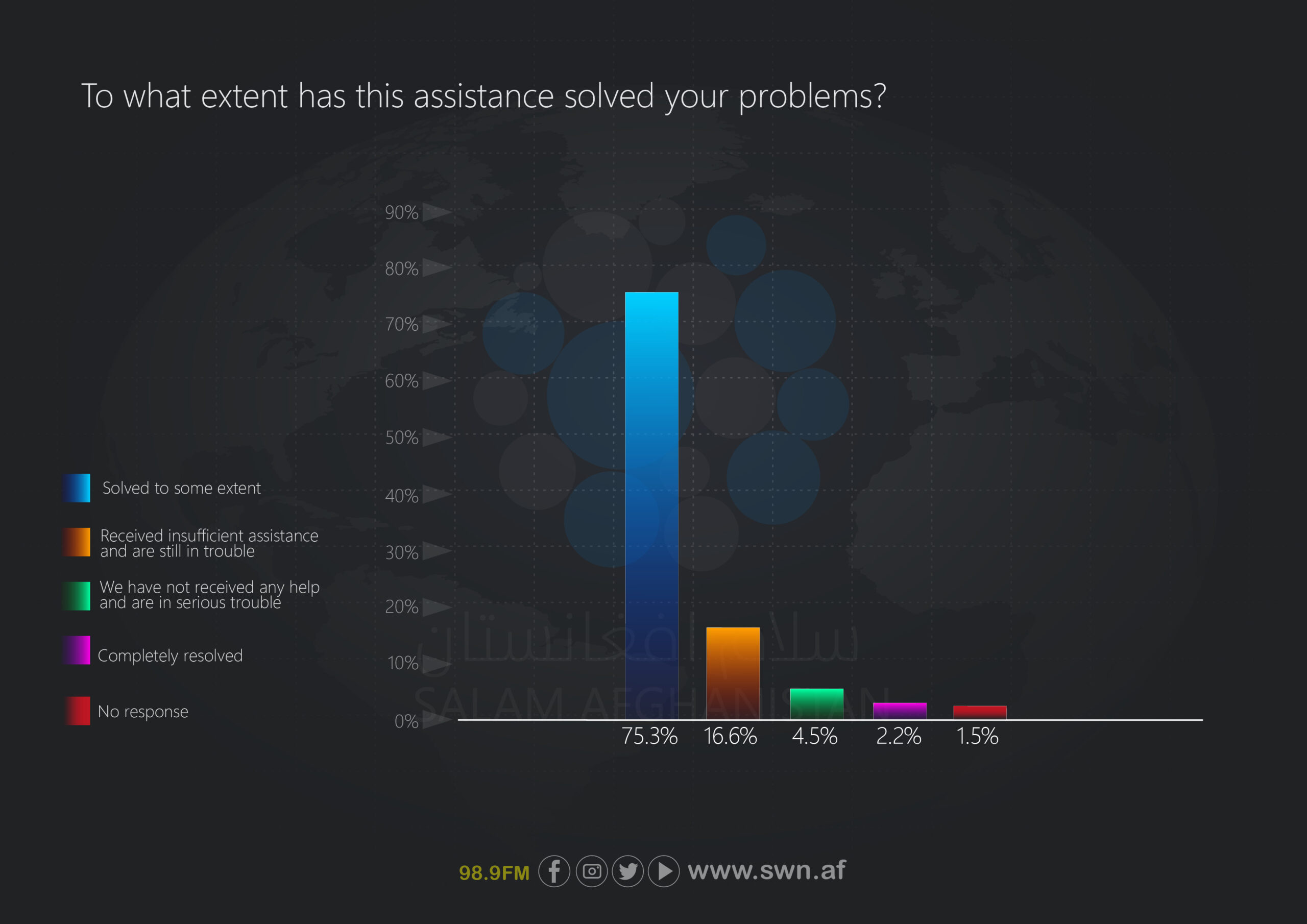
The majority of respondents (799 individuals, 75.3%) stated that the aid partially addressed their problems. A total of 176 respondents (16.6%) reported that, despite receiving aid, they were still facing significant difficulties, and 47 respondents (4.5%) had received no assistance and were in severe distress. Only 23 respondents (2.2%) reported that their problems had been fully resolved.
Section six: food security and health
Access to food
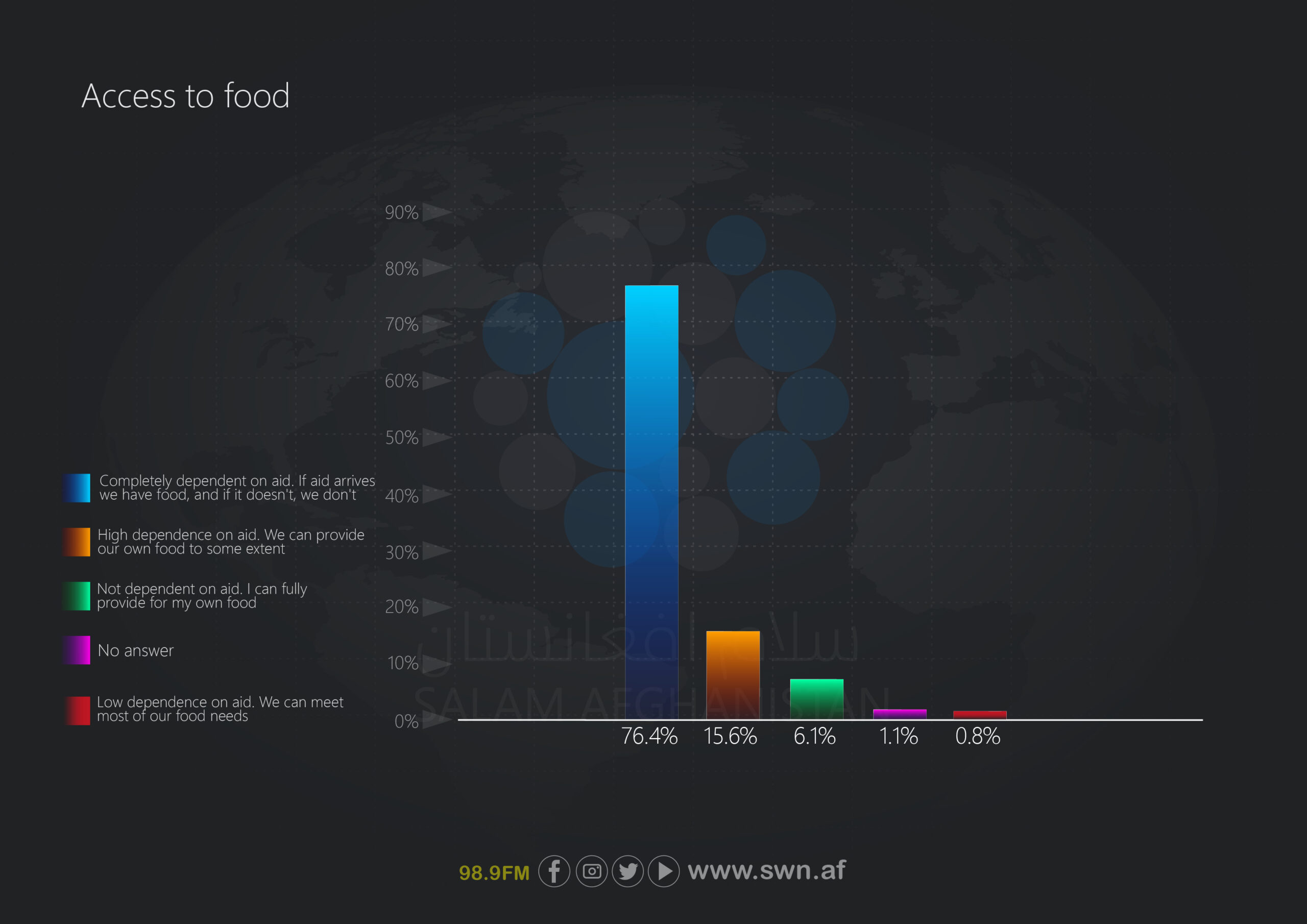
Dependence on aid was very high. A total of 811 respondents (76.4%) were entirely dependent on assistance—they had food only when aid was delivered. Another 165 respondents (15.6%) were largely dependent but could partially provide for themselves. Only 65 respondents (6.1%) were fully self-sufficient.
Illnesses
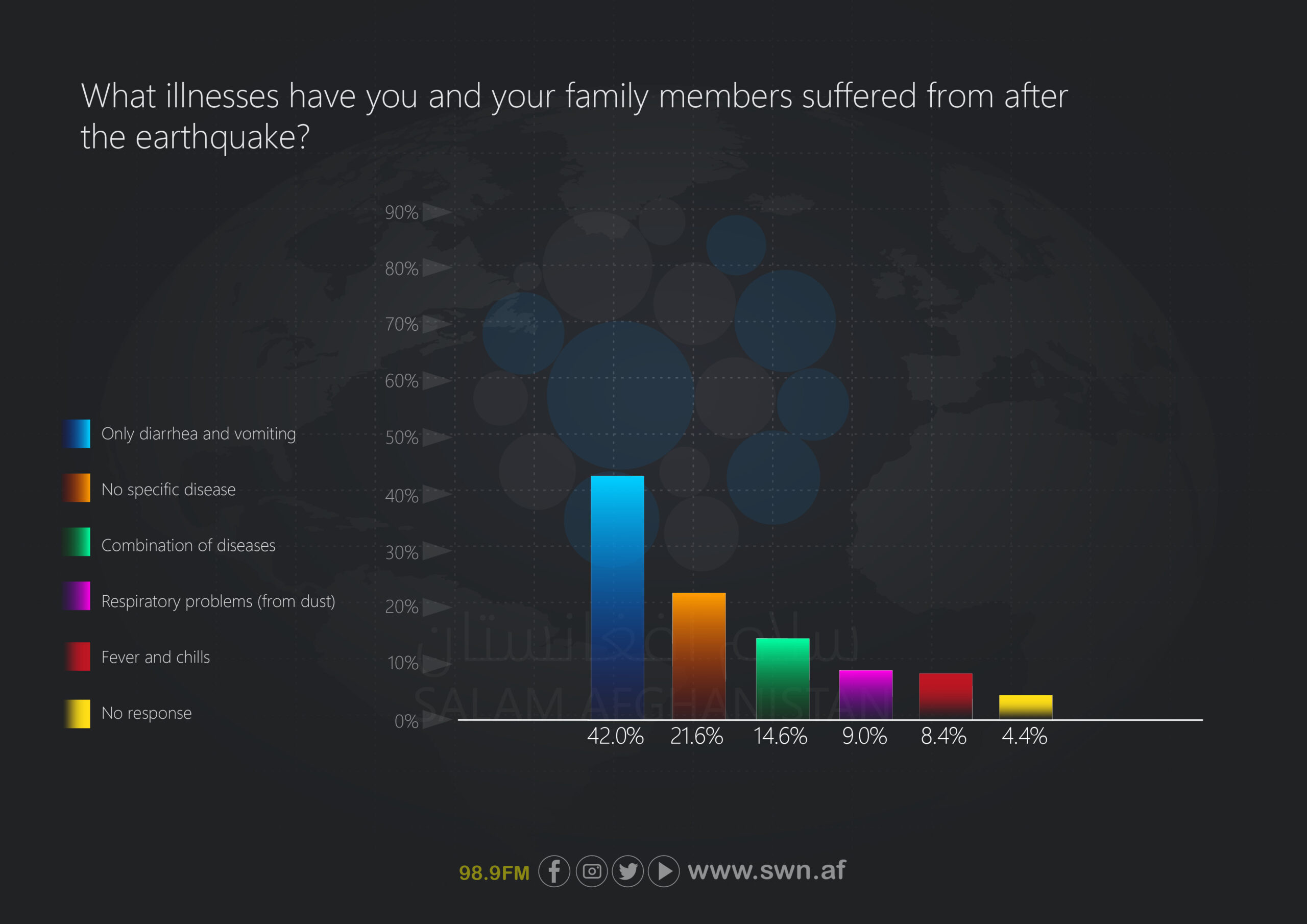
The most common illness was diarrhea and vomiting, reported by 446 respondents (42.0%). A total of 155 respondents (14.6%) experienced a combination of illnesses, 95 respondents (9.0%) suffered from respiratory problems caused by dust, and 89 respondents (8.4%) had fever and chills. Meanwhile, 229 respondents (21.6%) reported no specific illness.
Access to healthcare services
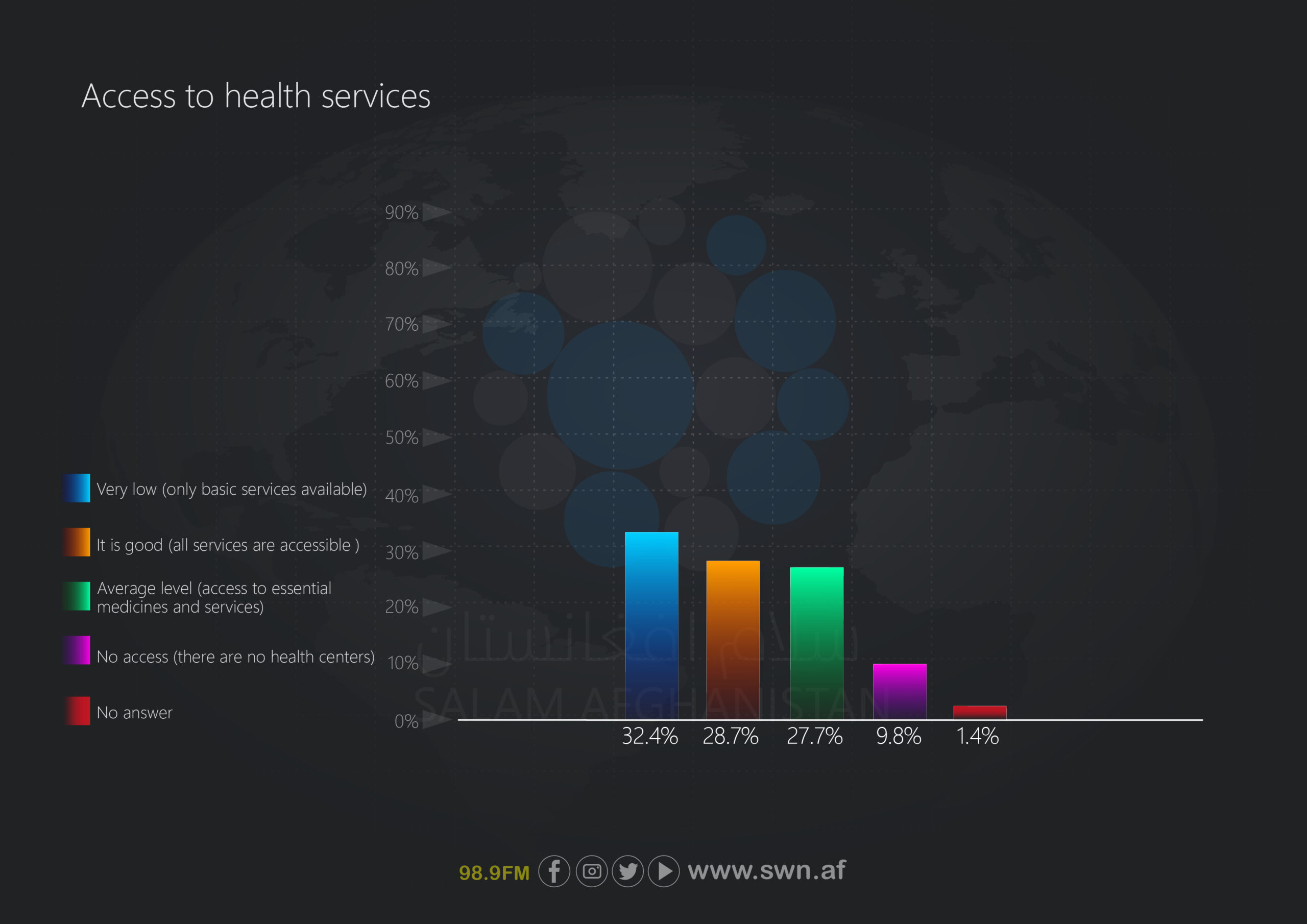
Access to healthcare varied among respondents. A total of 344 individuals (32.4%) had very limited access and could only obtain basic services, 294 individuals (27.7%) had moderate access, 304 individuals (28.7%) had good access, and 104 individuals (9.8%) had no access at all.
Time to reach the nearest healthcare facility
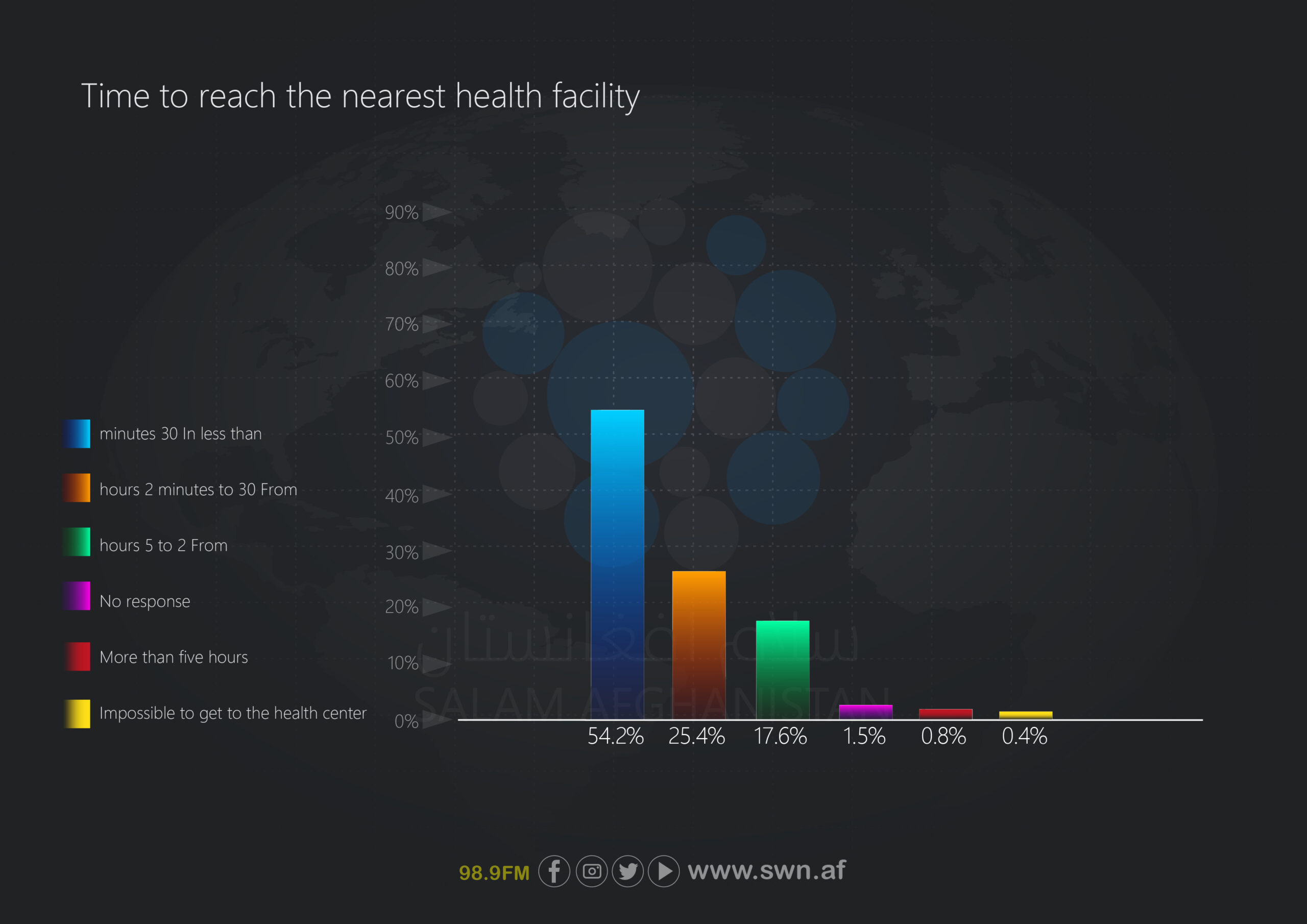
Most respondents (575 individuals, 54.2%) could reach a healthcare center in less than 30 minutes. A total of 270 individuals (25.4%) required 30 minutes to 2 hours, and 187 individuals (17.6%) needed 2 to 5 hours to reach a healthcare facility.
Quality of healthcare services
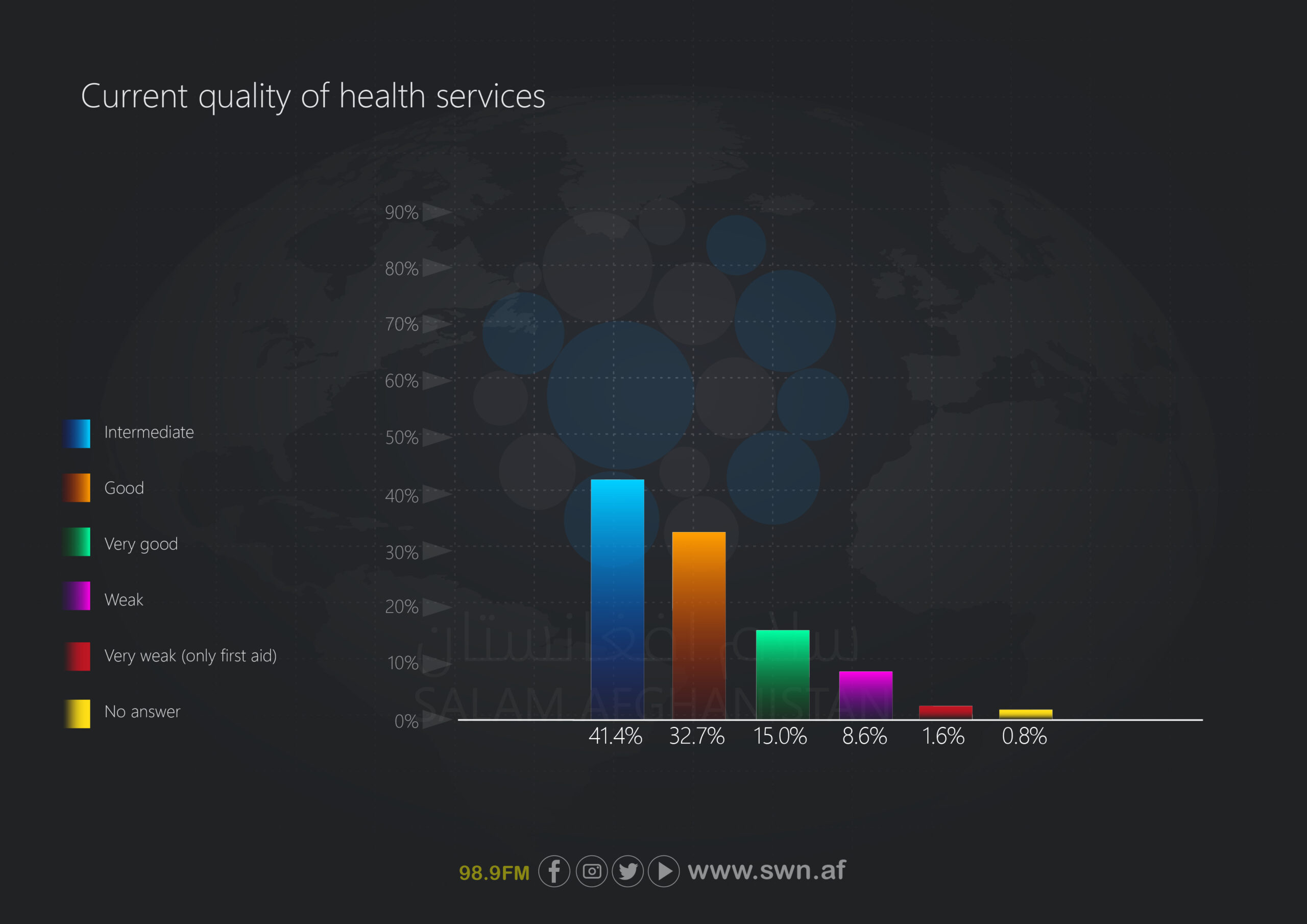
Most respondents (439 individuals, 41.4%) rated the quality of healthcare services as average. A total of 347 individuals (32.7%) rated it as good, 159 individuals (15.0%) as very good, and 91 individuals (8.6%) as poor.
Section seven: mental health and family
Psychological condition of women and children
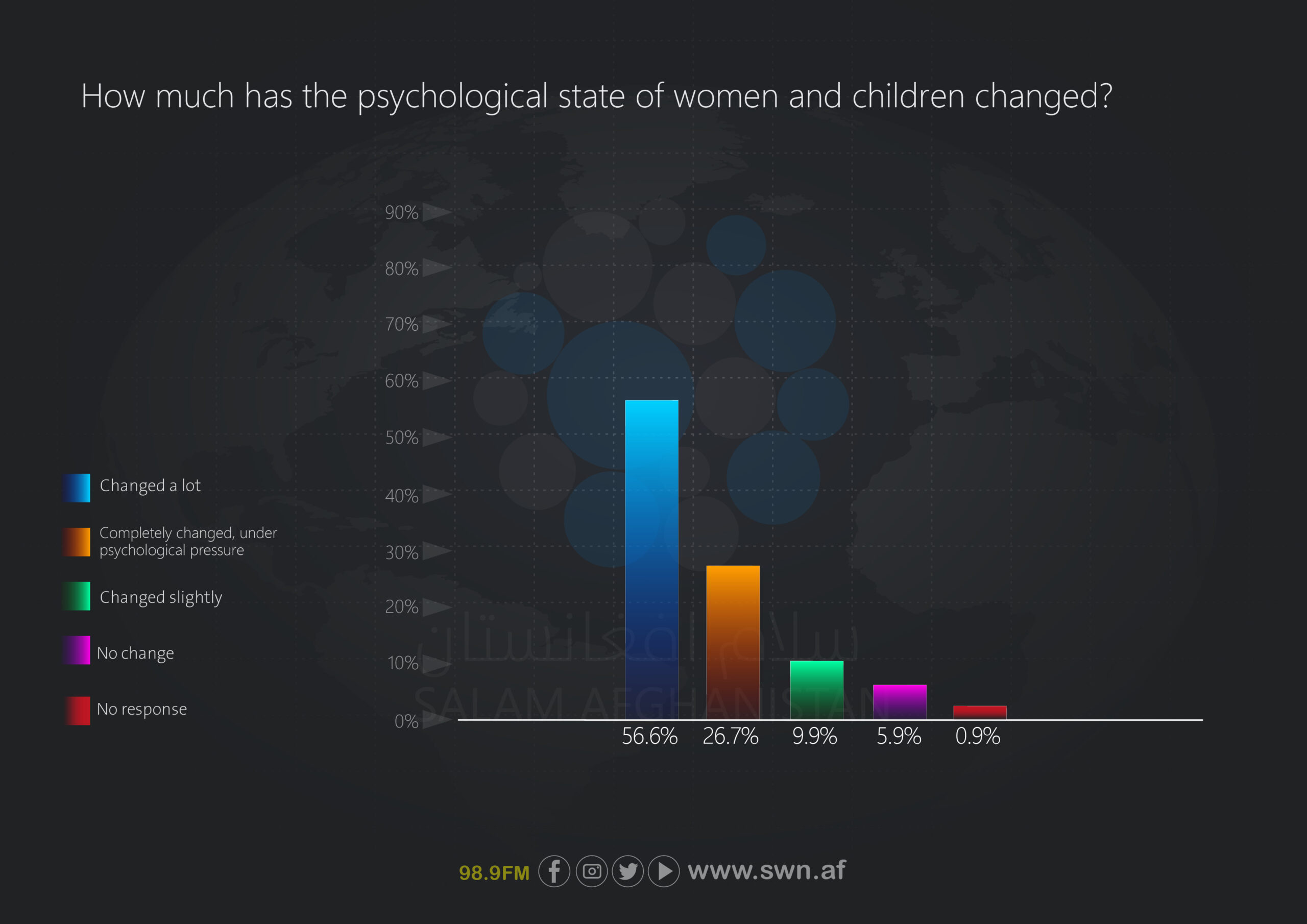
Psychological changes were very severe. A total of 600 individuals (56.6%) experienced significant changes, and 283 individuals (26.7%) were under extreme psychological stress. Meanwhile, 105 individuals (9.9%) experienced minor changes, and 63 individuals (5.9%) reported no psychological changes.
Section eight: maternal AND child health
Pregnant women
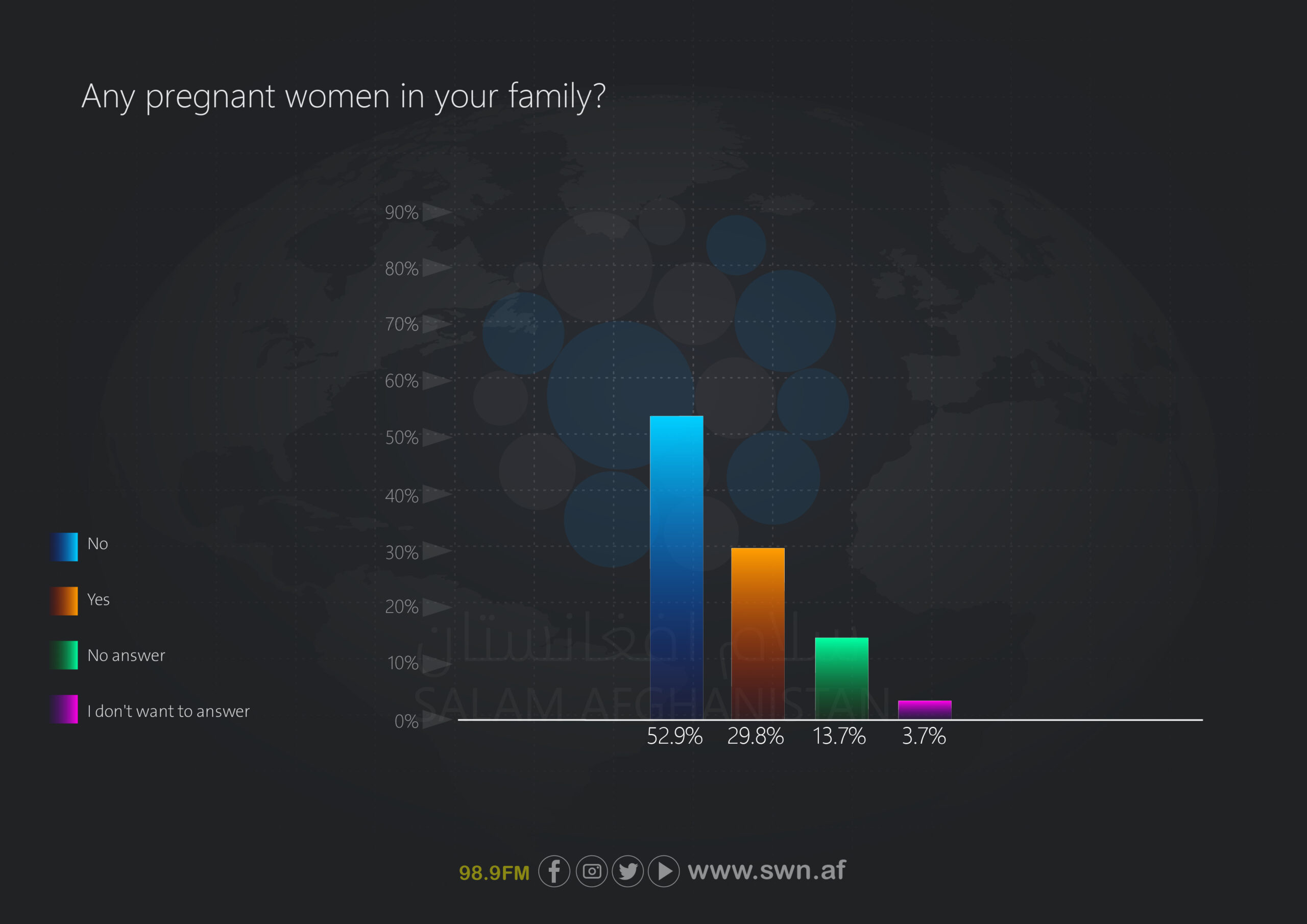
Nearly one-third of families (316 individuals, 29.8%) reported having a pregnant woman. A total of 561 individuals (52.9%) did not have any pregnant women in the household. Among the families with pregnant women, most had one (183 families, 13.7% of the total) or two (39 families, 3.7% of the total).
Breastfeeding women
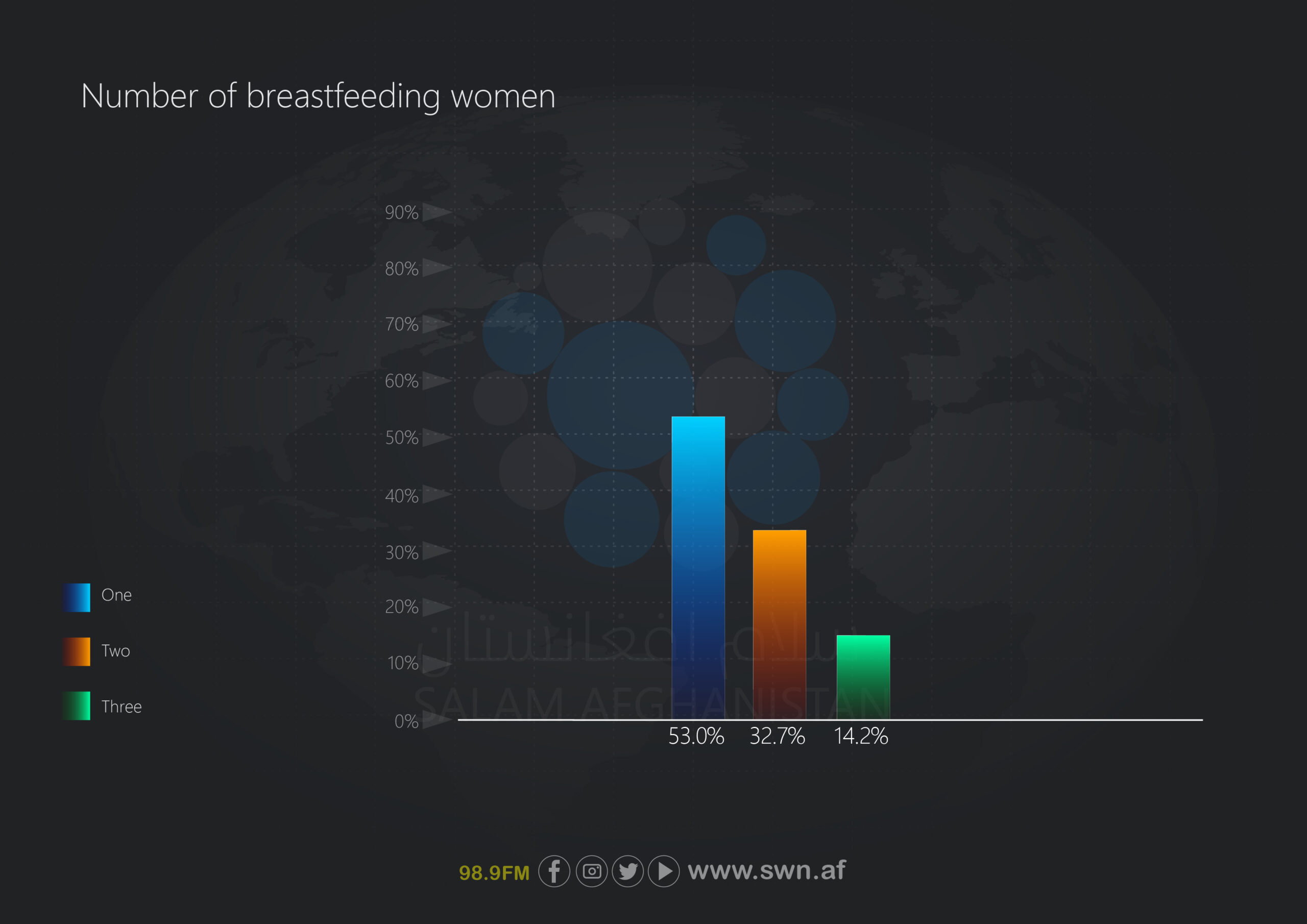
Among the families with breastfeeding women, 407 families (53% of the total) had one breastfeeding woman, 251 families (32.7%) had two, and 72 families (9.3%) had three.
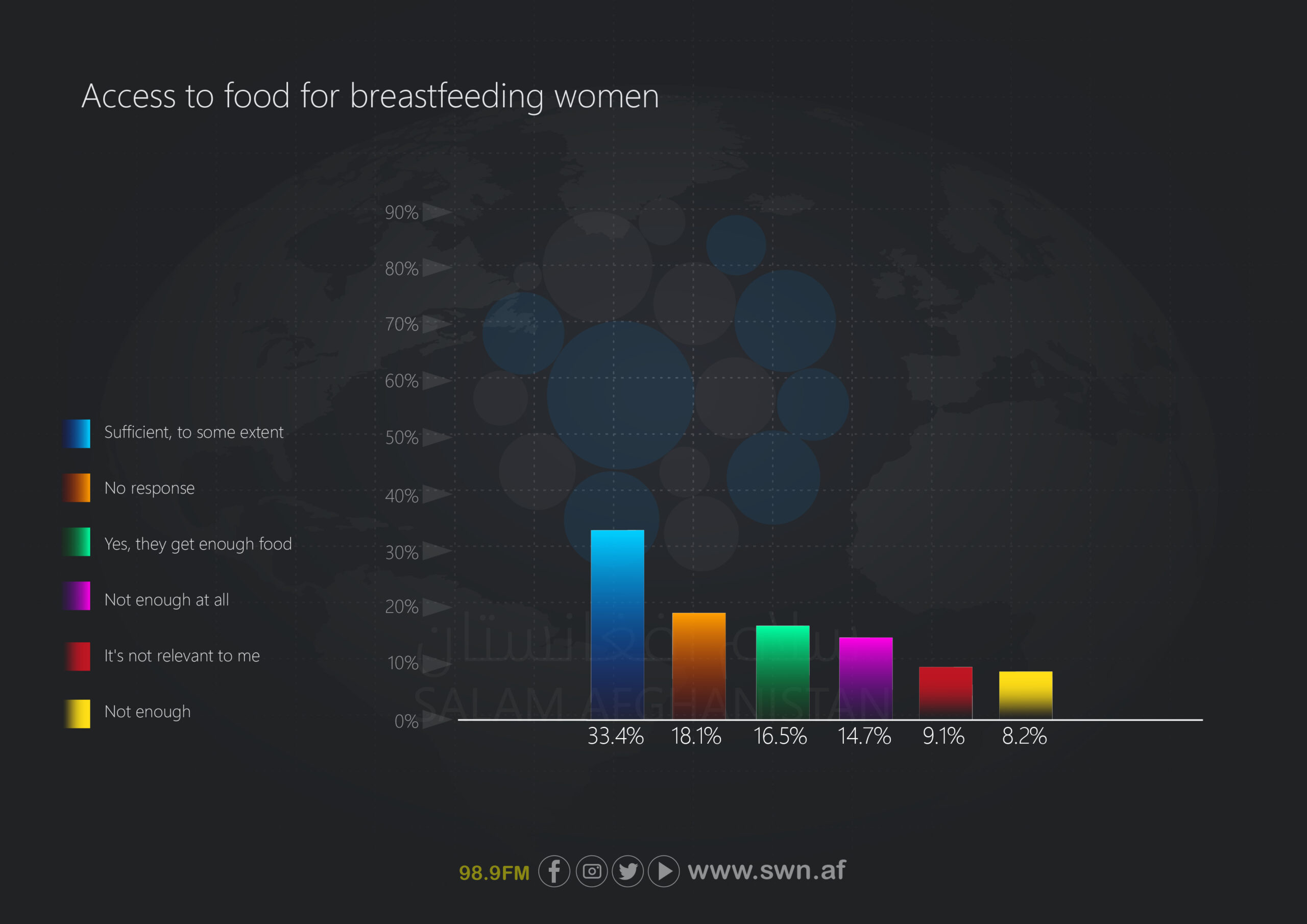
Food access for breastfeeding women
Food access varied among breastfeeding women. A total of 354 individuals (33.4%) had sufficient food, 175 individuals (16.5%) had adequate food, 156 individuals (14.7%) reported that food was completely insufficient, and 87 individuals (8.2%) reported that it was not enough.
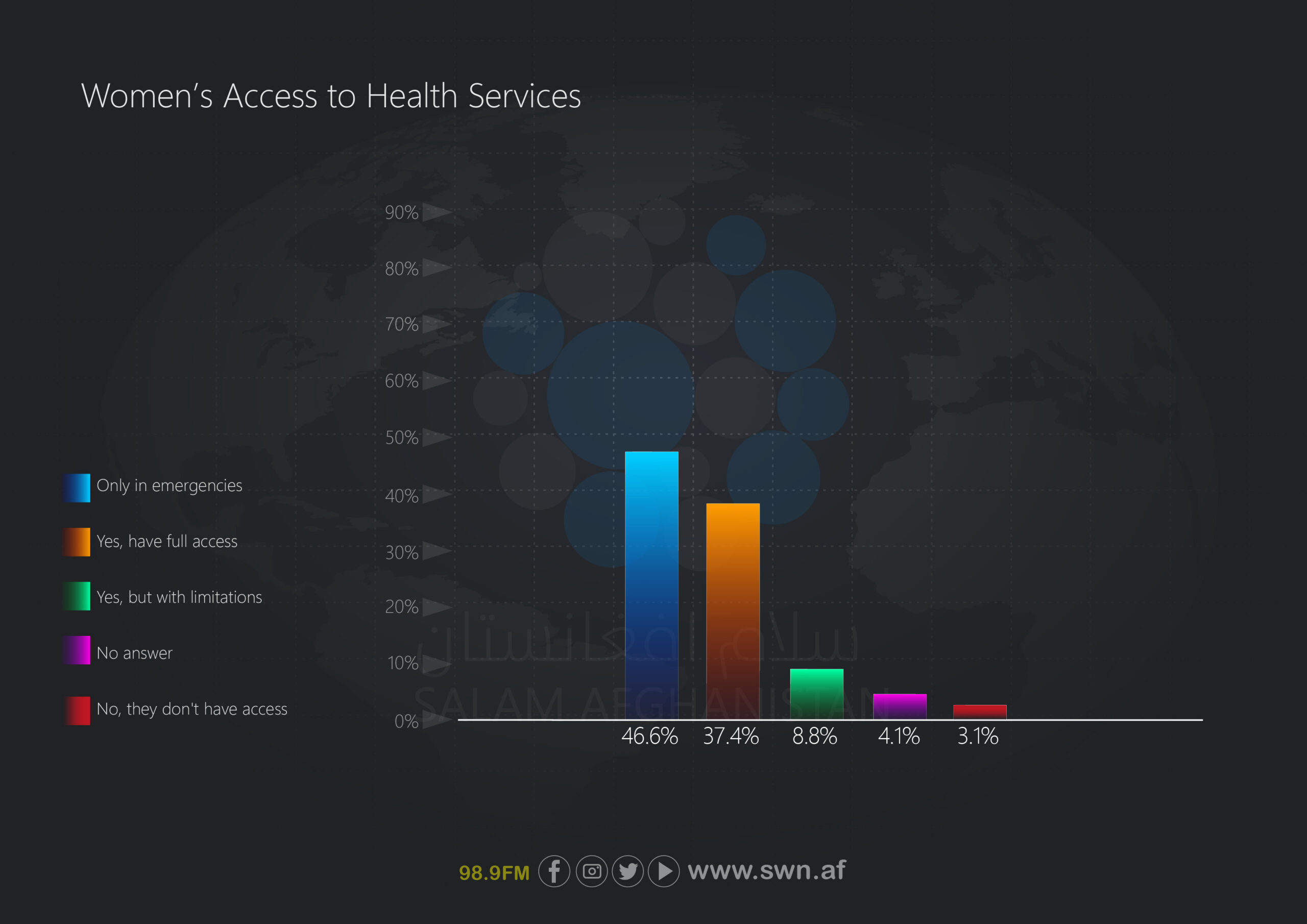
Access of women to healthcare services
Nearly half of the respondents (494 individuals, 46.6%) reported that women could access healthcare services only in emergencies. A total of 397 individuals (37.4%) reported full access, 93 individuals (8.8%) had limited access, and 33 individuals (3.1%) had no access at all.
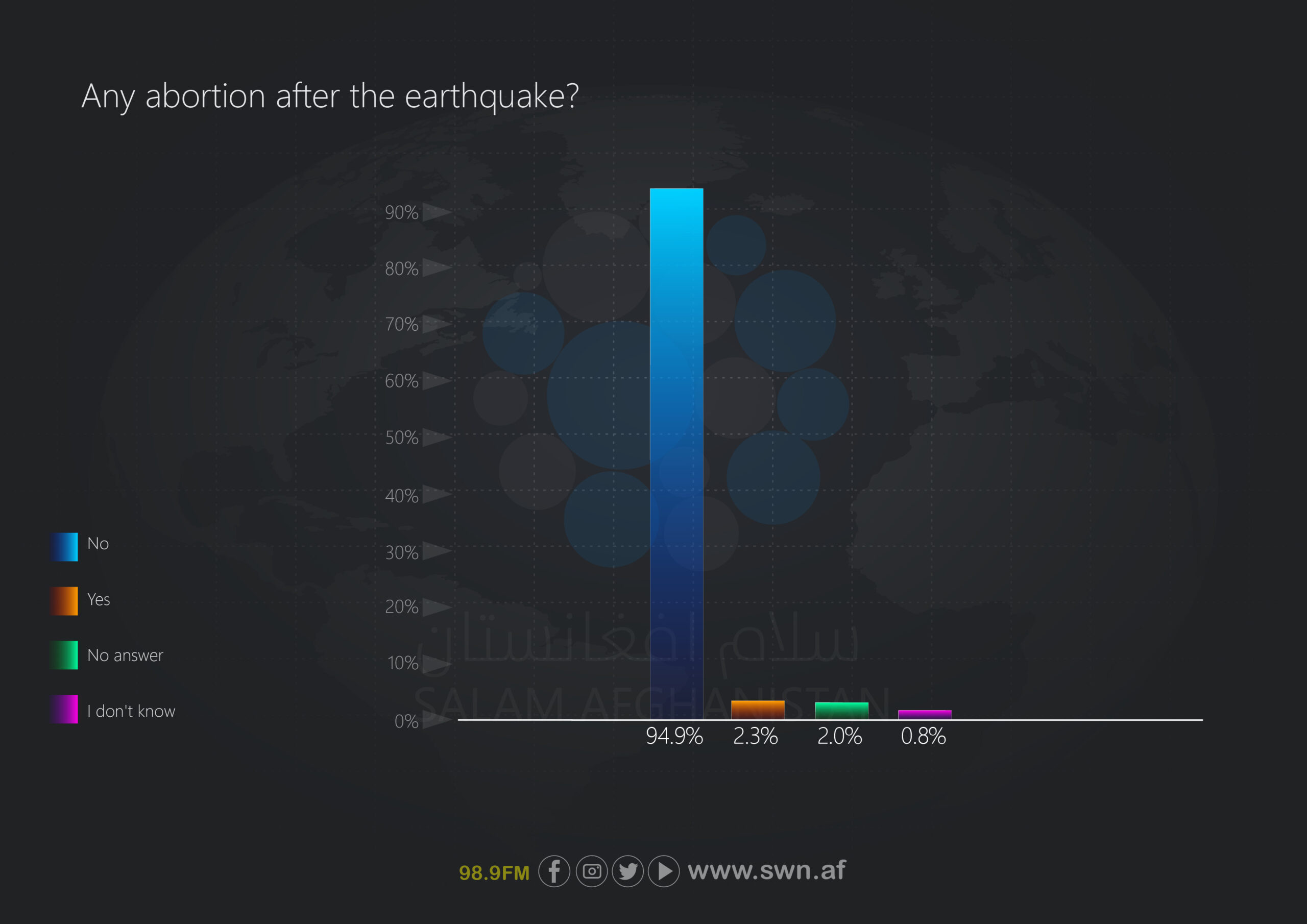
Miscarriages
A total of 24 families (2.3%) reported experiencing a miscarriage.
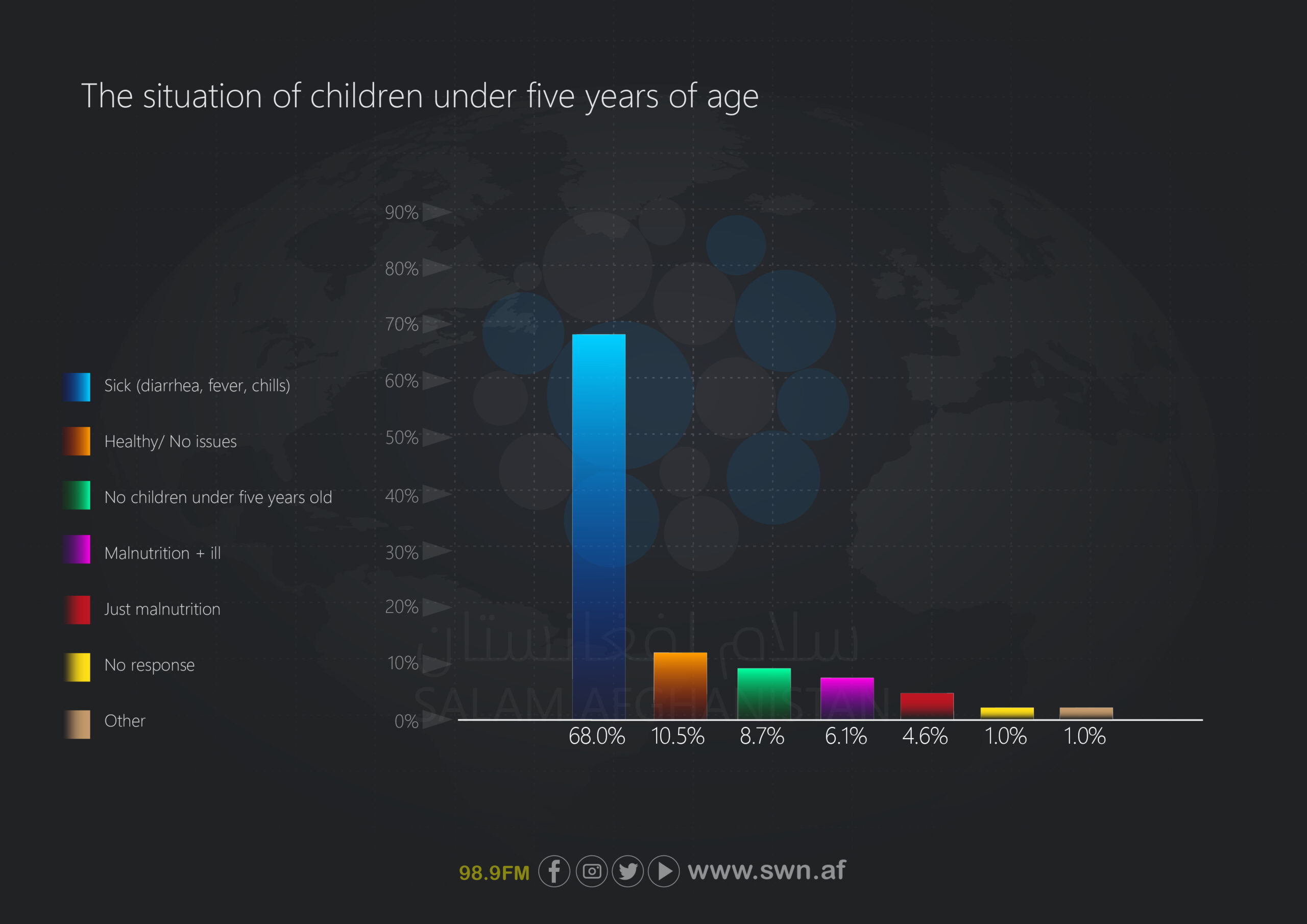
Condition of children under five
Most children were ill (722 individuals, 68.0%), suffering from diarrhea, fever, and chills. A total of 65 children (6.1%) experienced both malnutrition and illness, and 49 children (4.6%) suffered from malnutrition only. Only 111 children (10.5%) were reported as healthy.
Multiple consequences
1 – Humanitarian crisis:
- 2% of families reported fatalities.
- 9% of families reported injuries.
- 4% of families were forced to leave their homes.
2 – Economic crisis:
- 87% of families lost all of their assets.
- 93% of agricultural land was destroyed.
- 60% of livestock perished.
3 – Environmental crisis:
- 92% of water sources were damaged.
- 85% of forests suffered losses.
- 98% of roads were blocked or destroyed.
4 – Educational crisis:
- 95% of schools were destroyed.
- 87% of children are receiving education in temporary tents.
5 – Health crisis:
- 92% of families face severe food insecurity.
- 60% reported water-related illnesses.
- 79% of children under five are sick or suffer from malnutrition.
6 – Psychological crisis:
- 83% of women and children experienced severe psychological changes.
- 50% of families reported increased domestic tensions.
- 5.4% of women and children faced specific vulnerabilities.
- Women were unable to access medical care in a timely manner.
- 42.6% of childbirths occurred at home without proper facilities.
- Women had limited access to relief assistance.
- Female participation in the survey was very low (0.4%).
- 5.5% of gaps in aid delivery were reported.
Main shortcomings
- 7% of families have no shelter.
- 4% are entirely dependent on food assistance.
- Only 2.2% reported that their problems have been fully resolved.
- 2% have not received any assistance.
Barriers
- International restrictions.
- Blocked or impassable roads.
- Interference in aid distribution.
- Lack of access for women.
Conclusion
The 2025 Kunar earthquake was one of the most destructive natural events in Afghanistan’ contemporary history. This survey shows that its impacts extend far beyond official statistics.
- Human casualties: Thousands killed or injured.
- Widespread displacement: 92% of the population were forced to leave their homes.
- Livelihood destruction: 93% of agricultural land and 60% of livestock were lost.
- Environmental crisis: 92% of water sources and 85% of forests were damaged.
- Collapse of education: 95% of schools were destroyed.
- Severe food insecurity: 76% fully dependent on aid.
- Psychological crisis: 83% experienced mental health challenges.
After the earthquake, most people still live in the open or under temporary tents, without food security, with limited access to healthcare, and without a clear path to reconstruction.
The voices of 1,061 families heard in this survey tell the story of a disaster that goes beyond statistics. Behind every percentage are real people who lost their homes, lost loved ones, and now live in critical conditions.
The Kunar earthquake once again demonstrated that Afghanistan is extremely vulnerable to natural disasters—not only due to its geographical location, but also because of poverty, inadequate infrastructure, social restrictions, and international isolation.
This report is both a call for immediate aid and a warning for the future. More earthquakes will come; Afghanistan must be prepared.
Recommendations
- Follow-up surveys: Conduct follow-up surveys six months and one year after the earthquake.
- Focus on women: Carry out in-depth interviews with women, conducted by female researchers.
- Qualitative studies: Document personal stories and life experiences of affected individuals.
- Assessment of aid effectiveness: Evaluate which forms of assistance were most effective.
- Seismological studies: Conduct scientific research on regional fault lines.
- Comparative studies: Compare findings with earthquakes in Khost and Herat.