KABUL (SW) – A recent report by Salam Watandar reveals that 13 out of 14 women interviewed experienced kidney and bladder infections during their pregnancies. For some of these women, this health issue was a new and troubling development.
The report also includes insights from five obstetricians and gynecologists, who stated that 5 to 10 patients with kidney and bladder infections visit them daily.
Giti, a 32-year-old resident of Kabul, sought medical help during her pregnancy due to kidney and bladder pain, frequent urination, and general weakness. She shared: “During my pregnancy, after the fifth and sixth months, I began experiencing severe kidney pain. It started as mild discomfort in my kidney, but as my pregnancy progressed, the pain intensified.”
Similarly, Rukhshar, a 23-year-old woman from Parwan, experienced bladder pain in the fourth month of her pregnancy. She says, “During my pregnancy, I had pain in my lower abdomen. When I visited the doctors, they told me my bladder and uterus were infected. I never had this issue before pregnancy, but it arose after I became pregnant.”
However, some women with kidney and bladder infections report that even after the pregnancy ended and treatment was provided, they did not fully recover.
Shahriya, a 30-year-old woman from Kabul, explains: “I developed lower back and kidney pain, and my condition worsened. I went to a doctor who told me I had kidney and bladder infections. I received treatment, but my condition worsened during the seventh and eighth months of pregnancy. Even after giving birth, the issue persisted and continues until now.”
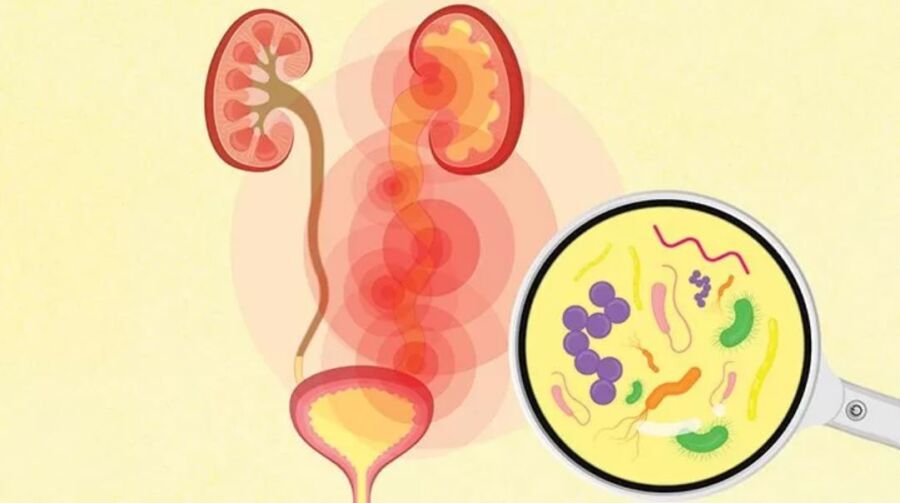
Doctors cite poor hygiene, weakened immunity, and inadequate nutrition as the main factors contributing to these infections. Tamkin Ayubi Aman, an obstetrician and gynecologist, discussed about the reasons: “Pregnancy weakens the body’s immunity. If a woman has poor nutrition, some may not visit the doctor despite experiencing kidney or bladder problems. Even a minor infection can escalate quickly during pregnancy.”
Similarly, Parwin Zahed Aziz, another obstetrician and gynecologist, emphasized the serious consequences of untreated kidney and bladder infections during pregnancy, including preterm births, low birth weights, and miscarriages. “If not treated on time, these infections can cause preterm delivery, kidney inflammation, and the birth of low-weight babies. These infections can also increase the risk of high blood pressure and anemia in mothers. Blood in the urine, sometimes microscopic, is also a common symptom during pregnancy.”
Attempts to gather statistics on the number of pregnant women suffering from kidney and bladder infections from the Ministry of Public Health have been unsuccessful, reportedly no such research has been conducted by the ministry so far.
It is also noteworthy that the Special Inspector General for Afghanistan Reconstruction (SIGAR) has expressed concern over the 1.1 million girls who have been banned from attending school, along with at least 100,000 female students excluded from universities. SIGAR warns that this will lead to a 45% increase in preterm births and a 50% rise in maternal mortality.
The United Nations Population Fund (UNFPA) also recently reported that in Afghanistan, one mother dies every two hours due to preventable complications related to pregnancy and childbirth.