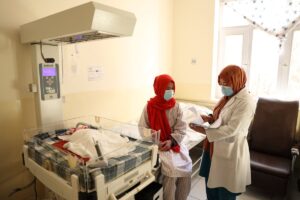
UNFPA: 15,000 women in Afghanistan suffer from obstetric fistula
The United Nations Population Fund in Afghanistan (UNFPA) has said that Afghanistan is the fifth country with the highest cases of obstetric fistula in the world.

The United Nations Population Fund in Afghanistan (UNFPA) has said that Afghanistan is the fifth country with the highest cases of obstetric fistula in the world.
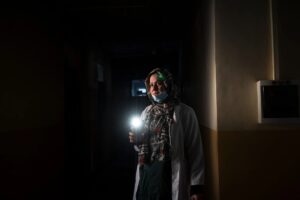
25 female doctors, who in addition to their official regular daytime duties also take turns working night shifts in hospitals, say that due to the shortage of medical staff in healthcare centers, they are compelled to endure heavy and continuous workloads. According to them, this situation has led to severe fatigue and psychological stress.
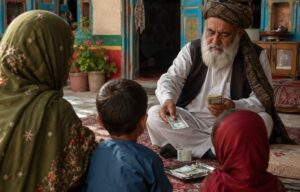
Some women in Panjshir, Daikundi, and Kabul provinces, in interviews with Salam Watandar, say that their husbands have migrated to earn a living, but their husbands’ families ignore their rights. After their husbands’ migration, these women’s roles within the family are diminished, and the money sent by their husbands is spent without their knowledge or participation.

Salam Watandar’s interviews with 20 women who had independent incomes before becoming unemployed show that, besides covering their personal needs, they also contributed to their families’ expenses. They say unemployment has now pushed all of them toward a shared fate: dependence — a situation the interviewed women describe as difficult and worrying.
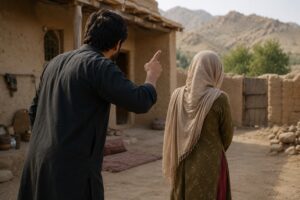
Despite this, some girls in Kunduz province told Salam Watandar that their brothers exercise control over them in an un-Islamic manner and interfere in matters ranging from marriage to education, work, and other affairs of their lives.

Studies show that migraine is more common in women than in men, and one of the main reasons is hormonal changes in women’s bodies. These changes, which occur during the period, pregnancy, and even daily stress, can make the pain worse.

Findings from Salam Watandar, based on interviews with experts and 20 women who have experienced gender inequality within their families, show that this issue has had serious physical and psychological effects on women.

Giving women in baad — a practice aimed at settling disputes between families — remains a harmful and ongoing custom in some parts of Afghanistan.
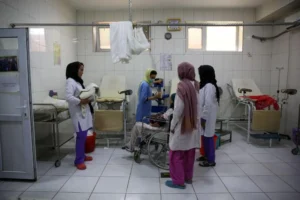
The United Nations Population Fund in Afghanistan (UNFPA), on the occasion of the International Day of the Midwife, has announced that in order to save the lives of mothers and newborns, one million more midwives need to be trained.
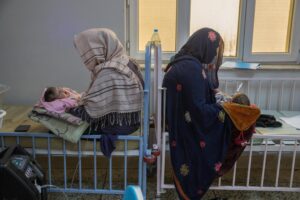
Doctors warn that violence against women during pregnancy has irreversible consequences. However, some women, in interviews with Salam Watandar, describe experiencing severe violence during this period—violence that has even resulted in miscarriages.
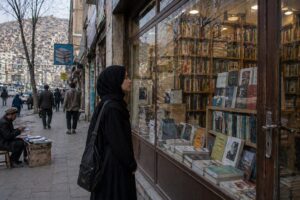
A number of women interviewed by Salam Watandar say that social restrictions have limited their access to in-person educational materials, while online educational resources have become the primary means for continuing their education.
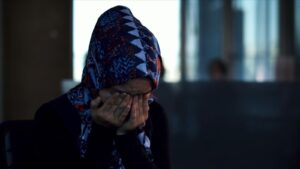
Islamic Sharia and legal experts consider emotional support one of the fundamental pillars of married life and emphasize love, respect, and kind treatment between husband and wife — a right whose violation can even provide grounds for filing for divorce. However, a number of women complain about the lack of affection and emotional understanding in their marriages, saying that the situation has placed them under psychological pressure.