A number of pregnant women in Kunduz are experiencing swelling of the body, a condition that disrupts their daily lives and requires proper awareness and medical care. Doctors warn that this condition, particularly during the final months of pregnancy, can have serious consequences for both mother and baby.
Meanwhile, officials at the Ministry of Public Health of the Islamic Emirate say that plans are in place to provide healthcare and educational services aimed at addressing the health challenges faced by pregnant women across the country’s provinces.
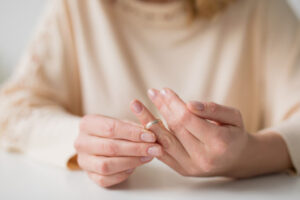
Swelling during pregnancy has become a major challenge for many pregnant women. The condition often begins during the middle months of pregnancy and reaches its peak in the eighth and ninth months, causing significant swelling in the feet, hands, and sometimes the face.
Although the condition is mild and temporary in many cases and improves with rest, for some women it becomes so severe that carrying out everyday activities becomes extremely difficult.
Munisa, who is four months pregnant, says that during her previous pregnancies she experienced severe swelling in her feet, hands, and face beginning in the sixth month. The condition became more intense during the eighth and ninth months. Due to financial problems, she was unable to visit a doctor and lacks sufficient knowledge about the risks associated with this condition and the available treatment methods.
“In the seventh and eighth months, when my hands, feet, and face become swollen, I need someone to help me get up and walk. Life becomes very difficult. I need someone to help with work both inside and outside the home. We have not tried any method, and I do not know what to do. During this period, I cannot take medicine either,” she says.
Zarina, who is in her ninth month of pregnancy, complains of severe swelling in her feet, hands, and face. In addition to affecting her physical health, the condition has made daily life exhausting and left her dependent on others for routine tasks.
“The swelling started in my seventh month of pregnancy, and now, in the final months, my feet are so swollen that I cannot even stand up. I need help with household chores. I am not aware of the dangers associated with this condition. The doctor’s recommendations did not have any positive effect,” she says.
Nargis, another pregnant woman, says, “I am in my eighth month of pregnancy, and the swelling in my hands and feet has become very severe. I can no longer do household chores. I only cook, while others take care of the rest. When I visited the doctor, I was advised to elevate my feet and get more rest, but the problem continues. I do not know what to do.”
Meanwhile, Zarghona Muhabbat, a specialist in obstetrics and gynecology, explains that swelling during pregnancy typically occurs during the last months (third trimester). According to her, the condition results from hormonal changes and pressure exerted by the uterus on blood vessels, causing fluid accumulation in the body.
She emphasizes that if swelling in the feet, hands, and face is accompanied by symptoms such as high blood pressure, abdominal pain, or blurred vision, the mother should see a doctor.
“Swelling during pregnancy usually occurs in the final months and commonly begins in the feet and hands. These symptoms result from hormonal changes and pressure from the uterus and often improve with rest and by elevating the legs. However, if swelling is accompanied by dangerous symptoms such as high blood pressure, abdominal pain, blurred vision, or bleeding, the patient should see a doctor immediately. These symptoms may indicate serious complications,” she says.
Mahmood Khan Zazai, a specialist in internal medicine, says that proper nutrition and appropriate care can be effective in reducing swelling. He recommends that pregnant women avoid excessive salt consumption and instead eat foods rich in potassium. According to him, daily walking can also improve blood circulation and help prevent fluid accumulation.
“Pregnant women should avoid excessive salt consumption because it contributes to fluid accumulation and swelling. Foods such as potatoes, bananas, and leafy green vegetables help the body eliminate sodium and reduce swelling. Pregnant women should walk for at least 30 minutes a day to improve blood circulation and prevent fluid buildup. If mothers experience these symptoms, they should see a doctor immediately to prevent serious complications such as preeclampsia,” he says.
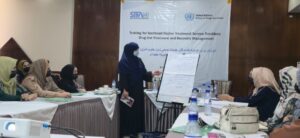
Sharafat Zaman Amarkhil, spokesperson for the Ministry of Public Health, highlights the ministry’s efforts to prevent various diseases and health disorders. He says that programs are in place to provide healthcare and educational services for pregnant women across the provinces.
“Both primary and advanced healthcare centers exist in Kunduz to provide counseling and treatment services to pregnant mothers. Specialized teams are also working in these facilities to care for mothers and newborns. The Ministry of Public Health is striving to raise public awareness through health education about diseases and pregnancy-related conditions such as swelling,” he says.
Swelling during pregnancy is a serious issue that affects the quality of life of many mothers in Kunduz. Limited awareness of warning signs and effective management strategies, along with limited access to healthcare services, has made the situation more complicated. Under these circumstances, increasing public awareness, strengthening health counseling services, and expanding access to maternal healthcare can play a vital role in improving the well-being of both mothers and newborns.
Reporter: Maryam Moqadas