Category: Investigative reports

Taking advantage of opportunities; a key to a better future for youth

Increased self-confidence, skill development, improved educational status, financial independence, and access to better career opportunities are among the achievements that youth say they have gained by making use of available opportunities. These accomplishments demonstrate that opportunities can fundamentally transform the lives of youth and open new paths toward progress and success.

Practical skills; a key factor in job market success

Findings by Salam Watandar from interviews with 30 youth—20 girls and 10 boys—show that having practical skills, in addition to academic qualifications, plays an important role in job selection. Youth who have learned practical skills such as computer use and English are more likely to be employed in related fields. In contrast, youth who lack practical skills are mostly engaged in jobs unrelated to their field of study.

Between opportunity and concern; women’s experience with AI in Afghanistan

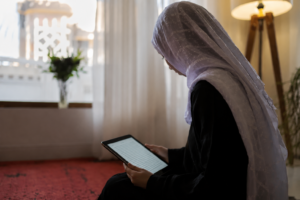
Findings from Salam Watandar’s interviews with 20 women in Afghanistan show that AI is mostly used by women in areas such as education—especially language learning—editing writing, content creation, accessing health information, and generating business ideas. However, alongside these opportunities, deep concerns about privacy, data security, and the accuracy of responses have made their experience with AI complex and ambivalent.

Rising gold prices make marriage harder for youths

Findings by Salam Watandar from interviews with 15 couples on the verge of marriage in Afghanistan show that 11 couples have postponed their wedding ceremonies due to the unprecedented rise in gold prices. In some cases, this crisis has also led to separations and serious family tensions.

A survey on the level of depression among women in Afghanistan

For this reason, the Salam Afghanistan Media Organization (Radio Salam Watandar) conducted a field survey in 26 provinces of the country and examined the mental health status of 401 women, aiming to present a realistic and scientific picture of depression among women in Afghanistan. The findings of this survey show that nearly half of the surveyed women experience moderate depression, which can be considered a serious threat to women’s mental health in Afghanistan.

Teaching and motherhood; striving to balance two roles

The results of a Salam Watandar interview with 18 teachers who are also mothers, conducted across six provinces—Panjshir, Sar-e Pol, Daikundi, Baghlan, Kabul, and Samangan—show that 13 of them have been able to achieve a balance between teaching and motherhood through planning, division of responsibilities, and family support. However, the remaining five face serious challenges due to lack of family support and resources.

Rising stroke among youth; women most vulnerable

Findings by Salam Watandar, based on data from Sheikh Zayed Hospital and interviews with neurology specialists, show a significant increase in stroke cases among young people under the age of 38 in Afghanistan, particularly among women.