UN-Habitat: Many people lack access to safe water
The United Nations Human Settlements Programme (UN-Habitat) in Afghanistan says that many people in the country do not have access to safe water and sanitation.

The United Nations Human Settlements Programme (UN-Habitat) in Afghanistan says that many people in the country do not have access to safe water and sanitation.
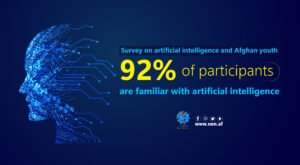
The survey on Artificial Intelligence and Afghan youth was conducted with 1,154 respondents across 32 provinces of Afghanistan. The findings indicate that artificial intelligence has become more deeply embedded in the daily lives of Afghan youth than expected.

Today, artificial intelligence (AI) is no longer merely a scientific concept; it has become part of the daily lives of youth. From education and work to personal advice, this technology is gradually finding its place among Afghan youth as well. A survey by Salam Watandar, based on 1,154 young respondents (50.6% men and 49.4% women) across 32 provinces of Afghanistan, shows that 84.1% of youth have used artificial intelligence at least once in areas such as work, education, and personal life, while 92% of respondents are familiar with AI.

Findings from Salam Watandar, based on interviews with experts and 20 women who have experienced gender inequality within their families, show that this issue has had serious physical and psychological effects on women.

Giving women in baad — a practice aimed at settling disputes between families — remains a harmful and ongoing custom in some parts of Afghanistan.

A number of youth in Samangan province say they are working to promote a culture of reading among the people, particularly the younger generation, by establishing private libraries and cultural institutions.
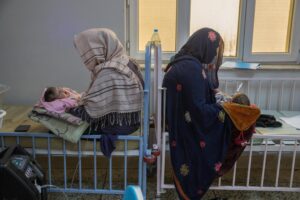
Doctors warn that violence against women during pregnancy has irreversible consequences. However, some women, in interviews with Salam Watandar, describe experiencing severe violence during this period—violence that has even resulted in miscarriages.
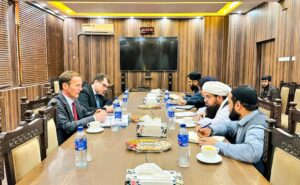
Shahabuddin Delawar, General President of the Afghan Red Crescent Society (ARCS), said that a specialized hospital for children with congenital heart defects will be built in Kabul in the near future.
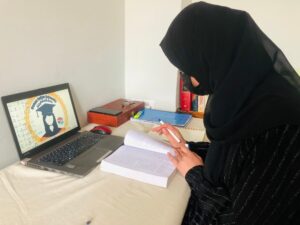
Increased self-confidence, skill development, improved educational status, financial independence, and access to better career opportunities are among the achievements that youth say they have gained by making use of available opportunities. These accomplishments demonstrate that opportunities can fundamentally transform the lives of youth and open new paths toward progress and success.
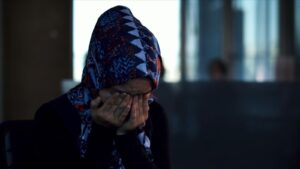
Islamic Sharia and legal experts consider emotional support one of the fundamental pillars of married life and emphasize love, respect, and kind treatment between husband and wife — a right whose violation can even provide grounds for filing for divorce. However, a number of women complain about the lack of affection and emotional understanding in their marriages, saying that the situation has placed them under psychological pressure.
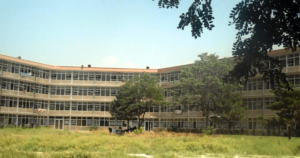
Findings from interviews conducted by Salam Watandar with 20 students who have come to Kabul from 8 provinces to continue their education indicate that rising economic hardship is one of their main challenges.

Findings from Salam Watandar’s interviews with 13 girls who were given to adoption show that these girls face identity confusion and, in some cases, discriminatory behavior.