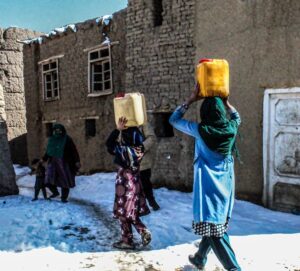
UN calls for protection of water resources in Afghanistan
The United Nations Human Settlements Programme (UN-Habitat) in Afghanistan has said that millions of people in the country still lack reliable access to safe drinking water.

The United Nations Human Settlements Programme (UN-Habitat) in Afghanistan has said that millions of people in the country still lack reliable access to safe drinking water.
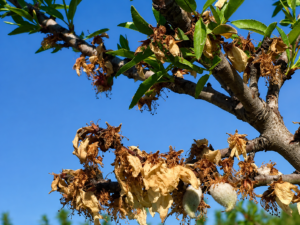
In recent years, climate change has become one of the main challenges facing the horticultural sector in Samangan. According to officials and orchard owners, unexpected cold weather, early heatwaves, irregular rainfall, and the increasing prevalence of pests and plant diseases are among the main factors contributing to lower yields and substantial losses in almond orchards.
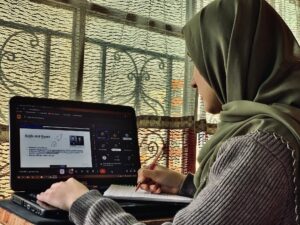
The high cost of internet packages and low-quality service have become major challenges for youth in Kabul. They say that expensive internet packages not only disrupt their online education but also limit their employment opportunities and ability to earn an income in the digital space.
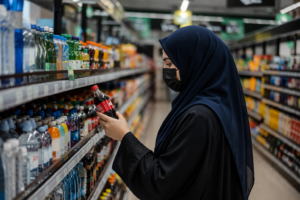
A number of medical specialists, pointing to the harmful effects of energy drinks, warn that their consumption poses serious health risks to individuals, particularly women and children.
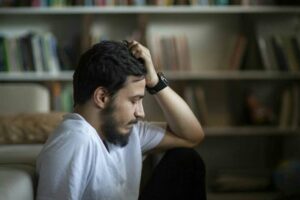
“I wish I hadn’t missed that opportunity.” This is a common response among the 31 youth interviewed for this report. They reflect on past choices, missed opportunities, and unfulfilled dreams. Findings from Salam Watandar’s interviews with 16 girls and 15 boys across nine provinces show that education, employment, migration, and marriage are the main areas in which missed opportunities leave lasting regret and, in many cases, contribute to mental health problems.
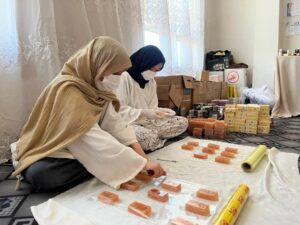
Among shelves filled with herbal soaps, natural oils, and skincare products, women are busy packaging orders. This small workshop in Herat began with a training experience in Iran and has now created employment opportunities for ten women and girls.
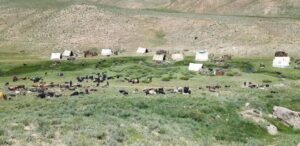
The sound of livestock bells, the smell of fresh milk, and the movement of livestock-owning families across the green slopes of Band-e Bayan—this is the Yaylaq (Ailaq) in Ghor Province, a highland grazing area where, with the arrival of spring, many families move their livestock to make use of the pasturelands.
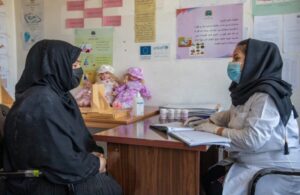
Obstetricians and Gynecologists in Daikundi warn that dehydration in mothers during pregnancy reduces blood flow and oxygen transfer to the fetus and increases the risk of miscarriage, premature birth, slowed fetal growth, urinary infections, severe constipation, and low blood pressure.

A number of students and employed youth in Kabul who use public transportation to commute to educational centers and workplaces complain about the shortage of an organized public transport system. They say this issue has caused them to face various challenges. In interviews with Salam Watandar, they called on the Islamic Emirate to address the problems in the city’s public transportation system.
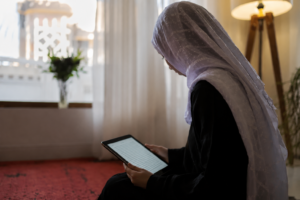
A number of youth interviewed by Salam Watandar say that easy access, lower costs, time savings, and the free availability of digital books (PDFs) have driven them to turn to digital reading.
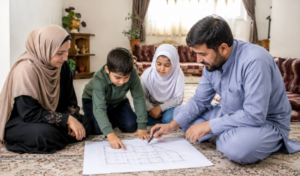
Legal experts, Islamic jurisprudence experts, and religious scholars say that providing suitable shelter is the husband’s responsibility and is considered part of maintenance (nafaqah). They say that consultation and mutual understanding between husband and wife, as well as considering the family’s needs when choosing a place to live, help promote peace, empathy, and a stronger married life.
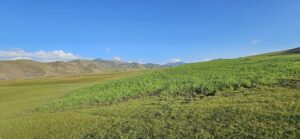
A number of farmers in Shiwa Plain, located in Arghanj Khwah district of Badakhshan province, say that early cold weather, irregular rainfall, and the short growing season have reduced their wheat harvests to an average of only about 75 kilograms per jerib, while agricultural experts say that wheat yields in Faizabad, Argo district, and some other areas of Badakhshan range from 350 to 500 kilograms per jerib. According to the experts, this significant difference has not only reduced household incomes but has also forced many farmers to rely on labor migration to cover their living expenses.