Category: SWN ENGLISH

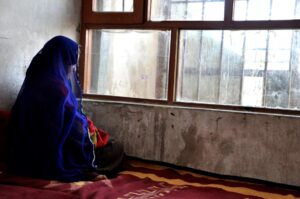
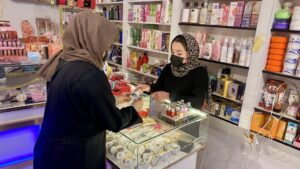
Why do some mothers feel forgotten after their sons get married?

Findings from Salam Watandar’s interviews with 22 mothers whose sons are married show that 15 of them complain that their sons give them less attention, affection, and care after marriage. These mothers report fewer visits, less financial support, and changes in family relationships. In contrast, seven mothers say their sons’ marriages have not affected their relationships. They say their sons continue to show them love and support them as much as they can.

Drought damages pistachio forests in Badakhshan

Officials at the Badakhshan Department of Agriculture, Irrigation and Livestock say climate change has damaged the province’s pistachio forests, reducing the area of natural pistachio forests from more than 10,000 hectares to just over 4,000 hectares.

Residents of Aybak complain about poor waste management

As the population of Aybak, the capital of Samangan Province, grows and residential areas expand, waste management and garbage collection have become essential needs for the city. Although the Aybak Municipality says it collects household waste according to a schedule, a number of residents complain about delays in garbage collection, bad smells, and environmental pollution. They are calling for more regular services.

Panjshir farmers’ resilience to climate change and their message to COP31

Flash floods, soil erosion, and changing rainfall patterns in Panjshir put farmland and farmers’ livelihoods at risk. The Department of Agriculture, Irrigation and Livestock in Panjshir reports that 11 agricultural infrastructure projects were implemented in Anaba and Abshar districts during the first six months of this year.

Savings and investment; what are youth doing for their financial future?

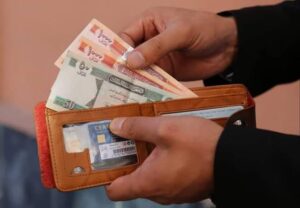
Salam Watandar interviewed 29 employed youth aged 21 to 35, including 13 girls and 16 boys, across 12 provinces to assess their financial plans. Among the youth interviewed, 14, including 10 girls and four boys, had invested in small businesses or other economic activities, while the remaining 15, including three girls and 12 boys, had not made any investments.