More than 10,000 excess deaths reported after Europe heatwave
More than 10,000 excess deaths were reported during the heatwave that engulfed Western Europe in late June 2026.

More than 10,000 excess deaths were reported during the heatwave that engulfed Western Europe in late June 2026.

Salam Watandar interviewed 32 Afghan youth (20 girls and 12 boys) who were born in different countries around the world and have never visited Afghanistan, to examine their sense of attachment to their homeland and the conditions under which they would consider returning.

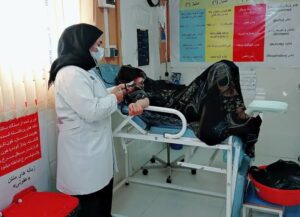
Findings from Salam Watandar’s interviews with 35 women across 10 provinces of Afghanistan (Kapisa, Badakhshan, Kabul, Daikundi, Samangan, Sar-e Pol, Faryab, Ghor, Kunduz, and Badghis) show that media health programs increase women’s awareness of health issues and improve their health-related behaviors. According to the findings, all of the women interviewed say that the media are effective in improving their health awareness.

Livestock diseases in Kapisa have become a serious concern for livestock owners. They say the diseases not only threaten the health of dairy cows but also directly affect milk production, household incomes, and the livelihoods of hundreds of families. According to livestock owners, cases of various diseases among dairy cattle have increased in recent months, while limited access to veterinary services has made their challenges even greater.

While legal experts and religious scholars say that women have both a legal and religious right to work, a number of women in Daikundi say that family pressure, household responsibilities, and traditional attitudes are the main obstacles to continuing to work after marriage and motherhood.

As the use of social media continues to increase and in-person employment opportunities for women decline, online sales have become an important source of income for many women and girls in Badghis Province. They say that despite ongoing economic hardship, they make efforts to cover part of their living expenses through online businesses.

At a time when farmers are increasingly concerned about declining agricultural productivity caused by climate change, changes in rainfall, soil erosion, and declining soil fertility, the opening of a factory producing organic and chemical fertilizers, equipped with a modern agricultural laboratory, has emerged as a promising initiative to support agricultural production in Balkh Province.

Salam Watandar has conducted a survey examining the employment status of university graduates in Afghanistan between 2022 and 2025. The survey provides a clear picture of the opportunities, challenges, and expectations youth face as they enter the labor market after graduating from university.

A number of women in Samangan say that economic hardship, the long distance to healthcare centers, inadequate facilities, and limited access to healthcare services have left many women with no option but to give birth at home.

Salam Watandar’s interviews with 44 married Afghan women living in Canada, Germany, France, England, Australia, the United States, and Russia show that while some women experience restrictions on their personal freedoms, social relationships, and educational and employment opportunities after migration, others report no change in their freedoms or opportunities and continue to receive support from their husbands and families. Thus, the experiences of married Afghan women after migration are not the same.

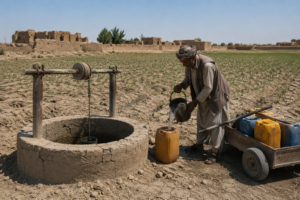
“The income from selling vegetables has helped cover some of our household expenses. Some organizations have also provided us with agricultural training, seeds, and fertilizer. Our biggest problems are water shortages, the lack of appropriate markets for our produce, and the high cost of seeds and fertilizer,” she says.

Although Islamic Sharia permits polygamy and second marriage under specific conditions, a number of women in Kunduz say they have repeatedly faced pressure from their husbands’ families to persuade their husbands to take a second wife.