Category: TOP NEWS

From gold medals in sports to scientific achievements; Afghan youth showcasing their talents

Although many Afghan youth face limited educational opportunities, economic difficulties, and restrictions on employment, 16 young people told Salam Watandar that, despite their failures, limited resources, and a lack of adequate support, they have been able to succeed in sports, medical technology, healthcare, scientific competitions, and entrepreneurship, and proudly raise Afghanistan’s name at the international level.

Misconceptions about breastfeeding; hidden risks to infants’ health

A number of obstetricians and gynecologists say that improper breastfeeding practices and misconceptions about the diets of breastfeeding mothers can put infants’ health at risk. According to them, some families still hold beliefs about breastfeeding mothers’ diets, causing women to avoid eating foods that are beneficial to them or rely on traditional remedies to treat illnesses. In some cases, these issues can reduce the amount of breast milk mothers produce and lead to nutritional problems for infants.

A number of women in Sar-e-Pol say economic difficulties delay their treatment

A number of women in Sar-e-Pol say that economic difficulties and certain family problems sometimes delay their visits to health centers and their treatment. Social and health experts emphasize that paying attention to the health of all family members and seeking timely medical care can help prevent illnesses from worsening and contribute to maintaining family health.

650,000 cubic meters of gas a day; economic opportunity or environmental challenge?

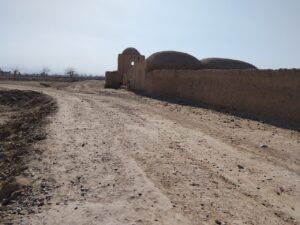
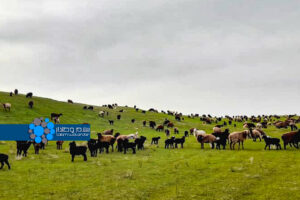
As Afghanistan needs domestic energy sources more than ever to meet its energy needs, gas fields in Jawzjan produce about 650,000 cubic meters of natural gas each day. The gas helps meet part of the country’s electricity, fertilizer, and other energy needs. Officials say the gas is extracted in accordance with technical and environmental standards. However, experts warn that without close monitoring of water resources, soil, and pollutants, continued extraction could have serious environmental consequences.

From a simple bottle to a vacuum cleaner; a 16-year-old girl’s innovation in Ghazni

In an old house with three mud-built rooms in the “Qala-e Shahada” area of the sixth district of Ghazni city, 16-year-old Mahdiya Qurbani lives with her seven-member family. She is the eldest child in her family and an eighth-grade student at a religious school. With a simple but creative idea, she has succeeded in building a practical vacuum cleaner.

Library shortage; youth in Samangan call for more public libraries

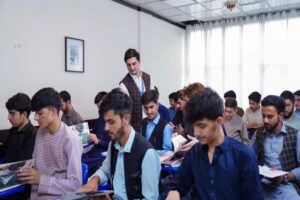
The lack of public libraries in several districts and the shortage of learning resources in Samangan’s provincial center have become one of the serious challenges facing education and the promotion of reading culture. As the need among youth and students for updated books and academic resources continues to increase day by day, limited access to library facilities has made it difficult for many readers to find reliable learning materials.

When others make the decisions; youth under the shadow of judgment

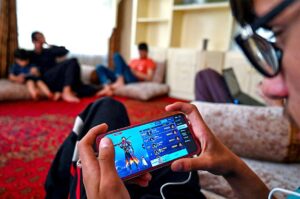
Salam Watandar’s interviews with 33 young people (18 girls and 15 boys) in Kabul and several provinces of Afghanistan show that interference and judgment from others have had a significant impact on their personal choices, education, social relationships, and other aspects of their lives.

Maternal mortality in Afghanistan; when poverty and limited healthcare access put mothers’ lives at risk

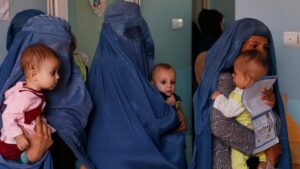
Postpartum bleeding, high blood pressure, and limited access to healthcare services are among the most important causes of maternal deaths in Afghanistan. This finding is based on interviews with the families of victims, doctors, international organizations, and the Ministry of Public Health. In this report, Salam Watandar interviewed 15 families, international organizations, doctors, and the Ministry of Public Health of the Islamic Emirate.

Women volunteers; the struggle to keep career dreams alive

Findings from Salam Watandar’s interviews with 40 women volunteers across 11 provinces show that many women have turned to volunteer work due to limited employment opportunities, the need to gain work experience, maintain connections to their professions, develop their skills, pursue their interest in working, and serve their communities.

Women with disabilities; between religious rights and everyday challenges

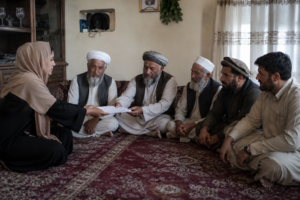
Although Islamic jurisprudence and religious teachings emphasize the human dignity and rights of women with disabilities, the experiences shared by some of these women show that they continue to face challenges in various aspects of life, including education, employment, access to services, and, in some cases, inheritance-related issues. Religious scholars and legal experts say that expanding support services and raising awareness among families and the society could help improve their situation and create greater opportunities for them.