
Category: TOP NEWS

Between regret and hope; the stories of youth in Afghanistan and missed opportunities

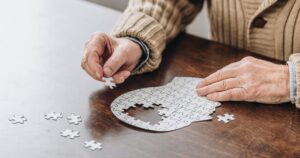
“I wish I hadn’t missed that opportunity.” This is a common response among the 31 youth interviewed for this report. They reflect on past choices, missed opportunities, and unfulfilled dreams. Findings from Salam Watandar’s interviews with 16 girls and 15 boys across nine provinces show that education, employment, migration, and marriage are the main areas in which missed opportunities leave lasting regret and, in many cases, contribute to mental health problems.

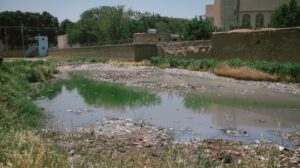
Fetching water; a burden on women in rural areas

Although, according to Islamic Sharia and custom, providing safe drinking water is considered one of the responsibilities of the men in a household, the reality in many villages across Afghanistan shows that this responsibility largely falls on women. They say that because men are busy working outside the home, they play a smaller role in providing water, making it a daily responsibility for women.

Limited awareness among some families regarding “Hiba” and related ownership rights

Hiba (gift) means the transfer of property to another person without receiving anything in return. Once a gift is made and received, ownership of the property generally passes to the recipient. Religious scholars and legal experts say that although a gift may be revoked in certain exceptional circumstances, the general principle is that ownership is transferred to the recipient, and revoking a gift is considered undesirable from both religious and ethical perspectives.

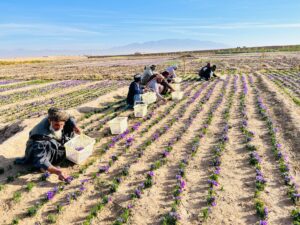
100-ton cold storage facility raises hope among orchard owners in Faryab

Every year during the harvest season, large quantities of agricultural and horticultural crops enter local markets in Faryab. However, the lack of standard storage infrastructure has consistently caused a significant portion of these crops to spoil before reaching consumers. In these circumstances, the establishment of a 100-ton cold storage facility in Maimana, the capital of Faryab province, has raised hopes among orchard owners, who see it as a way to reduce post-harvest losses.

Yaylaqs in Ghor; a seasonal source of income for livestock owners

The sound of livestock bells, the smell of fresh milk, and the movement of livestock-owning families across the green slopes of Band-e Bayan—this is the Yaylaq (Ailaq) in Ghor Province, a highland grazing area where, with the arrival of spring, many families move their livestock to make use of the pasturelands.

Public transport challenges; rising commuting costs and lost time for youth

A number of students and employed youth in Kabul who use public transportation to commute to educational centers and workplaces complain about the shortage of an organized public transport system. They say this issue has caused them to face various challenges. In interviews with Salam Watandar, they called on the Islamic Emirate to address the problems in the city’s public transportation system.

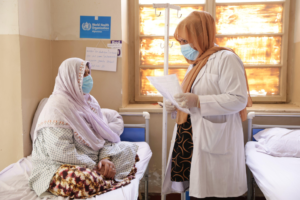
The stories of mothers living with the pain of losing their children

“My son was 16 years old. We were not at home. When we returned, this terrible thing had already happened. My son had taken his own life; he had hanged himself.” These are some of Farzana’s words, a 40-year-old mother from Kapisa who, two years ago, returned home and found her son no longer breathing. Farzana says that her son had committed suicide—a death that marked the end of her son’s life but the beginning of a deep and strange pain for his mother, a pain that now slowly erodes her soul piece by piece.

Consulting together on where to live; a step toward a stronger family

Legal experts, Islamic jurisprudence experts, and religious scholars say that providing suitable shelter is the husband’s responsibility and is considered part of maintenance (nafaqah). They say that consultation and mutual understanding between husband and wife, as well as considering the family’s needs when choosing a place to live, help promote peace, empathy, and a stronger married life.