At a vocational training center in Kabul, 38 women who have completed drug addiction treatment are receiving training in four fields: tailoring, Cherma embroidery, beadwork, and jam and pickle-making. For these women, overcoming addiction is not the end of their difficulties but the beginning of a new path toward rebuilding their lives. This journey involves learning new skills, earning an income, and working toward regaining their personal and financial independence.
Women who were once unable to care for their own children are now striving to build a better life for themselves and their families by learning new skills.
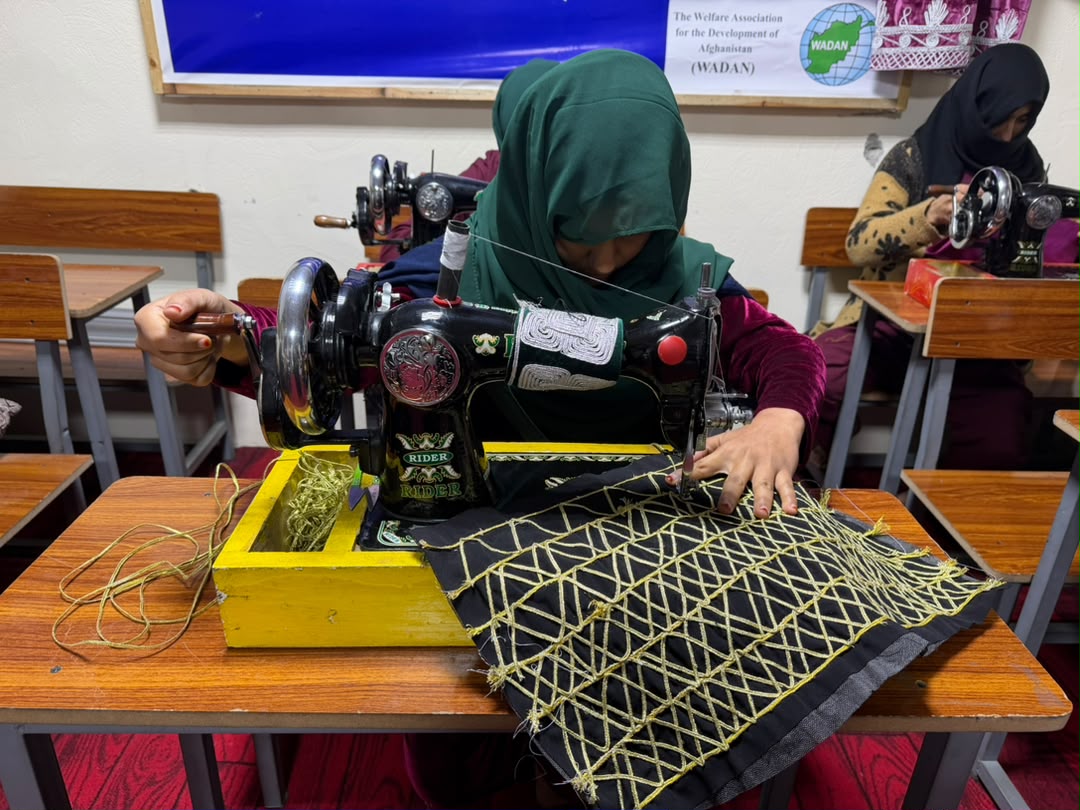
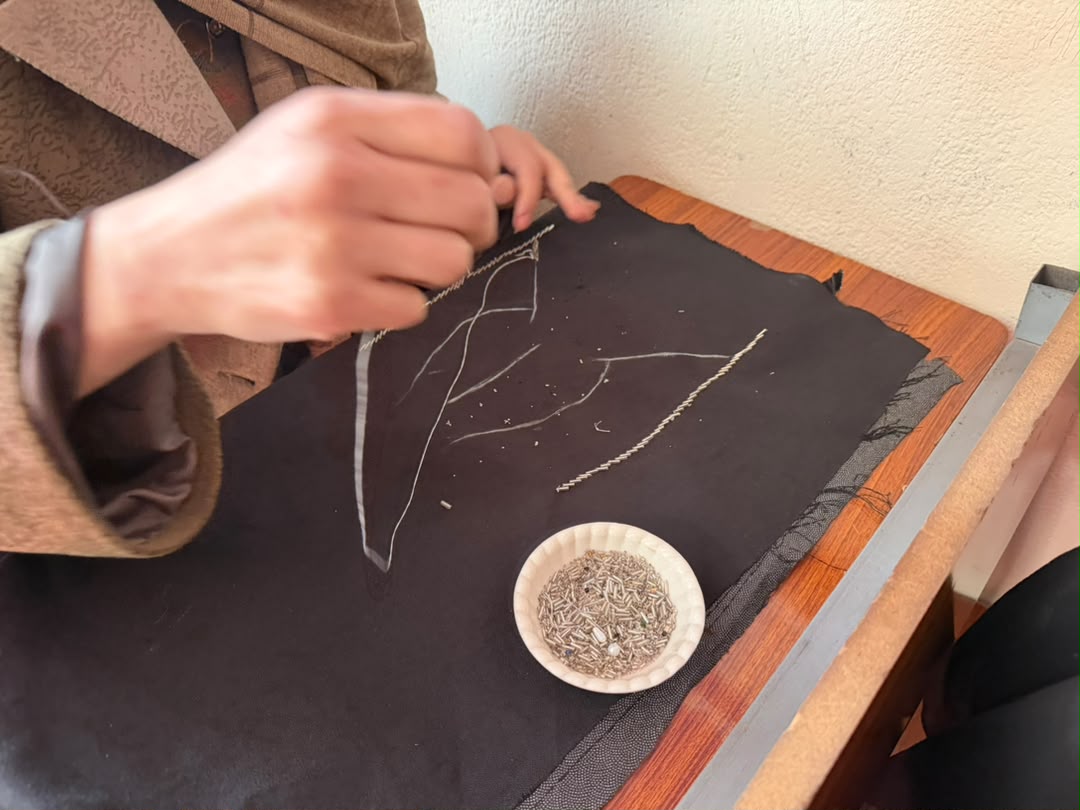
Among them is Zarghona (a pseudonym), a 42-year-old woman who sits at a sewing machine, carefully sewing golden patterns onto a piece of velvet fabric. Delicate, colorful designs take shape under her hands. For her, this work is more than just a craft; it represents a chance to start over.
Zarghona, who is a mother of four children, says she spent 18 years of her life addicted to drugs. Her addiction affected not only her own life but also her children’s future. Sadly, she says her son also started using drugs because of her addiction. Recalling the difficult years of her addiction and her decision to change her life, she says:
“When I learned that an organization was supporting women addicted to drugs, I decided to join the program. I chose Cherma embroidery. I could not fully learn the skill during the first three months, so I continued my training for six months. I was unable to take care of my children, and my two daughters were deprived of going to school. Now I have a job and earn a monthly salary of 5,000 Afghanis. My son had also become addicted to drugs because of my situation, but I took him for treatment as well. He has now recovered and is working.”
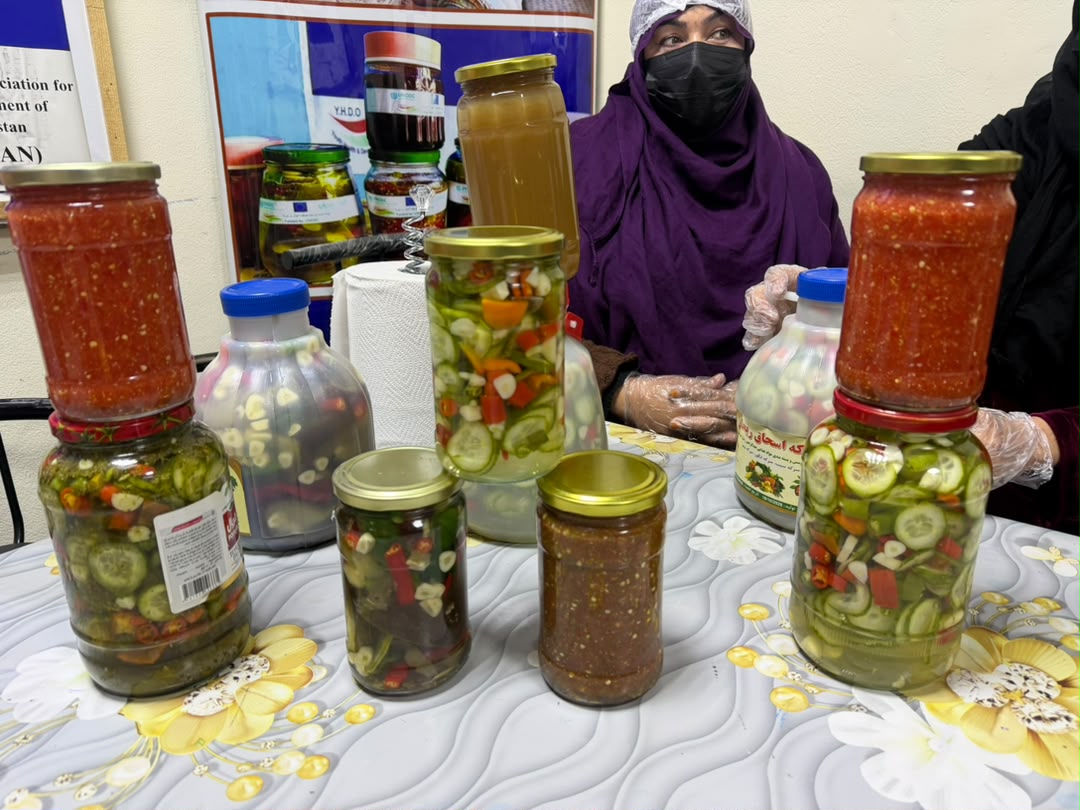
Fariba, another 37-year-old woman from Kalakan District of Kabul, is also learning to make jam and pickles at the same center. She says that overcoming addiction and learning a new profession have not been easy, but despite the difficulties, she has continued her efforts to return to a normal life.
“I worked at a bakery for two to two and a half years, and everyone called me ‘Auntie Baker.’ This situation led me to start using drugs. Later, I came here and received treatment for 45 days. After that, I received training in jam and pickle-making. I attended the course for three months, but I did not learn the skills properly, so I extended my training for three more months,” she says.
Aqela (a pseudonym), a 34-year-old woman who struggled with drug addiction for four years, says the equipment she received after completing her tailoring course has been a great help in starting her own economic activity. She now works from home and even has a student.
“I received three months of training and extended the course for three more months to learn the skill properly. Now I work from home, and it has helped me financially. I use the equipment they provided me, and I now even have a student working with me at home,” she says.
Hila, a 27-year-old woman who stopped using drugs three months ago, is learning beadwork at the center. She says that learning a new profession has helped her spend her time productively.
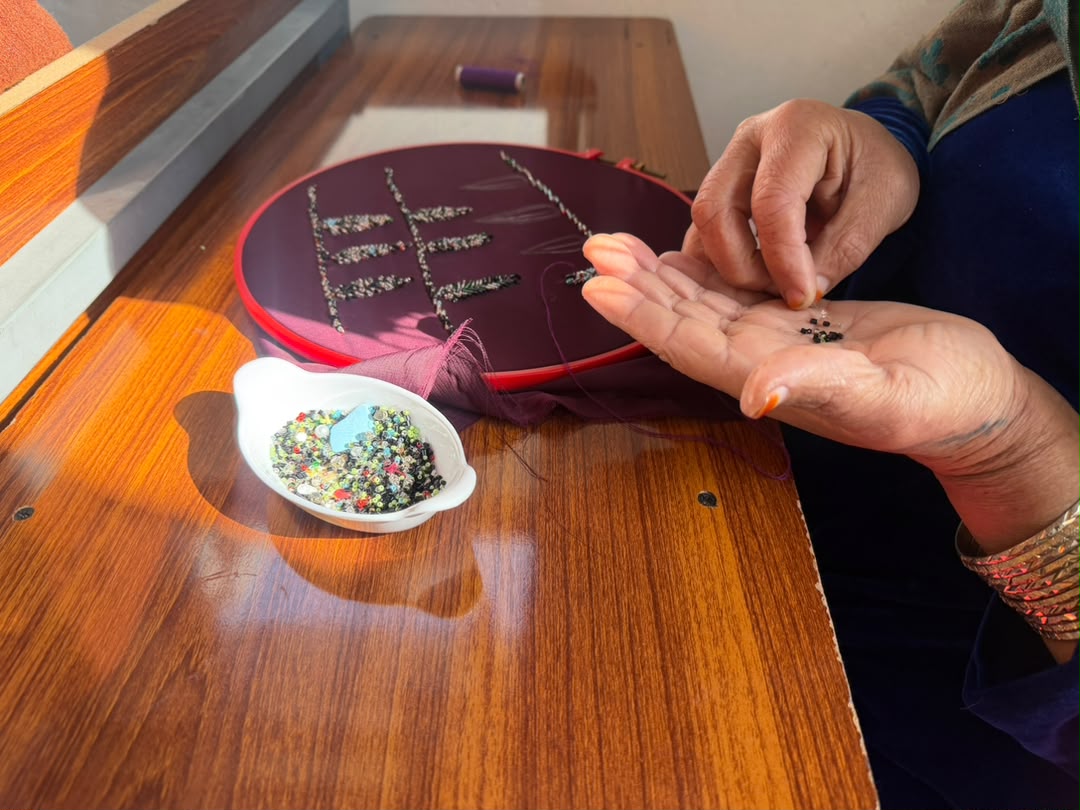
“I received treatment at another hospital. I heard about this center and its vocational training programs from my friends. I stopped using drugs three months ago. I have now completed my three-month course, but I extended my training for three more months so that I could improve my beadwork skills,” she adds.
Zainab, another 25-year-old who also completed treatment after using drugs for one year. She is now learning to make jam and pickles and hopes to use her new skills to earn an income after completing the course.
“I used drugs for one year, but after receiving treatment, the hospital referred me to this center. I am now learning to make jam and pickles. In the future, I want to work in cooking and use the skills I have learned here,” she says.
Vocational training; a step toward rebuilding self-confidence
At this center, training goes beyond teaching vocational skills. Instructors say that many women referred to the center after completing addiction treatment initially have little motivation to learn and attend classes feeling hopeless. However, as they participate in the training and acquire new skills, their motivation and self-confidence gradually improve.
Noor Afza Ali, one of the instructors at the vocational training center in Kabul, says women are referred to the center after completing their addiction treatment. They are then trained in different fields according to their interests and abilities.
She says that training courses usually last between 90 and 180 days, depending on each woman’s interests and ability to learn.
“When these women come here after completing treatment, we teach them a profession. The training courses last between 90 and 180 days, depending on their interests and abilities, sometimes less or longer. At first, many have little motivation and have lost hope in life, so we try to encourage them. We recommend increasing the number of classes and offering more vocational training courses,” she adds.
Tanya Aimaq, director of the Wadan Office’s vocational training center in Kabul, says 38 women are currently receiving training in four different fields at the center. According to her, some of these women have lived with drug addiction for 17 to 18 years.
She says that women who complete addiction treatment are referred to the center by the treatment centers involved in the program. After an assessment, they receive training in different vocational fields.
“Our vocational training courses last three months, and students are assessed every month. Those who acquire the required skills graduate, while those who need more time have their training extended for another two or three months. However, the jam and pickle-making course lasts 45 days,” she adds.
Support from training to market access
The program is funded by the European Union and implemented by the Wadan Office. Over the past three years, a total of 2,367 women and men have received vocational training at six centers in Kabul and other provinces.
According to program officials, participants receive $50 per month during their three-month training courses to cover transportation and refreshment costs. After completing their training, certificates and work equipment kits are also distributed to them.
Graduates also receive support in accessing the labor market so they can sell their products, receive orders, and earn an income using the skills they have learned.
For women who have spent years living with drug addiction, deprivation, and family problems, these training programs offer an opportunity to start over. It is an opportunity that begins with learning a practical skill, which can lead to financial independence, renewed self-confidence, and a return to social life.
Reporter: Khadija Kohistani