Tagab district of Kapisa, known for its pomegranate orchards, has seen a significant drop in yields in recent years because of water shortages. However, some growers are hopeful that this year’s snowfall could improve next year’s harvest.
Local farmers report that consecutive droughts and the high cost of irrigation have caused many pomegranate trees to become diseased, resulting in heavy losses before the fruit could ripen. Aimal, a grower in Tagab, said, “For several years, we did not have enough snowfall here. This caused trees to get sick and the pomegranates, especially the seedless ones, to be of poor quality. In years with enough snow and rain during winter, the harvests were much better.”
Abdul Halim, another orchardist, added that irrigation costs have been a major challenge for growers. Despite these difficulties, some farmers like Noshirwan remain optimistic.
“Snow and rain help get rid of pests and microbes on the trees for up to five years. They also prevent diseases like blight, which otherwise require spraying. In the past, when snowfall was enough, these problems didn’t happen. God willing, this year’s snow will have the same effect. Pomegranate trees also tend to give better yields after snowfall.” he explained.
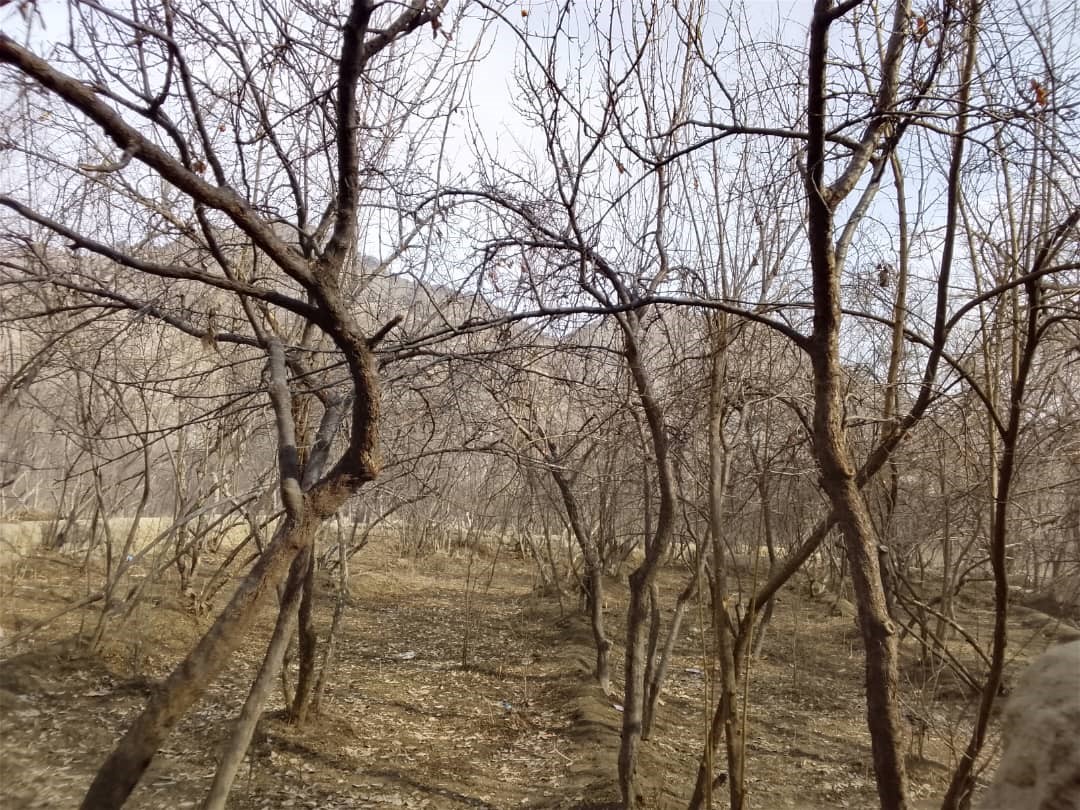
Horticulture experts say snowfall is also important for replenishing groundwater and improving growing conditions. Shirwali Safi, a horticulture expert, noted,
“Snow helps keep the soil around pomegranate roots moist and prevents them from drying out. It also reduces pests and diseases. With better soil moisture, roots can take in nutrients more efficiently, which strengthens the trees and extends their lifespan. After snowfall, orchardists should follow good water and soil management practices, including modern irrigation techniques, soil conservation, maintaining soil hygiene, and using water reserves.”
Officials from the Kapisa Directorate of Agriculture, Irrigation, and Livestock say the province has about 5,000 orchards capable of producing roughly 17,000 tons of yields. They noted that drought and water shortages in recent years had negatively affected yields, but recent snowfall has positively improved orchard conditions.
Mohammad Naeem Nomani, head of Kapisa Agriculture, stated, “There are approximately 5,000 orchards covering 116.38 hectares, producing nearly 16,745.7 tons of yields. Drought and water shortages in recent years have affected yields, but recent snowfall has improved orchard conditions. In Tagab district, our Directorate plans to educate farmers and orchardists on managing water and pests. We will also introduce drip irrigation systems and preventive and mechanical control methods, with support from our technical and professional staff.”
Experts and local officials emphasize that with effective water management and the implementation of support programs, next year could bring a more productive season for orchardists in Tagab district.
Reporter: Masouda Akbari