Although scholars of ‘Fiqh’ and Sharia say that, according to Hanafi jurisprudence, a sane and mature woman has full legal capacity and may work outside the home within the framework of Islamic law, several women told Salam Watandar that their families do not grant them this right.
Religious scholars explain that a woman’s wali (legal guardian) may guide and advise her. However, where Sharia has not imposed a restriction — such as employment, he cannot forbid her from working.
Musa Ayar, a scholar of Fiqh and Sharia, explains it clearly: “In Hanafi jurisprudence, a sane and mature woman has complete legal personality and financial independence. She has the right to work. Islamic Sharia gives everyone equal permission to earn a livelihood, whether inside the home or outside it. Of course, the religion of Islam permits work as long as what is Halal and Haram (what is permissible and impermissible) is properly observed. It discourages unnecessary mixing of men and women and emphasizes working in separate offices where possible.”
Qutbuddin Mujtahed, another religious scholar, adds: “According to Islamic jurists, including Allama Ibn Abidin, state that a woman may go out for her needs. If there is no risk of fitnah (social harm or temptation), Hanafi jurisprudence does not impose a general ban but sets clear guidelines: having proper hijab, modest dress, avoiding tabarruj (drawing attention), ensuring safety, avoiding seclusion with non-mahram men, and choosing lawful work. If she is married, her work should not lead to neglecting her husband’s rights, children, or household responsibilities.”
Jurists, referring to previous laws — including the Constitution and Hanafi jurisprudence, say that the principle of equality in access to employment has been clearly affirmed. They add that, under the Hanafi legal maxim “La darar wa la dirar” — no harm and no reciprocating harm— guardians are not permitted to unjustly prevent women from engaging in lawful work and earning a legitimate income.
Parwiz Khalili, a legal expert, says: “Under previous governments, the laws in force — including the Constitution — clearly affirmed the principle of equality among citizens. Women and men had equal rights to education, employment, and social participation. No form of discrimination was recognized, whether based on gender, age, language, or any other ground.”
Khwaja Mohammad Omar Ghorbandi, another legal expert, says, “The Hanafi legal maxim ‘La darar wa la dirar’ — no harm and no reciprocating harm — together with Islam’s clear prohibition of oppression, does not allow anyone to unjustly block another person’s lawful livelihood. Restrictions can only be justified if a woman’s work or movement results in real and proven harm — not mere suspicion, mistrust, or discriminatory customs.”
Despite these views, some women say their guardians still prevent them from working. They explain that they intended to work in women-only sectors and through lawful means to have income, but their families stopped them.
Nafisa Ahmadi, 27-year-old and from Panjshir, says her husband does not allow her to work. “I studied and worked hard for years so that I could build a career and use my education,” she says. “But after marriage, they told me work is not suitable for a woman. They say the environment is mixed and it’s better for me to stay at home.”
Seddiqa Sarwari, 26-year-old and from Parwan, believes the problem comes from cultural misunderstandings. “Because of traditions and incorrect social beliefs, many women lose this right,” she explains. “People say working in media or government offices is not appropriate for girls. They worry about mixed environments, their safety and reputation may be at risk, and that others may gossip. ”
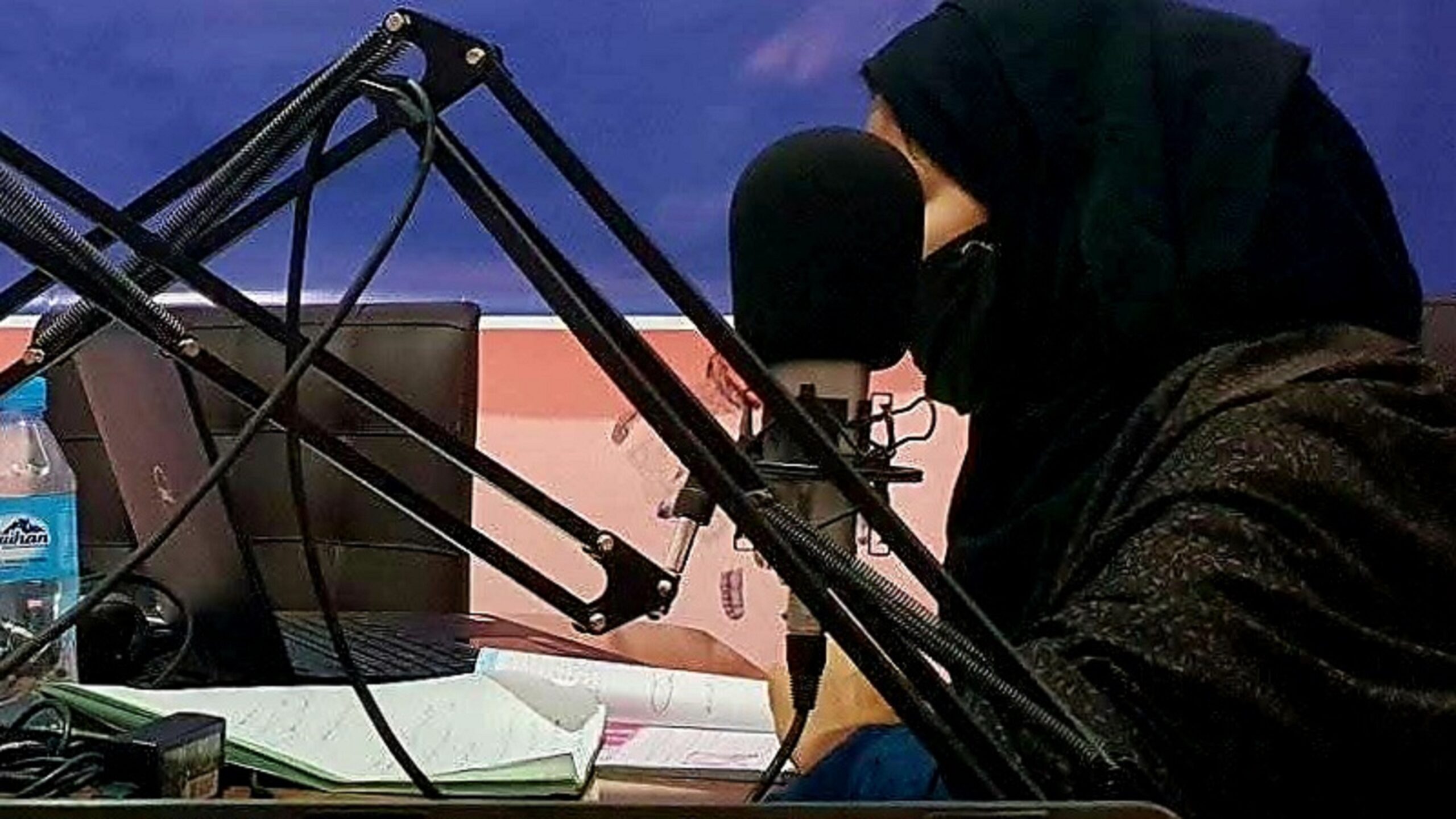
Mahsa Afzali from Kapisa, who has been married for two years and has one child, speaks about the emotional and economic impact. She says that staying confined at home affects her mental health and financial future. “A person cannot spend all her time inside the house,” she says. “At least for a few hours a day, she needs to be active and contribute. Work gives peace of mind and hope for a better future.”
Meanwhile, women’s rights activist Tahmina Mangal says families must be educated not to prevent women from working, and the government must ensure safe working conditions.
She explains, “The solution lies in raising awareness among families, creating safe and reliable workplaces for women, and providing them with legal and social support. The government should actively support women’s employment so that work is not viewed as a threat, but as an opportunity.”
Afghanistan has faced serious economic crises for decades. Yet in parts of society, a deeply rooted belief persists that women’s and girls’ employment is a source of shame — even though their participation can play a decisive role in improving their families’ livelihoods.
Reporter: Sharifa Qasemi