With the arrival of the cold season and the rising demand for fuel, forest cutting in Badghis has once again emerged as a serious concern. Residents and local officials warn that if the trend continues, it could harm the environment, weaken the local economy, and make everyday life even more challenging for ordinary people.
Officials at the Department of Agriculture, Irrigation, and Livestock of Badghis openly acknowledge the problem. “When the weather gets colder, people need more fuel,” they say. “Poverty, unemployment, and the lack of alternative energy sources push some families to cut down forests’ trees.”
Safiullah Mohammadi, General Director of Forests and Natural Resources of the Department of Agriculture, Irrigation, and Livestock of Badghis, speaks frankly about the issue. “As the weather turns cold, interest in cutting forests increases,” he explains. “Many citizens don’t have other options. Poverty and the shortage of fuel leave them with little choice.”
He strongly warns about the consequences, saying that deforestation is a direct threat to human health and to other living creatures, and that its negative impacts affect every segment of society.
He says. “If forests have been cut, clean air becomes a problem for everyone. Animals lose their lives, and plants are destroyed.” He adds that for life to continue, people must stop cutting forests.
Besides the authorities, many residents of Badghis are also concerned about the ongoing deforestation, particularly the destruction of natural pistachio forests. They say weak oversight and poor enforcement of laws have allowed the problem to continue.
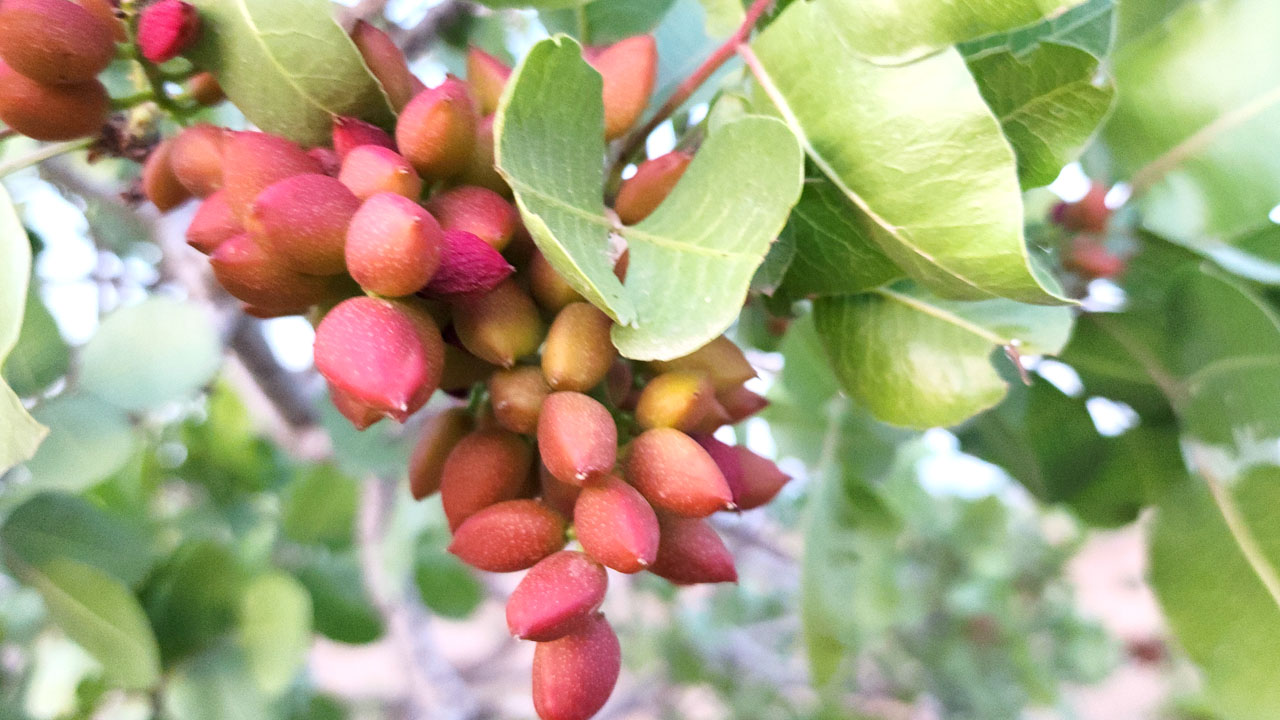
“We see in the ‘Pista liq’ of Badghis trees are being cut” says Abdul Khaliq, a local resident. “Every citizen must feel responsible. Even a single leaf is part of our shared wealth.” He adds, “The government should first raise awareness among the people. But if the violations continue, there must be legal punishment.”
Another resident, Abdul Salam, speaks even more directly. “Cutting forests for fuel has a heavy cost for people,” he says. “Those who do this should be reported to the authorities. They must be punished so that others learn a lesson.”
Environmental experts warn that continued deforestation will lead to irreversible consequences. They explain that forests play a vital role in maintaining ecological balance, preventing natural disasters, and sustaining human life.
Mirwais Pohmal, an environmental expert, clearly states, “Deforestation increases flooding, pollutes the air, damages the land, and contributes to global warming.” He adds, “The main problem is weak law enforcement. When violators are not treated equally under the law, the problem continues. We need serious and coordinated actions.”
However, security officials in Badghis say that practical steps are being taken to prevent illegal logging, emphasizing that security forces will take legal actions against those who violate the law.
Sediqullah Seddiqi, spokesperson for the Badghis Security Command, says, “To protect natural forests, a special unit known as the ‘Green Unit’ has been established to prevent illegal deforestation. The unit works in coordination with the Department of Agriculture, and strict action is taken against violators. In the past month alone, 20 individuals have been arrested for illegally cutting forest trees and referred to judicial authorities.”
It is widely recognized that the natural pistachio forests in the ‘Ab Kamari’ and ‘Muqur’ districts of Badghis—regarded as the largest pistachio plantations in the country—are a valuable national asset. Their long-term protection is believed to depend on effective government policies, proper scientific and technical oversight by relevant institutions, and the active and responsible participation of all citizens.
Reporter: Ubaida Neekofar