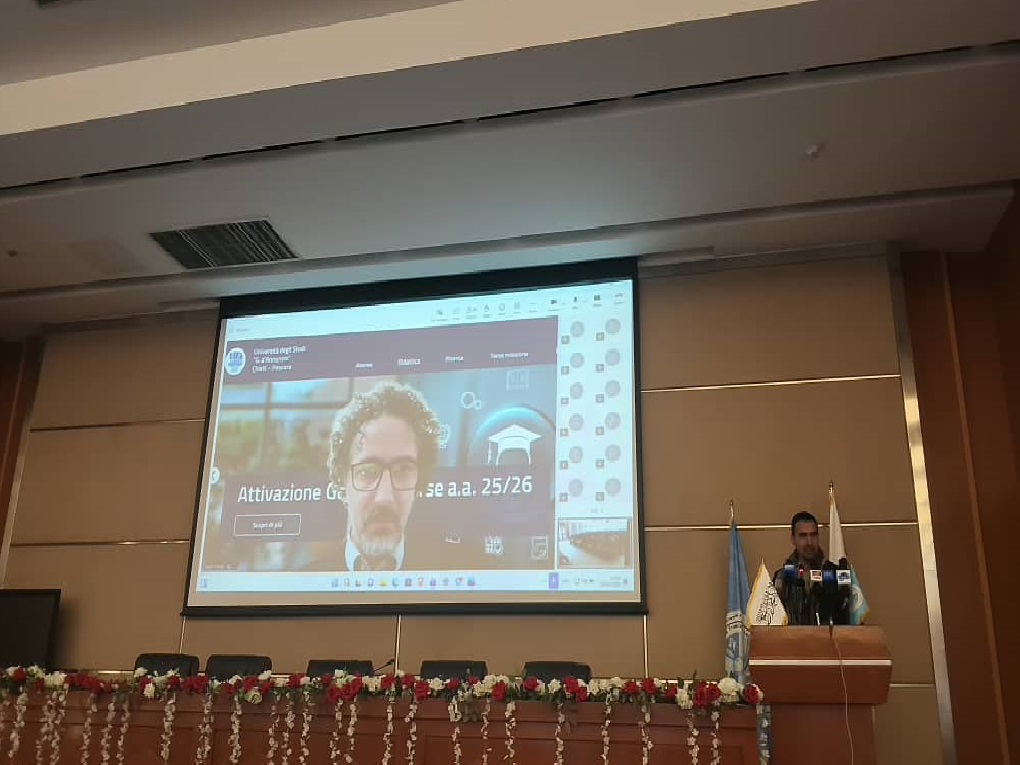
Conference on accessibility of STEM subjects aimed at strengthening cooperation with persons with visual impairments, was held on Wednesday (Feb. 25) by the Technical and Vocational Education Authority (TVET-A) in collaboration with the Norwegian Afghanistan Committee.
Abdul Wadud Omar, Director of Student Affairs at the Technical and Vocational Education Authority, said the conference was organized to improve the capacity of teachers and students involved in the department’s special education programs.
“We would like more conferences like this to be held for people with visual disabilities. In addition to improving staff capacity, we also need better facilities, equipment, and services,” he said.
Ghulam Sakhi Wahdat, Head of Special Education at the Technical and Vocational Education Authority, urged families to enroll their children with disabilities in the department’s special education centers.
“We are working to ensure that no child with disabilities in Afghanistan is deprived of education. We strongly encourage families to register their children at our special education centers,” he added.
Filippo Petroni, a professor at the University of Chieti–Pescara in Italy, who presented at the conference online, stated that persons with disabilities are often unable to showcase their talents due to limited access to modern facilities.
“Blind people are not incapable. Their disability does not prevent them from learning modern sciences; rather, it is the lack of appropriate facilities. Institutions should pay greater attention to this issue,” he said.
Meanwhile, several participants with disabilities emphasized the need for practical work opportunities in scientific fields.
Mohammad Fayaz, a student, said, “Science in Afghanistan is mostly taught theoretically, and little attention has been given to practical training. We want a stronger practical foundation in science education for people with disabilities.”
Francesca Recchia, Head of Advocacy and Communications at the Norwegian Afghanistan Committee, said that we need to work collectively on a radical cultural shift.
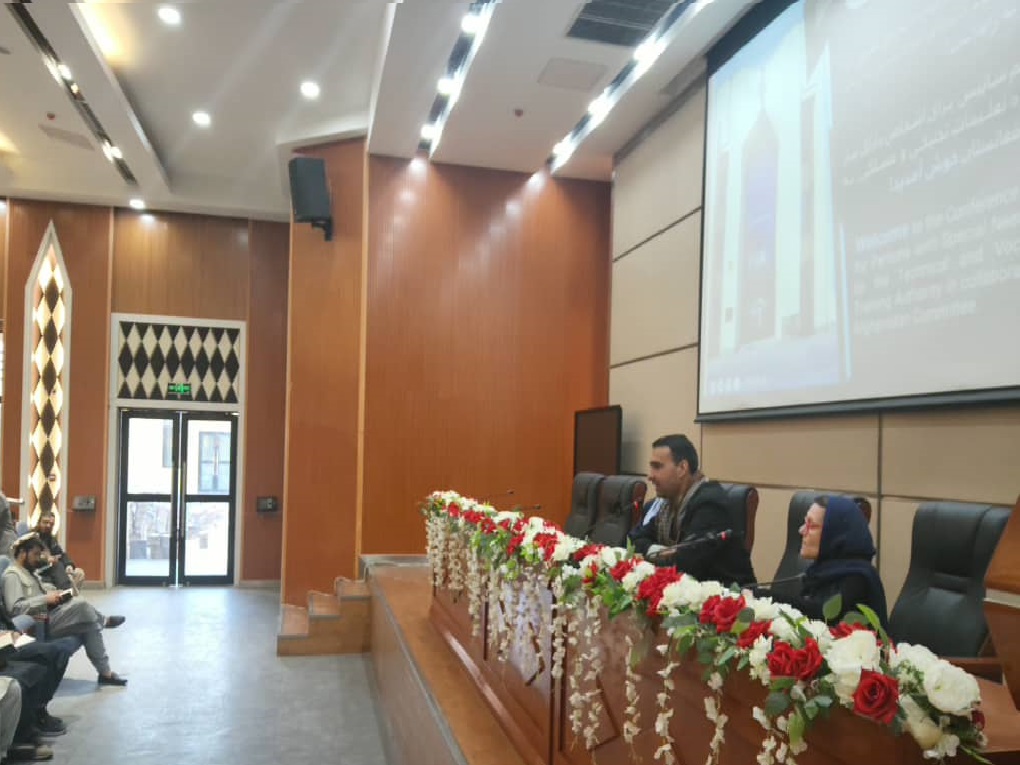
“We should focus on the abilities of persons with disabilities rather than their limitations,” she said.
Three months ago, UNAMA reported that nearly 1.5 million Afghan citizens are living with serious disabilities.