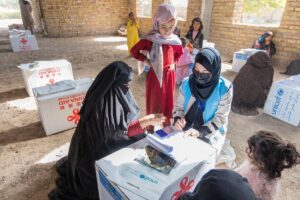
In recent years, the cargo sector—transporting goods by air, land, and postal services—has become one of the main ways for many young people in Afghanistan to earn a living. As stable employment opportunities remain limited and economic pressures continue to rise, many youths describe this business as an economic lifeline for themselves and their families.
However, findings by Salam Watandar, based on interviews with 26 young people (20 boys and six girls) across nine provinces, show that the sector faces serious structural, administrative, and external challenges. According to the respondents, these problems threaten the sustainability of their small businesses.
Among the 26 interviewees, 13 reported that they transport goods by air and land, 10 said they use air, land, and postal services, and three stated that they rely solely on land routes. They noted that they ship handicrafts, carpets, jewelry, dried fruits, documents, saffron, and gift packages to countries including Saudi Arabia, India, the United States, Germany, Sweden, Australia and some other countries. Despite the broad target market, the existing problems can be categorized into three main levels:
1. Structural and infrastructure challenges
Shortages of commercial flights, weak transportation systems, and transit restrictions are among the most serious problems. Rising transportation costs and the lack of standard infrastructure have reduced profits.
Mohammad Afzal Walizad, a shareholder who has worked for four years at a company in Kabul named ‘Cargo Movers Way,’ says clearly, “The biggest problems include transit restrictions, sudden changes in the laws of destination countries, attempts by some individuals to insert illegal goods into shipments, rising transportation costs, and customs-related challenges.”
2. Administrative and customs challenges
Many of the difficulties are linked to customs delays, complex paperwork, and tax changes.
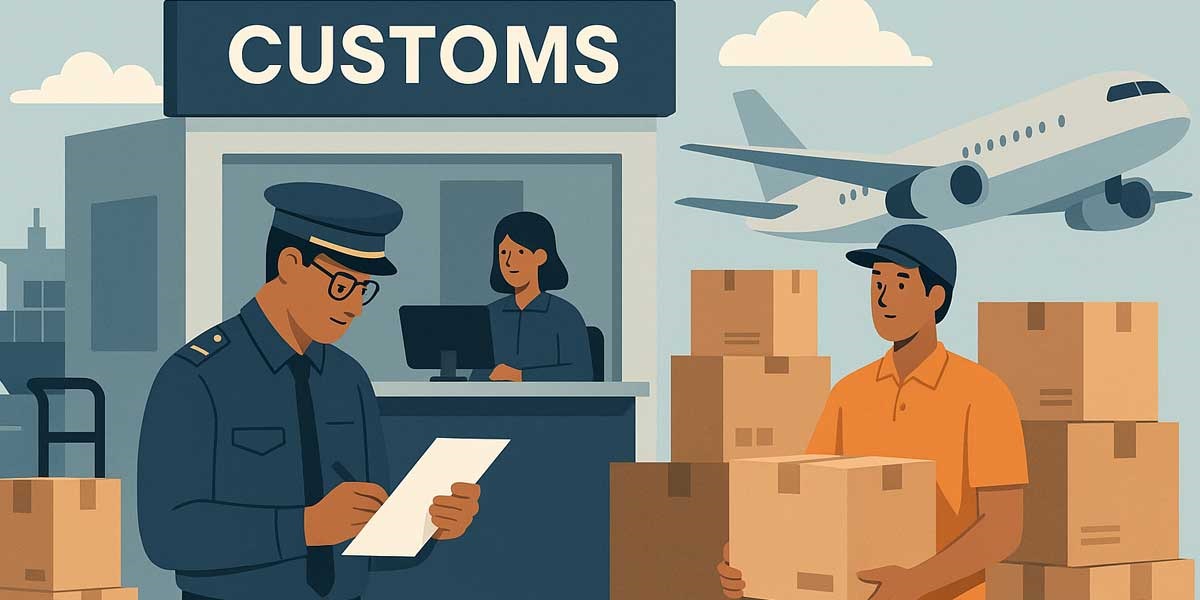
Shahidullah Amin, 26-year-old and from Kunar, who has worked in goods transportation for three years, says, “The biggest challenges include customs delays, high costs, documentation issues, and sometimes a shortage of transportation vehicles. Yes, tax changes and incorrect paperwork slowdown our work.” He notes that in some cases, losses have occurred due to bad weather or transportation problems.
Sayed Agha, 25-year-old also from Kunar, shares a similar experience. “Our biggest problems are customs delays and high costs,” he says. “Sometimes we face issues with vehicle documents. Bad weather and transport problems happen often, but we try to reduce the risks through insurance and precautionary measures.”
3. External challenges and regulatory instability
Another major concern is sudden regulatory changes in destination countries. Young entrepreneurs say that instability in rules and rising extra costs make long-term planning almost impossible for small companies.
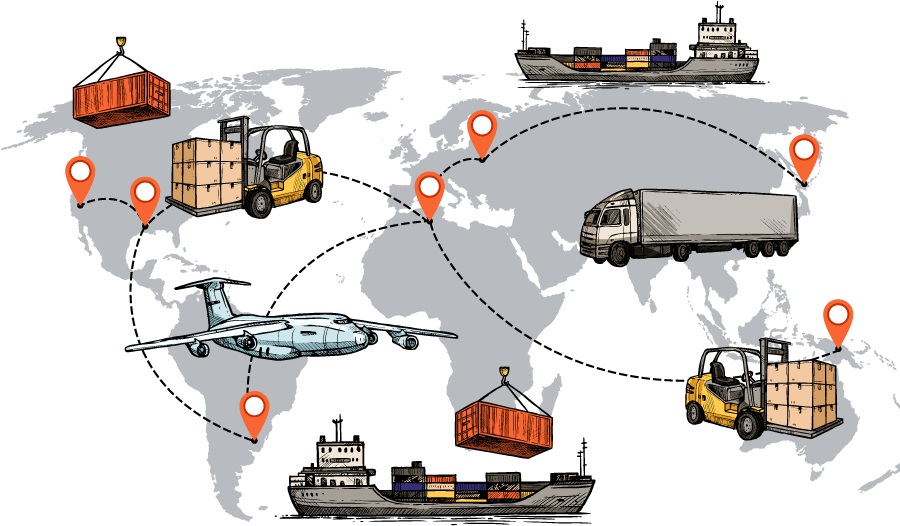
Aimal, 33-year-old, head of the international cargo company ‘Mohammad Shaheed Afghan’ in Khost, expresses his concerns: “Many cargo companies do not pay after the shipment arrives. We have a serious problem, especially in Dubai. Some companies take a deposit and then refuse to repay it.” According to him, such practices damage trust and create financial losses for Afghan businesses.
Youth’s motivations for entering the cargo sector
Despite the challenges, the lack of job opportunities, market demand, and the possibility of earning higher income are cited as the main factors driving young people into this field. Many of them view the cargo sector as an opportunity to support their families and achieve economic independence.
Shir Khan, 26-year-old, from Kunar, who has been in the business for five years, explains, “The main reason was to support my family and become economically independent. I saw good opportunities in goods transportation.” He says he mainly transports food items, clothing, construction materials, and electrical appliances because “these goods always have high demand.”
Similarly, Muhibullah, 32-year-old, a cargo company manager in Nangarhar, says, “There were no other jobs, and the profit was good, so we started this work. We send any kind of legal goods.” He adds that most of his customers are from France, London, and Switzerland, and shipments are carried out by air, land, and postal services.
Experts’ views and government response
Economic experts say that expanding cargo and facilitating exports can provide the basis for faster and cheaper shipping of Afghan products to foreign markets, and ultimately help connect the country to regional and global markets and better introduce domestic products.
Shaker Yaqubi, an expert on economic issues, stresses, “High transportation costs create serious challenges for youth-led businesses. A youth who starts with limited capital cannot survive when faced with high freight charges and sudden regulatory changes.”
He explains that regulatory instability creates deep uncertainty, adding, “No one knows what decision will be made tomorrow. This unpredictability discourages young entrepreneurs.”
Aqela Hashemi, another expert on economic issues, says new companies need financial and educational support. “They should benefit from tax reductions, small loans, and specialized training,” she says. “They must also understand not only Afghan regulations but the laws of the countries they trade with.”
Officials at the Ministry of Industry and Commerce of the Islamic Emirate told Salam Watandar that the ministry is working to create facilities for the cargo sector so that young people can export their goods to different countries through air, land, and railway routes.
Akhundzada Abdulsalam Jawad, spokesperson for the ministry, says, “We are making efforts to provide necessary facilities for cargo, especially by repairing roads and improving transportation. We want to strengthen relations with neighboring countries so that exports and imports can increase—particularly through railway lines and air cargo.” He adds that land cargo facilities are currently available as well.
Amid limited job opportunities and rising economic pressure, the cargo sector has become a key source of income for young people in Afghanistan. However, poor infrastructure, weak transport systems, limited commercial flights, customs problems, regulatory instability in destination countries, and a lack of financial support continue to pose serious challenges.
Reporter: Zarafshan Sharifi