MONITORING (SW) – Richer countries have pledged to give a record $300bn (£238bn) to the developing world to help them prepare for and prevent climate change.
The talks at the UN climate summit COP29 in Azerbaijan ran 33 hours late, and came within inches of collapse.
The head of the UN climate body, Simon Stiell, said it had “been a difficult journey, but we’ve delivered a deal.”
But the talks failed to build on an agreement passed last year calling for nations to “transition away from fossil fuels”.
Developing nations, as well as countries that are particularly vulnerable to climate change, dramatically walked out of the talks on Saturday afternoon, reported BBC.
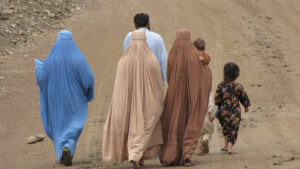
Afghanistan is among the top 5 worst affected countries in the world.
Since the Islamic Emirate has returned to power in 2021, international aid has disappeared in a context where the country has been suffering from drought for three years while the rest of Afghanistan has been suffering from flooding.
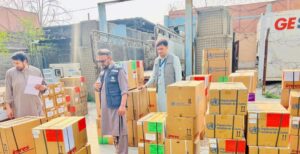
In recent days, several provinces in the northern part of the country, including Faryab, Jowzjan, Balkh, and Kunduz, have witnessed widespread flooding.
Mohammad Abdullah Jan Sayeq, spokesperson for the Ministry of State for Disaster Management, says, “There have been no casualties, but there have been significant financial losses. Nearly 590 houses have been completely destroyed, and 1,100 jeribs of agricultural land have been lost. 120 livestock have also perished.”
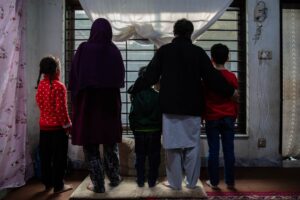
On Friday night, flooding in Baghlan also led to the destruction of 50 homes. Local residents say they are now in urgent need of assistance. Azizullah, a resident of the village “Kook-Chinar” in Baghlan, says: “The flood came; water entered several houses and caused destruction. No lives were lost, but mattresses, blankets, rice, and wheat have been washed away.”
Nasruddin, a farmer from the Qush-tepa district of Jowzjan, says that his farmland was destroyed due to the floods. “It rained as well; it ruined everything. There was no damage to people or houses, but the crops have been destroyed.”
Meanwhile, some environmental experts say that Afghanistan, as the most affected country by climate change, should benefit from global development assistance.
Shoaib Sadat, an environmental expert, emphasizes that climate-related issues should not be politicized.
“Unfortunately, given our current situation, we are in urgent need of financial and technical aid to address these issues, and more work is needed in the present circumstances. Global attention is required so that Afghanistan is not forgotten. We should not politicize environmental issues so that we can resist the severe impacts of climate change,” he said.
According to United Nations statistics, over 160,000 Afghan citizens have been affected by floods this year, and thousands of residential homes have been destroyed.