
Category: SWN ENGLISH

Migration and the experiences of Afghan women living abroad

Salam Watandar’s interviews with 44 married Afghan women living in Canada, Germany, France, England, Australia, the United States, and Russia show that while some women experience restrictions on their personal freedoms, social relationships, and educational and employment opportunities after migration, others report no change in their freedoms or opportunities and continue to receive support from their husbands and families. Thus, the experiences of married Afghan women after migration are not the same.

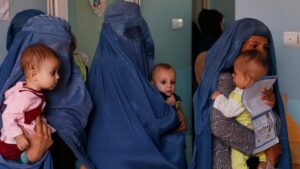
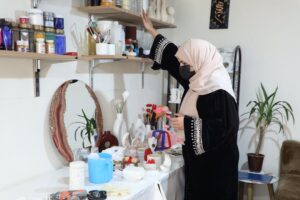
The story of women striving to meet part of their family’s needs

“The income from selling vegetables has helped cover some of our household expenses. Some organizations have also provided us with agricultural training, seeds, and fertilizer. Our biggest problems are water shortages, the lack of appropriate markets for our produce, and the high cost of seeds and fertilizer,” she says.

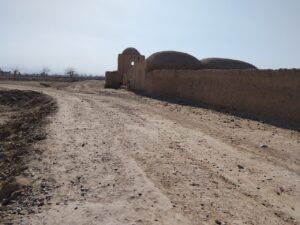
Farmers in Baghlan forced to rebuild their lives after every flood

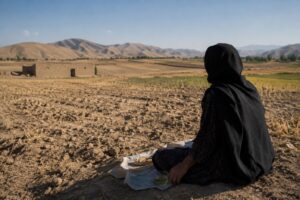
Baghlan, one of Afghanistan’s leading agricultural provinces, is known for its fertile farmland and the heavy reliance of much of its population on agriculture and livestock farming. In recent years, however, climate change, irregular seasonal rainfall, and flash floods have caused severe and often irreparable losses for thousands of farmers across the province.

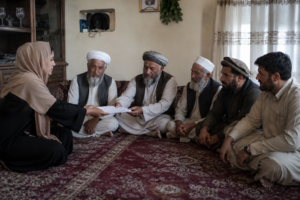
Changing attitudes toward marriage; girls strive for financial independence

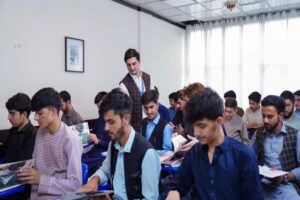
“I want to continue my education, succeed, and achieve my goals. I am happy and satisfied with the decision I have made.” These are the words of Shafiqa, a 30-year-old resident of Kabul. A journalism graduate, she says she wants to achieve her academic and professional goals before getting married. Shafiqa is not alone in making this choice. Findings from Salam Watandar’s interviews with a number of women show that continuing their education, pursuing careers, and attaining personal independence have become their top priorities.

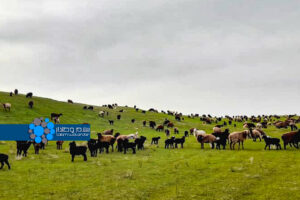
Row planting helps farmers cope with drought in Uruzgan

The importance of improved seeds and row planting for farmers in Uruzgan is not limited to higher production; it also helps them cope with climate change. In recent years, drought, declining rainfall, and water shortages have directly affected wheat yields, leaving many farmers facing economic hardship.