KABUL (SW) – The Save the Children organization has reported that the climate crisis in Afghanistan has worsened the humanitarian situation in the country.
In a statement, the organization revealed that more than 38,000 Afghan citizens, half of whom are children, have been displaced due to severe climate changes since the beginning of 2024.
According to Save the Children, the number of internally displaced persons (IDPs) due to climate-related disasters has increased this year compared to previous years.
The statement highlighted that the climate crisis in Afghanistan has destroyed water sources and disrupted the education of children.
At the same time, flood victims in several provinces have reported being displaced after their homes were destroyed by flooding.
Feraidun, a 12-year-old student from Ghor province, shared that after the floods, he became displaced and was unable to attend school. “The flood came and destroyed our home and school. We came here as refugees, and we couldn’t go to school. We live in a tent, and our situation is bad. We have no food or water,” he said.
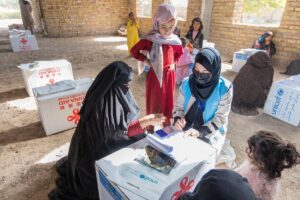
Shamsuddin, another resident of Ghor whose home was destroyed by the floods, now lives in a refugee camp with his family of seven. He said they are in dire need of shelter, food, and other basic necessities. He said: “The tents provided to us are destroyed by the wind every day. My children are homeless here, and they are not going to school. There used to be a school there, but now they can’t go. Winter is coming, and we are very worried. We have no food or water.”
This year, various provinces in Afghanistan have experienced severe flooding, with the deadliest and most destructive floods occurring in Baghlan, causing high human casualties and widespread displacement.
The World Food Programme (WFP) in Afghanistan also announced that 160,000 Afghan citizens had been affected by floods this year, with thousands of homes also destroyed.
Ismail, a resident of Baghlan who lost his home to the floods, expressed concern about the situation of his children in the coming winter, noting that his family still lacks access to educational and health services. He said: “The situation is dire. It’s cold, and we are sitting in the rain. We have no fuel. The school is far away. One of my older sons, who is in sixth grade, might be able to attend school, but the rest of my children cannot.”
Saber, another resident of Baghlan, who heads a family of eight, said: “We have no food or fuel. Two of my children are very young, and the other four teenagers have dropped out of school.”
Afghanistan is the sixth most vulnerable country to climate change, and according to data from the National Environmental Protection Agency, the country needs $22 billion to respond to and mitigate the negative impacts of climate change.