KABUL (SW) – The National and International Exhibition, known as “Industry Week”, has opened in Kabul. The event is organized by the Ministry of Industry and Commerce, the Afghanistan Chamber of Industries and Mines, and the Afghan International Exhibition Center.
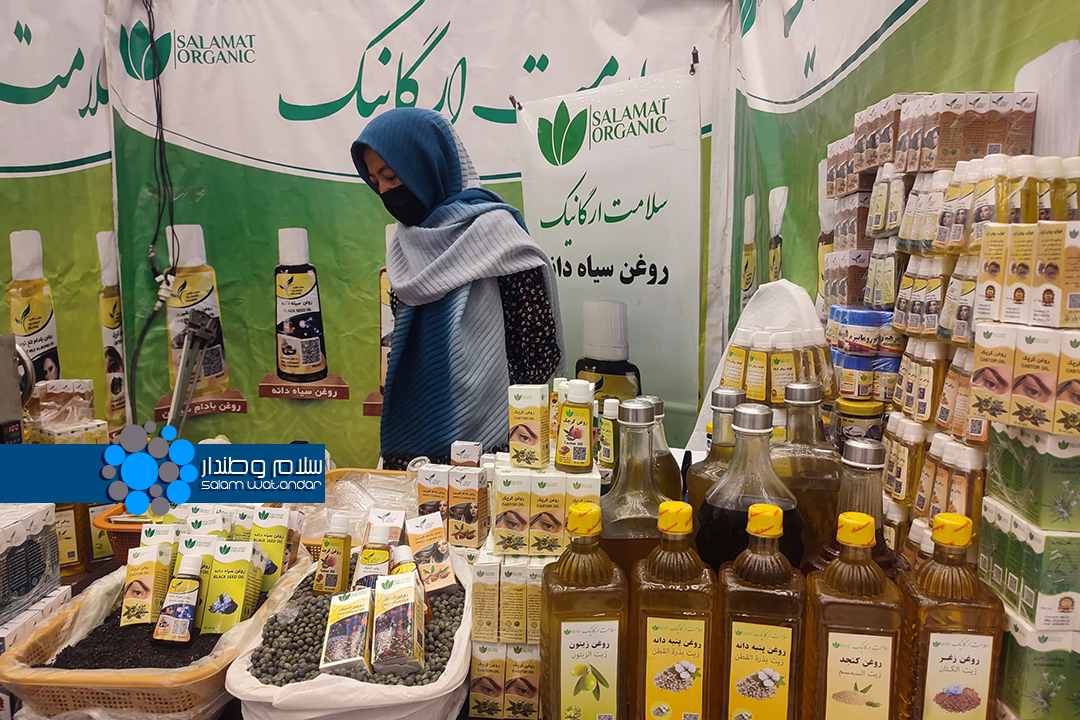
This exhibition aims to bolster domestic production over its six-day duration, as well as, with a particular benefit on empowering female entrepreneurs.
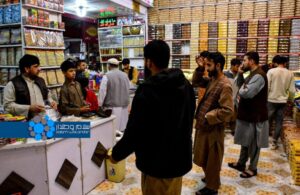
Deputy Minister of Commerce and Industry, Qudratullah Jamal, highlighted the significance of the exhibition in promoting the sale and marketing of domestic products, including “carpets, marble, dairy products, beverages, repair materials, technical equipment, hygiene supplies, tools, and other domestic products are being showcased. Additionally, some Iranian companies have also displayed their machinery and products.”
Abdul Salam Hanafi, administrative deputy of the Islamic Emirate’s prime minister’s office, emphasized the importance of comprehensive support for artisans and entrepreneurs, in driving Afghanistan towards becoming a regional economic and industrial powerhouse.
He said: “Strengthening the industry for employment generation and domestic production is of paramount importance. Access to new scientific technologies and skilled labour sources is crucial for industrial growth, and fortunately, Afghanistan possesses essential factors for production and can become a major industrial center in the region.”
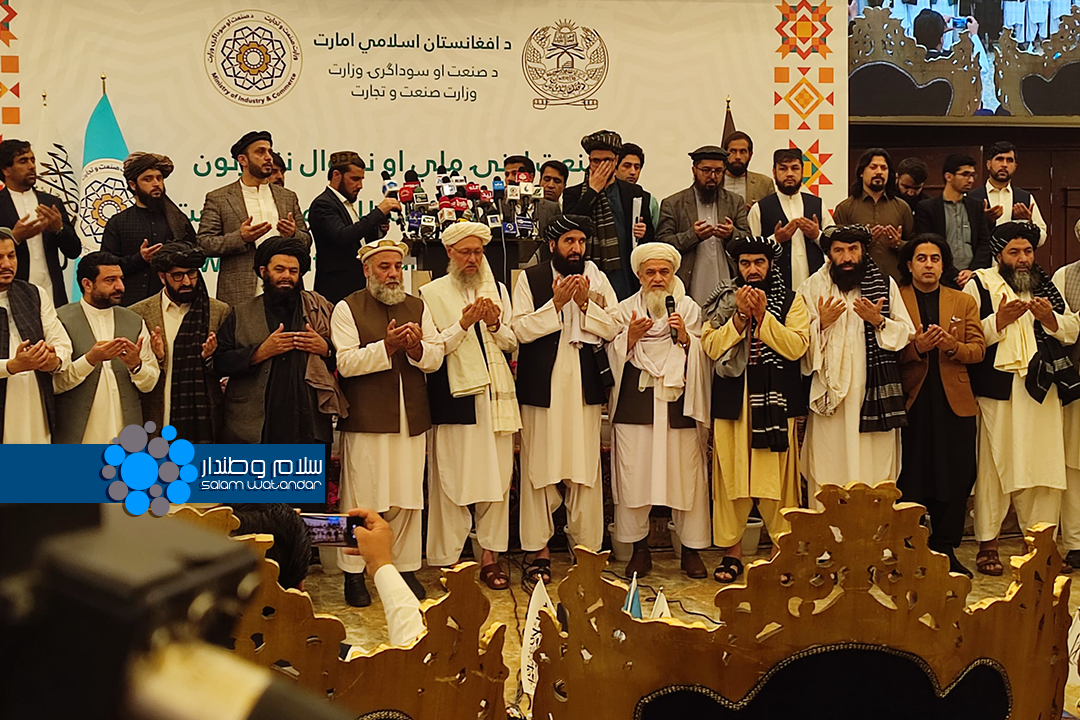
In a move towards inclusivity, at the national and international industry week exhibition, domestic and foreign products are showcased in 500 booths. Among them, 200 booths are allocated to women and 15 booths to Iranian merchants.
Sherbaz Kaminzada, head of the Afghanistan Chamber of Industries and Mines, emphasized the need for land allocation to manufacturing factories. He urged the Islamic Emirate to create opportunities for artisans to attract investments and foster growth.
“In the past, we had 4,000 to 5,000 factories; now, we have 6,000 factories and we have reached self-sufficiency in 68 sectors,” Kaminzada added.
Some booth owners showcasing their products at the exhibition expressed that the lack of a market for their products has posed challenges for them, and holding such exhibitions could increase their sales.
Fawzia, one of the booth owners, said, “We employed 12 women in food production, but 20 women work with us in handicrafts. We have no sales, but in the exhibitions are better. High taxes and shortages of raw materials have made our work difficult.”
Another booth owner, Qurban Ali, also said, “The exhibition is beneficial for us; we find buyers, but our work has decreased by half. Our problem is the lack of raw materials, cardboard, and a market.”
Officials from the Ministry of Commerce and Industry also stated that previously, through the organization of national and international exhibitions, dozens of contracts worth millions of dollars were signed between domestic and foreign traders.