KABUL (SW) – The United Nations Development Program (UNDP) has said that Afghanistan’s electricity sector faces major challenges such as limited access to energy, especially in rural areas.
These challenges have negative impacts on the provision of essential services such as health facilities, education, humanitarian assistance, development, and economic recovery, according to UNDP.
UNDP highlighted that Afghanistan exhibits a high reliance on imported electricity, with 75% of its electricity being sourced from other countries and the imported electricity only covers 40% of the demand.
On Monday, UNDP shared a report on social media platform X, saying, “this situation remains unresolved, leaving patients and students with limited access to energy. Provincial hospitals connected to the grid also have regular shutdowns of 5 to 6 hours each day, with some days lasting up to 12 hours especially in winter seasons, necessitating the usage of costly and ecologically harmful big generators.”
According to UNDP, solarization initiative is a crucial step towards addressing Afghanistan’s energy challenges.
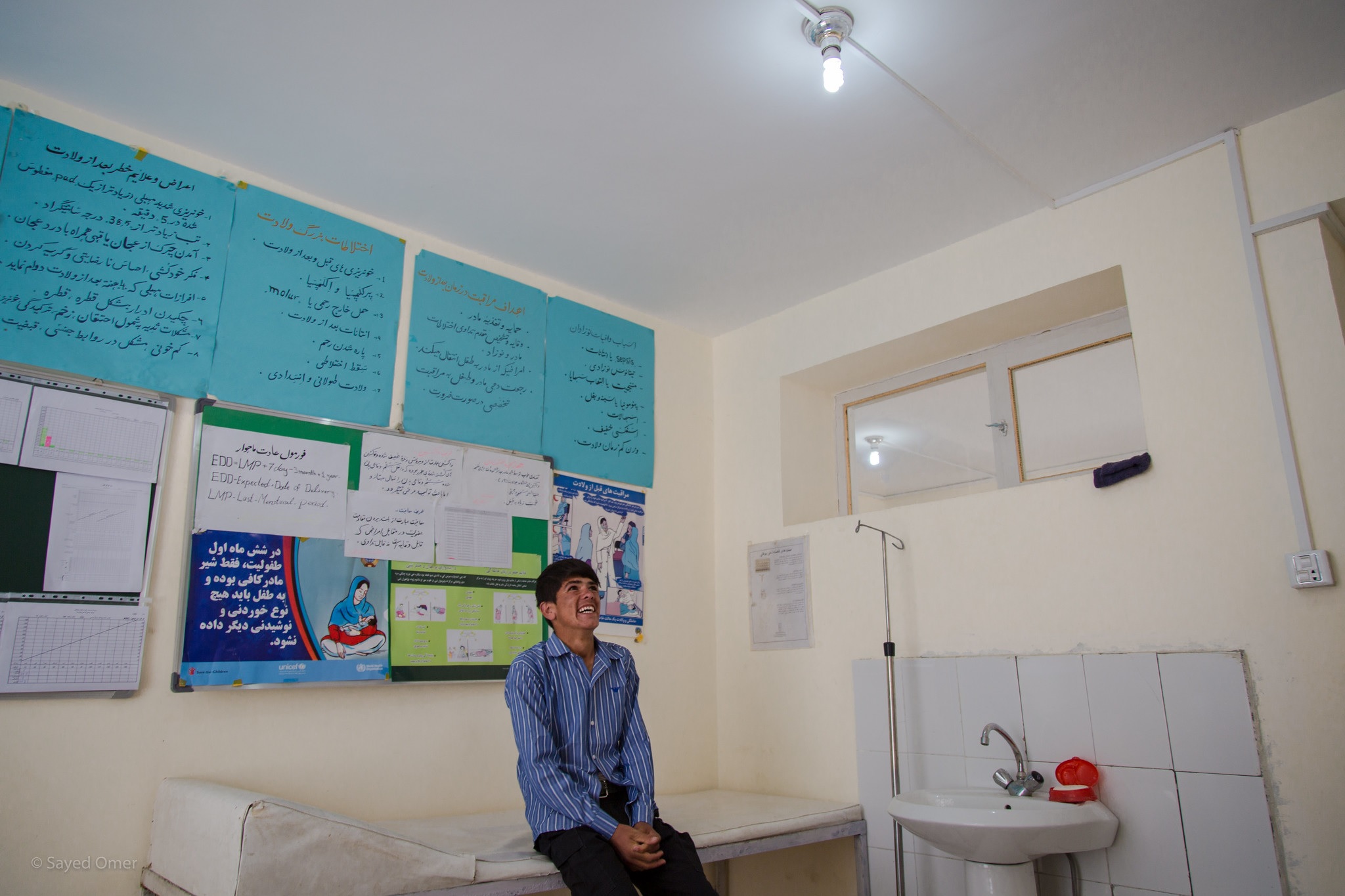
Meanwhile, officials from some governmental hospitals and clinics say that the lack of electricity in health centers threatens the lives of patients.
Ajmal, the manager of Maiwand Hospital in Maiwandi district of Kandahar, says: “We have many problems due to the lack of electricity. Most patients suffer from MMD or need x-rays, but because there is no electricity, when they reach the center, they die. Prior to this, the electricity was provided by an institution, but now it does not either.”
Officials of a number of educational institutions also say that the quality of education decreases due to the lack of electricity.
Mohammad, Head of an educational center in Daikundi, says, “There are many problems without electricity in Daikundi, especially English and computer classes, which are highly dependent on electricity, it has a negative effect on lessons. There is no electricity even for 4 days. We have 2 to 3 hours of electricity per day.”
However, Hekmatullah Maywandi, the spokesperson for the Da Afghanistan Breshna Sherkat (DABS), said, “20% of electricity production is domestic and 80% is imported electricity. Only this year the domestic production was slightly reduced, because of drought, and there was no water in the dams. We are looking for a positive change in the electricity situation.”
He stresses that to address the electricity shortage in Afghanistan, external institutions should resume their partially completed projects in collaboration with DABS.
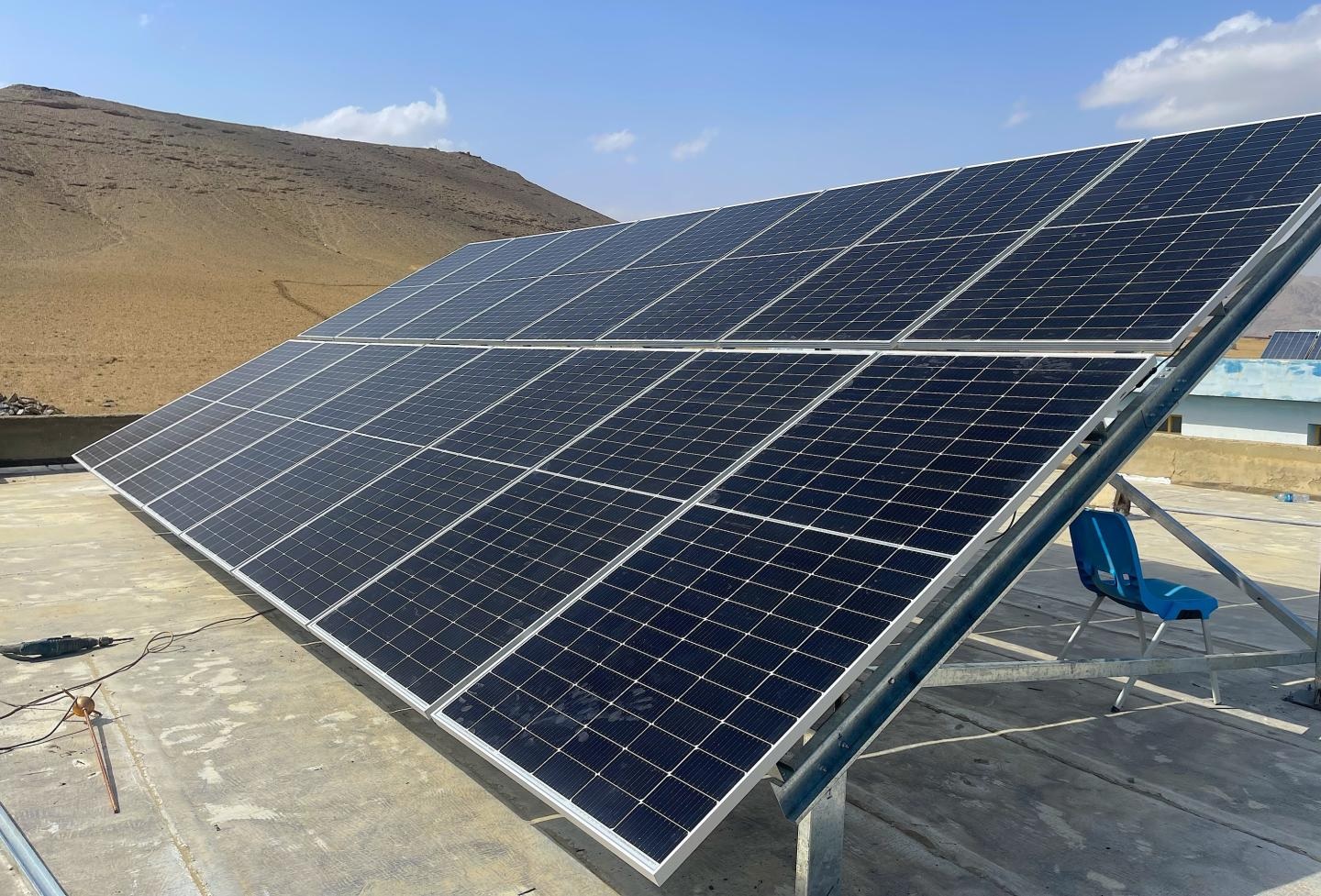
UNDP said that it has launched solarization initiatives aiming to tackle Afghanistan’s energy challenges through the implementation of solar power.
“So far, the initiative has provided clean and reliable electricity to over (172,000) people in the Central region. By harnessing solar energy, the initiative improves access to reliable and sustainable electricity, positively impacting communities, and the environment.”
As UNDP reported, Continued support and investment in sustainable energy solutions are essential for driving positive change and illuminating Afghanistan’s future.