KABUL (SW) – A broken health care system, widespread poverty, and increased restrictions placed on women are fueling the current humanitarian crisis in Afghanistan, said Doctors Without Borders/Médecins Sans Frontières (MSF) in a fresh report.
These findings are outlined in a new report by the international medical humanitarian organization that makes several recommendations to policymakers, international actors, donors, and local authorities to improve access to health care. They must strengthen primary health care, address the issues contributing to the economic crisis, and ensure access to education and employment for women, said MSF.
While surveying caregivers and patients at its facilities for its report—titled Persistent barriers to access health care in Afghanistan: The ripple effects of a protracted crisis and a staggering economic situation—MSF found that 95 percent of respondents said they faced difficulties affording food in the past 12 months. Most attributed this to unemployment or stagnant salaries against the backdrop of a significantly increased cost of living, especially the cost of basic food items. At the same time, sanctions imposed by the international community have crippled the economy, while $7 billion of the Afghan Central Bank’s assets remain frozen abroad and inaccessible to people in need.
In addition to access to food, the economic crisis has also severely impacted when people seek medical care; eighty-eight percent of people MSF surveyed for its report said that they either delayed, suspended, or decided not to seek medical care in 2022—more than in 2021.
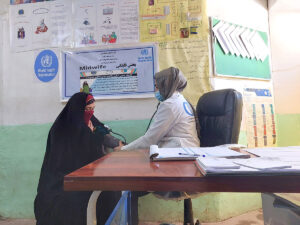
“One of the main problems in Afghanistan is that peripheral health facilities aren’t well-equipped, adequately resourced, or properly staffed,” said Filipe Ribeiro, MSF’s country representative in Afghanistan. “This means people in rural areas need to travel vast distances for quality treatment, even though they often cannot afford such journeys without plunging themselves into debt. Hopes that the end of the war would significantly reduce obstacles to accessing health care were dashed by new barriers and fears. The journey to hospitals may be less dangerous after the war, but it certainly became more difficult to afford.”
ENDS