Category: Investigative reports

Unemployment; women under psychological pressure and economic dependence on men

Salam Watandar’s interviews with 20 women who had independent incomes before becoming unemployed show that, besides covering their personal needs, they also contributed to their families’ expenses. They say unemployment has now pushed all of them toward a shared fate: dependence — a situation the interviewed women describe as difficult and worrying.

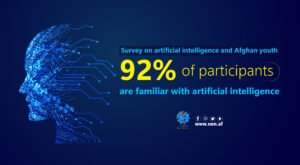
Survey on artificial intelligence and Afghan youth

The survey on Artificial Intelligence and Afghan youth was conducted with 1,154 respondents across 32 provinces of Afghanistan. The findings indicate that artificial intelligence has become more deeply embedded in the daily lives of Afghan youth than expected.

Youth and AI; a favored technology with dual consequences

Today, artificial intelligence (AI) is no longer merely a scientific concept; it has become part of the daily lives of youth. From education and work to personal advice, this technology is gradually finding its place among Afghan youth as well. A survey by Salam Watandar, based on 1,154 young respondents (50.6% men and 49.4% women) across 32 provinces of Afghanistan, shows that 84.1% of youth have used artificial intelligence at least once in areas such as work, education, and personal life, while 92% of respondents are familiar with AI.

Taking advantage of opportunities; a key to a better future for youth

Increased self-confidence, skill development, improved educational status, financial independence, and access to better career opportunities are among the achievements that youth say they have gained by making use of available opportunities. These accomplishments demonstrate that opportunities can fundamentally transform the lives of youth and open new paths toward progress and success.

Practical skills; a key factor in job market success

Findings by Salam Watandar from interviews with 30 youth—20 girls and 10 boys—show that having practical skills, in addition to academic qualifications, plays an important role in job selection. Youth who have learned practical skills such as computer use and English are more likely to be employed in related fields. In contrast, youth who lack practical skills are mostly engaged in jobs unrelated to their field of study.

Between opportunity and concern; women’s experience with AI in Afghanistan

Findings from Salam Watandar’s interviews with 20 women in Afghanistan show that AI is mostly used by women in areas such as education—especially language learning—editing writing, content creation, accessing health information, and generating business ideas. However, alongside these opportunities, deep concerns about privacy, data security, and the accuracy of responses have made their experience with AI complex and ambivalent.